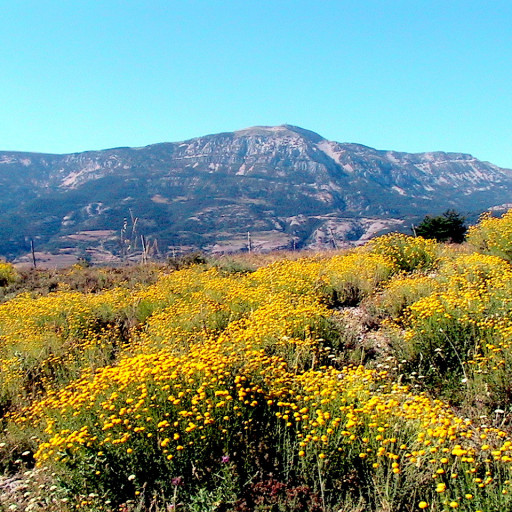
Plant Overview
Known as "Cotton Lavender" or the "Holy Herb," this Mediterranean gem creates a shimmering silver carpet in dry, sunny spots. Despite the name, it isn't a true lavender, but it shares that same sun-loving, aromatic spirit and drought-resistant nature. Its unique, coral-like foliage makes it a standout choice for sensory gardens and "moonlight landscapes" where its leaves glow under the stars.
🔍 How to Identify
- 🌿 Foliage: Densely packed, tiny, scale-like leaves that are silver-grey and feel like soft felt or wool to the touch.
- 🌼 Flowers: In mid-summer, it produces distinct, bright yellow "button" flowers on long stems that look like miniature pom-poms without any surrounding petals.
- 👃 Scent: When bruised or brushed against, the leaves release a strong, pungent, herbal aroma that is a mix of chamomile, pine, and musk.
🏡 In Your Garden
- 🏜️ The Leaner, The Better: This plant thrives on "neglect" regarding soil quality. It actually prefers poor, sandy, or gravelly soil; overly rich soil or too much fertilizer makes the plant grow too fast, causing it to "flop" open and lose its neat shape.
- ✂️ The Haircut Rule: Santolina has a tendency to become woody and messy in the center as it ages. To keep it looking like a tight silver mound, give it a firm pruning after the yellow flowers fade to encourage fresh, dense growth.
⚠️ Safety & Toxicity
- 🐾 Pet Safety: It is generally considered non-toxic to dogs and cats, though the concentrated essential oils can cause minor stomach upset if ingested in large quantities.
- 🧤 Skin Sensitivity: Sensitive individuals may experience mild skin irritation (contact dermatitis) from the oils in the leaves. It is wise to wear gloves if you are doing a heavy afternoon of pruning.
✨ Fun Fact
In the Renaissance era, Santolina was a staple in "knot gardens"—intricate, geometric hedge designs—because it can be clipped into precise, tiny hedges that look like silver ribbons woven through the landscape.

Detailed Care Instructions
| Soil Ph | Slightly Alkaline Soil |
| Humidity | Dry |
| Lighting | Full Sun |
| Toxicity | Non-Toxic |
| Difficulty | Medium |
| Hibernation | Cold Period |
| Hardiness Zones | 6-9 |
To grow Santolina Chamaecyparissus (commonly known as cotton lavender), you can follow these steps:
- Location: Select a sunny spot in your garden for planting as Santolina requires full sun for healthy growth.
- Soil: Choose well-draining soil with a pH of 6.5 to 7.5. Amend the soil with organic matter to improve drainage if necessary.
- Planting: Dig a hole slightly larger than the plant's root ball and place the Santolina plant into the hole. Backfill with soil and press gently around the base of the plant to remove any air pockets.
- Watering: Keep the soil moist but not waterlogged during the establishment period. Once established, Santolina is fairly drought-tolerant and does not require frequent watering. Allow the topsoil to dry between waterings.
- Fertilization: Santolina does not require heavy fertilization. A light application of balanced, slow-release fertilizer in spring should be sufficient. Avoid using high-nitrogen fertilizers as it may lead to excess vegetative growth and reduced flowering.
- Pruning: Regular pruning is essential to maintain a compact shape and encourage bushy growth. Prune the plants after they finish flowering by cutting back one-third of the plant's height.
- Division: Santolina Chamaecyparissus can become woody over time. To renew the plant, consider dividing it every few years. Dig up the clump, separate the roots, and replant the divided sections.
- Pests and Diseases: Santolina is generally resistant to most pests and diseases. However, keep an eye out for aphids, spider mites, or powdery mildew. Treat any issues promptly with appropriate organic insecticides or fungicides.
With proper care and attention, your Santolina Chamaecyparissus plant should grow and thrive, providing you with its beautiful silver-gray foliage, attractive yellow flowers, and a pleasant fragrance.

Place in a bright room that is sun drenched almost all day. Or directly in a south-facing window.

To water this plant, you should first assess the moisture level of the soil. Stick your finger about an inch into the soil to see if it is dry or moist. If it is dry, then you should water the plant thoroughly until water drains out the bottom of the pot or the soil feels moist to the touch.
It is important to note that this plant prefers well-draining soil, and overwatering can lead to root rot and other plant health issues. Therefore, it is recommended to allow the soil to dry out slightly between watering, rather than keeping it consistently moist.
Additionally, it is best to water this plant in the morning or early afternoon to allow the leaves and soil to dry before temperatures drop at night, which can increase the risk of fungal diseases.
Overall, it is important to avoid over-watering and to monitor the soil moisture level regularly to ensure the plant is receiving the appropriate amount of water for its needs.
To promote healthy growth of this type of plant, fertilize it using a balanced fertilizer once every two weeks during the spring and summer seasons. During the fall and winter, reduce the fertilization frequency to once a month. Be careful not to over-fertilize, as this can cause damage to the plant. Always follow the fertilizer manufacturer's instructions and avoid getting the fertilizer on the plant's leaves or stems, as this can also cause damage.
Santolina Chamaecyparissus plant requires well-draining, sandy or loamy soil with a pH between 6.5 and 7.5. It prefers soil that is rich in organic matter and has good moisture retention capacity. The plant can tolerate some drought, but it needs consistent watering during hot and dry weather. It also benefits from regular fertilization with a balanced fertilizer to promote healthy growth and flowering. Additionally, the plant prefers a sunny location with good air circulation to prevent fungal diseases. It is recommended to mulch the soil around the plant to help retain moisture and suppress weed growth.
To propagate this plant, take stem cuttings from the parent plant during the summer months. Choose a healthy stem that has not yet flowered and cut it approximately 4-6 inches long. Strip the leaves from the lower half of the stem. Dip the end of the stem in rooting hormone powder and then place it in a pot with a mixture of sand and compost. Water the cutting and place it in a location with bright but indirect sunlight. Keep the soil moist but not waterlogged and within a few weeks, roots should start to develop. Once the cutting has a well-established root system, it can be transplanted to a larger pot or directly into the ground.
Common pests of the grey santolina include Spider mites, whiteflies. Make a habit of checking your grey santolina frequently for pests so that any infestations can be caught and managed early.








