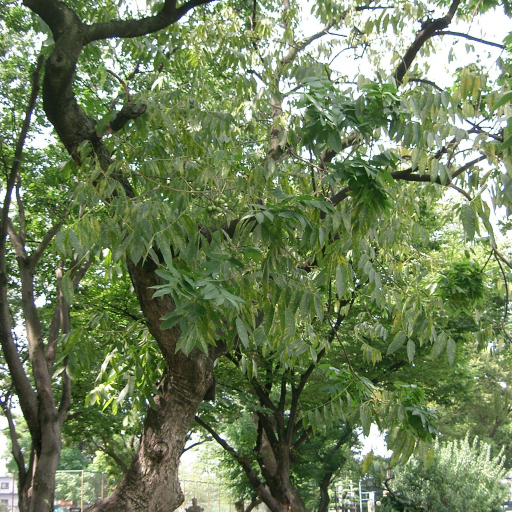
Plant Overview
Often called the "Nature's Laundromat" or the Indian Soapberry, Sapindus mukorossi is a magnificent deciduous tree hailing from the foothills of the Himalayas. For centuries, it has been a staple in sustainable living, providing a natural, chemical-free alternative to soap. Whether it's known as Reetha or Washnut, this tree is a testament to the earth’s ability to provide everything we need for a clean home.
🔍 How to Identify
- 🍃 Pinnate Foliage: The leaves are large and feathery, consisting of several pairs of narrow, pointed leaflets that give the tree a lush, tropical appearance.
- 🌼 Clustered Blooms: In late spring, the tree produces large terminal panicles of small, creamy-white or greenish flowers that are a favorite for local pollinators.
- 🍒 Golden Drupes: The most iconic feature is the fruit—small, round berries that turn from a soft yellowish-green to a translucent, wrinkly golden-brown when ripe, eventually drying into hard, black "nuts."
🏡 In Your Garden
- 🌳 Space & Longevity: This is a large-growing tree that can reach heights of 15 meters or more. It requires a permanent spot in the landscape where it has room to spread its canopy over several decades.
- 💧 Drainage is Key: While it is surprisingly hardy once established, it hates "wet feet." It thrives best in deep, well-draining soil and can even tolerate poor, rocky ground where other trees might struggle.
- ☀️ Sun Seeker: To produce a bountiful harvest of soapnuts, the tree needs full sun exposure. It is relatively drought-tolerant but appreciates deep watering during the hottest summer months to support fruit development.
⚠️ Safety & Toxicity
- 🧼 External Use Only: While the saponins (soap-like compounds) in the fruit are excellent for skin, hair, and laundry, the seeds and fruit should not be ingested.
- 🐾 Pet & Child Safety: Keep the dried soapnuts out of reach of curious pets and toddlers. If swallowed, the saponins can cause stomach upset, nausea, or vomiting.
- 👁️ Eye Irritant: Just like commercial soap, the liquid extracted from the shells will sting intensely if it gets into the eyes. Always rinse thoroughly with fresh water if contact occurs.
✨ Fun Fact
The natural saponins found in Sapindus mukorossi are so effective and gentle that they have been used historically to clean the delicate marble of the Taj Mahal without causing any chemical erosion or damage!

Detailed Care Instructions
To grow a Sapindus Mukorossi plant, also known as Soapnut or Reetha, you can follow these steps:
- Climate: Soapnut trees thrive in tropical and sub-tropical climates, so ensure you live in an appropriate region for growing them.
- Soil: Choose a well-drained soil with a pH range of 6-8. Sandy loam or loamy soil is ideal for their growth.
- Propagation: You can propagate Soapnut plants from seeds. Soak the seeds in water overnight before sowing to improve germination. Plant the seeds half an inch deep in pots or directly in the ground during spring.
- Sunlight: Soapnut trees prefer full sun exposure. Ensure the planting location receives at least 6-8 hours of direct sunlight daily.
- Watering: Water the plant regularly, especially during the initial stages of growth. Keep the soil consistently moist but not waterlogged. Once the plant is established, reduce watering frequency as Soapnut trees can tolerate drought.
- Fertilizer: Apply organic compost or well-rotted manure around the base of the plant once or twice a year to provide essential nutrients. Avoid using chemical fertilizers.
- Pruning: Prune the tree during late winter or early spring to promote bushier growth and remove dead or diseased branches.
- Pest and disease control: Soapnut trees are generally resistant to pests and diseases. However, occasional infestations of aphids or scale insects can occur. Inspect the tree regularly and manually remove any pests you find. If necessary, apply organic insecticidal soap or neem oil as a natural remedy.
- Harvesting: Soapnuts are ready for harvest when their outer shell turns brown and brittle. Generally, it takes around 9-10 years for the tree to bear fruits. Collect the soapnuts when they fall naturally from the tree or shake the branches to dislodge them.
With proper care and attention, your Sapindus Mukorossi plant should grow and produce soapnuts for you to use as a natural detergent and cleaner.

Place in a bright room that is sun drenched almost all day. Or directly in a south-facing window.

Firstly, it is important to note that watering requirements vary depending on factors such as the plant's size, the soil type, and the environmental conditions. As a general guide, it is best to keep the soil moist but not waterlogged.
To water the plant, start by checking the soil moisture level by inserting your finger into the soil up to the first knuckle. If the soil feels dry, it is time to water the plant.
Fill a watering can or bucket with water and slowly pour it onto the soil around the base of the plant, taking care not to wet the plant's leaves. Stop watering when the soil feels moist, but not waterlogged.
It is important to avoid over-watering as this can lead to root rot and other fungal diseases. If the soil is consistently wet, reduce watering frequency and ensure proper drainage.
In addition to regular watering, remember to fertilize the plant to ensure healthy growth and development.
- Choose a well-draining container or plant sapling Sapindus Mukorossi in a suitable location in your garden.
- Prepare a nutrient-rich potting soil mix by combining equal parts of compost, garden soil, and sand.
- Gently place the Sapindus Mukorossi plant in the container or dig a hole in the ground where you want to plant it.
- Water the plant thoroughly to ensure the soil is moist.
- Apply a balanced, slow-release fertilizer according to the package instructions. Avoid fertilizers high in nitrogen, as they can lead to excessive leaf growth and reduced fruit production.
- Spread the fertilizer evenly around the base of the plant, making sure to avoid direct contact with the stems or leaves.
- Water the plant again to ensure the fertilizer reaches the roots and is well-distributed in the soil.
- Monitor the plant's growth and adjust the fertilization schedule accordingly. Sapindus Mukorossi generally benefits from regular fertilization every 4-6 weeks during the growing season.
- During periods of active growth, consider supplementing with organic liquid fertilizers or foliar sprays to provide additional nutrients.
- Always follow the instructions on the fertilizer packaging, and remember that excessive fertilization can harm the plant, so it's better to under-fertilize than over-fertilize.
The recommended soil for Sapindus Mukorossi should be well-drained and have good aeration. It should be a mixture of organic matter, sand, and silt with a pH range between 6.0 to 7.5. The soil should be nutrient-rich, with a good balance of nitrogen, phosphorus, and potassium. It is important that the soil is not waterlogged as this can lead to root rot. The plant prefers slightly acidic to neutral soils. A potting mix should be composed of peat, perlite, sand or vermiculite, and bark. The soil should be kept moist but not overly wet. Avoid using heavy clay soils as it can be difficult for the plant to establish roots. Over time, the Sapindus Mukorossi plant may require soil enrichment through the use of fertilizers containing nitrogen, phosphorus, and potassium.
When it comes to propagating the plant known as Sapindus Mukorossi, there are several methods that can be employed for successful reproduction. One way to propagate this plant is through seed germination. Begin by collecting mature seeds from the fruit of a healthy and well-established Sapindus Mukorossi plant. Remove any excessive pulp or debris from the seeds, and then soak them in water for about 24 hours to soften the outer seed coat.
Once the seeds have soaked, prepare a well-draining potting mix by mixing equal parts of perlite, vermiculite, and coconut coir. Fill a small germination tray or individual pots with this mixture, leaving adequate space for the seeds to be covered with a thin layer of the potting mix.
Next, place the seeds in the prepared containers and lightly cover them with the potting mix. It is important to keep the soil consistently moist but not overly saturated during the germination process. To retain moisture, cover the containers with a plastic dome or a clear plastic bag, creating a greenhouse-like environment.
Position the containers in a warm and bright location, but not under direct sunlight. The germination process for Sapindus Mukorossi seeds typically takes about 2 to 4 weeks, although it can vary. Monitor the moisture levels regularly and provide ventilation by removing the plastic cover periodically to prevent mold or fungal growth.
Another method of propagation for Sapindus Mukorossi is through hardwood cuttings. Start by selecting a healthy, disease-free branch from the mother plant during its dormant period, usually in the late winter or early spring. With a sharp and sterilized pair of pruning shears, cut a 6 to 8-inch section of the branch.
Remove any leaves from the bottom two-thirds of the cutting, leaving only a few leaves at the top. Dip the bottom end of the cutting in a rooting hormone powder to aid in root development, and then plant it in a well-draining potting mix comprised of equal parts perlite and peat moss.
Place the cutting in a container and keep it in a warm and bright location, avoiding direct sunlight. To create a greenhouse-like environment, cover the container with a plastic bag or place it in a propagator. Keep the soil moist, but not waterlogged, during the rooting process.
Rooting can take several weeks to a few months, depending on the cutting's health and environmental conditions. Once the cutting has developed roots, it can be transferred to a larger container or transplanted into a well-prepared garden bed.
By following these propagation techniques, individuals can successfully create new Sapindus Mukorossi plants without relying on its common names.








