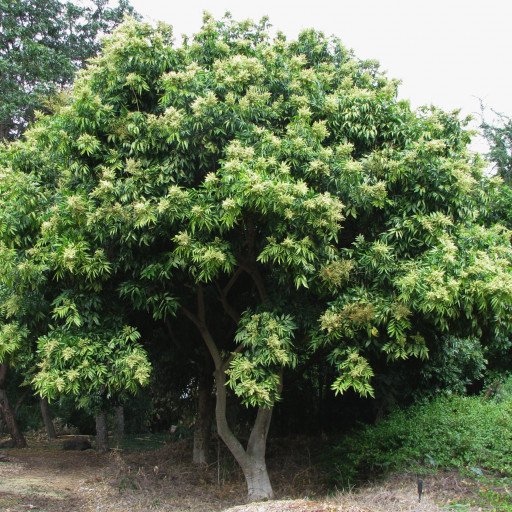
Plant Overview
Often called the Wingleaf Soapberry or the "Soap Tree," this versatile native of the Americas is nature’s very own laundry detergent. Long before commercial soaps existed, indigenous cultures harvested its amber-colored berries to create a rich, cleansing lather for washing clothes and hair. It’s a hardy, attractive tree that brings both history and utility to a landscape.
🔍 How to Identify
- 🍃 The "Winged" Stem: The most distinct feature is the rachis (the main leaf stalk), which has a leafy, flattened "wing" running between the leaflets.
- 🍂 Leathery Foliage: The leaves are glossy, lance-shaped, and grow in a pinnate arrangement, turning a lovely golden-yellow in the autumn.
- 🟠 Translucent Berries: In late summer, the tree produces clusters of grape-like fruits that transition from green to a translucent, leathery orange-brown.
🏡 In Your Garden
- 🌳 A Tough Survivor: This tree is incredibly resilient and thrives in poor, rocky, or sandy soils where other plants might struggle. Because it has a deep taproot, it is exceptionally drought-tolerant once established, making it a "set-and-forget" favorite for low-maintenance landscapes.
- 🦋 Pollinator Hub: While humans value the berries, pollinators are drawn to the large, airy clusters of creamy-white flowers that bloom in the spring. It serves as a vital nectar source for bees and various butterfly species.
⚠️ Safety & Toxicity
- 🚫 Toxic if Ingested: While the berries are excellent for cleaning, they are not edible. They contain high concentrations of saponins, which can cause severe gastrointestinal distress if eaten by humans or pets.
- 🐾 Pet Safety: Keep a close eye on dogs in the fall when the berries drop; consuming the fruit can lead to vomiting and drooling.
- 👁️ Eye Irritant: If you decide to crush the berries to make your own natural soap, be extremely careful to avoid eye contact. The concentrated saponins are a potent irritant—much like getting a concentrated blast of liquid dish soap in your eye.
✨ Fun Fact
The hard, jet-black seeds inside the fruit are so perfectly round and durable that they have been used for centuries to make rosary beads, buttons, and jewelry. In some traditions, the seeds were even used as the core of early, handmade baseballs!

Detailed Care Instructions
To grow a Sapindus Saponaria plant, also known as the soapberry or soapnut tree, you can follow these steps:
- Choose the right location: Select a sunny spot in your garden with well-draining soil. The tree can tolerate a variety of soil types but prefers slightly acidic to neutral soil.
- Propagation: Sapindus Saponaria can be grown from seeds, cuttings, or saplings. If you have access to fresh seeds, start by soaking them in warm water for 24 hours to soften the hard outer shell.
- Seed sowing: Plant the soaked seeds in a pot or directly in the ground, about one inch deep. Water the soil regularly to keep it moist.
- Germination: The seeds typically take two to four weeks to germinate. Provide warmth and humidity, if possible, to encourage germination.
- Transplantation: Once seedlings are 6-8 inches tall, you can transplant them into larger individual pots or into the garden. Ensure proper spacing between plants, as Sapindus Saponaria can grow up to 50 feet in height and spread.
- Care and maintenance: Water the plant regularly, especially during the initial stages of growth. Provide a layer of mulch around the base to retain moisture and suppress weeds. Prune the tree to maintain its shape and remove any dead or damaged branches.
- Fertilization: Apply a balanced fertilizer during the growing season to promote healthy growth. Follow the manufacturer's instructions for proper dosage.
- Pest control: Sapindus Saponaria plants are generally resilient and not prone to serious pest or disease issues. However, keep an eye out for common garden pests such as aphids or scale insects. Use organic or chemical measures to control them if necessary.
- Harvesting: Once the tree reaches maturity, usually after 4-5 years, it will produce soapnuts or berries. Harvest them when they turn yellowish-brown and slightly soft. The soapnuts can be used as a natural detergent or in other household applications.
- Winter protection: In colder climates, provide winter protection by wrapping the trunk with burlap or using frost covers during extreme temperatures.
Remember to check your local gardening guidelines to ensure that Sapindus Saponaria is suitable for your area before planting.

Place in a bright room that is sun drenched almost all day. Or directly in a south-facing window.

To water this plant, it is important to make sure that the soil is kept consistently moist but not waterlogged. This can be achieved by watering deeply and evenly, making sure to saturate the entire root zone of the plant. It is recommended to water the plant once or twice per week, depending on the climate and humidity levels. It is important to monitor the soil moisture level regularly to ensure that it stays within the ideal range for the plant's needs. If the soil becomes too dry, the plant may wilt and suffer damage, but if it is too wet, the roots may become waterlogged and develop problems. When watering, it is best to avoid getting water on the leaves or flowers of the plant, as this can promote the growth of fungi or other diseases.
The best time to fertilize this plant is during its active growth period, which is usually in the spring and summer. Use a slow-release, nitrogen-rich fertilizer and apply it evenly around the drip line of the plant. Be careful not to over-fertilize as this can cause the plant to produce excessive foliage at the expense of blooms. Water the plant thoroughly after fertilizing to help the nutrients penetrate the soil. It is also recommended to avoid fertilizing during the dormant season as the plant may not absorb the nutrients effectively.
Sapindus Saponaria is a plant that belongs to the Sapindaceae family. For optimal growth, it is recommended to use a well-draining soil that is rich in organic matter. The soil pH level should range from slightly acidic to neutral, ideally between 5.5 to 7.5. It is important to ensure that the soil does not become completely dry as the plant prefers moist soil. Water should be applied thoroughly but avoid overwatering. The plant can also benefit from regular fertilizing with a balanced fertilizer during the growing season. Additionally, the plant prefers to be placed in a spot where it can receive full sun to partial shade.
Sapindus Saponaria is a plant that can be propagated through seeds or through cuttings.
To propagate through seeds, collect mature seeds from the plant and soak them in water for a few hours. After the seeds have soaked, plant them in a well-draining potting mix about an inch deep. Keep the soil moist and place the pot in a warm, well-lit area. The seeds should germinate in about two to four weeks.
To propagate through cuttings, take a cutting from a healthy, mature plant in the spring or summer. Cut a stem that is about six inches long with a sharp, clean pair of pruning shears. Remove the leaves on the lower half of the stem and dip the cut end in rooting hormone powder. Plant the stem in a well-draining potting mix and keep the soil moist. Cover the pot with a plastic bag to create a humid environment for the cutting. Place the pot in a warm, bright area but avoid direct sunlight. Check the soil regularly and mist the cutting with water if it starts to dry out. The cutting should establish roots in about four to six weeks.








