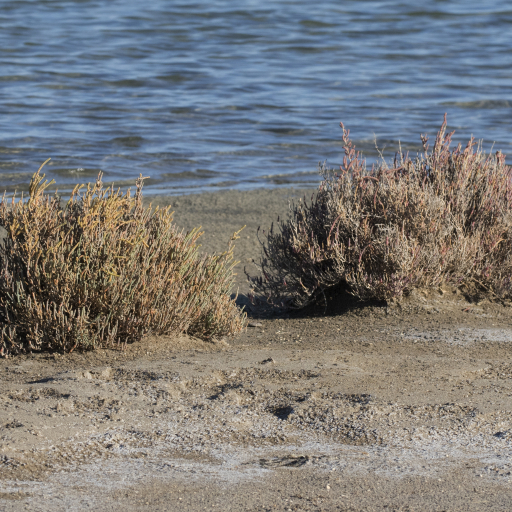
Plant Overview
Known as "Perennial Glasswort" or the quirky "Chickenclaws," this hardy succulent is a master of the salt marsh. Often mistaken for a strange underwater cactus that wandered onto the shore, it is a halophyte—a plant that thrives in environments so salty they would wither most other species. It has been a staple for coastal foragers for centuries, prized for its distinct salty "pop" and crunchy texture.
🔍 How to Identify
- 🌿 Segmented Stems: The plant looks like a series of tiny, fleshy green sausages linked together. These jointed segments are actually its leaves and stems fused into one.
- 🪵 Woody Base: Unlike its annual relatives, this variety develops a tough, woody base as it ages, allowing it to survive harsh winter tides and return year after year.
- 🎨 Color Shifts: While typically a vibrant "sea green," the stems often blush into deep shades of crimson or purple during the autumn or when the plant is experiencing high salt stress.
🏡 In Your Garden
- 🌊 Salt Specialist: This plant doesn't just tolerate salt; it craves it. If you live near the coast, it is the perfect "front line" plant for areas that receive heavy sea spray or occasional brackish flooding.
- ☀️ Sun Seeker: It requires full, unobstructed sunlight. In its natural habitat, it grows in open mudflats because it is easily shaded out and "bullied" by taller marsh grasses.
- 💧 Drainage Nuance: While it loves moisture, it prefers "well-drained" mud. It thrives on the ebb and flow of the tide; stagnant, fresh water can lead to root rot and fungal issues.
⚠️ Safety & Toxicity
- 🍽️ Safe & Edible: It is non-toxic and widely considered a gourmet delicacy, often sold in high-end markets as "Sea Asparagus" or "Marsh Samphire."
- 🐾 Pet Friendly: It is generally safe for cats and dogs. However, due to its naturally high sodium content, it shouldn't be a regular part of a pet's diet.
- 🛡️ Foraging Caution: If you are gathering it from the wild, be certain the water source is clean. These plants are efficient filters and can soak up pollutants or heavy metals from contaminated runoff.
✨ Fun Fact
The name "Glasswort" isn't a coincidence! In the 16th century, these plants were collected and burned in large quantities to create "soda ash." This ash was a vital ingredient in the historical process of making glass and soap.

Detailed Care Instructions
To grow Sarcocornia Perennis, also known as perennial glasswort or scurvy grass, you can follow these steps:
- Obtain seeds or young plants: Sarcocornia Perennis can be grown from seeds or young plants. You can purchase seeds from a reputable online or local nursery, or collect them from mature plants if available. Young plants can be sourced from nurseries.
- Choose a suitable location: Sarcocornia Perennis thrives in coastal areas but can also be grown inland. It prefers full sun and well-drained soil that is sandy, salty, or alkaline. Ensure the location receives a minimum of six hours of sunlight daily.
- Prepare the soil: If you are planting in the ground, ensure the soil is well-drained and free from weeds. You may need to amend the soil with sand to improve drainage. If planting in containers, use a well-draining potting mix.
- Sow seeds or transplant young plants: If using seeds, sow them directly in the ground or in containers. Cover the seeds lightly with soil or sand. If using young plants, transplant them carefully into the prepared soil, leaving enough space between them to allow for growth.
- Watering and maintenance: During the first few weeks after planting, keep the soil consistently moist but not soggy. Once established, Sarcocornia Perennis is drought-tolerant and can withstand high salt levels. Water sparingly, only if the soil becomes extremely dry. Remove any weeds that compete for nutrients with the plants.
- Pruning: Sarcocornia Perennis doesn't require much pruning, but you can trim any dead or damaged branches to maintain the overall appearance of the plant.
- Winter protection: In colder climates, where the plant is not frost-tolerant, provide winter protection by covering it with a frost cloth or bringing container-grown plants indoors.
- Harvesting: Sarcocornia Perennis leaves are edible, and the plant is commonly used in cooking. You can start harvesting leaves after the plant is well-established, typically after 2-3 months. Harvest leaves by gently picking them from the base of the plant.
Remember to check your local regulations before harvesting or foraging any wild plants.
By following these steps, you should be able to successfully grow Sarcocornia Perennis.
Sarcocornia Perennis is a type of plant that requires certain conditions to thrive, particularly with regards to watering. When watering this plant, it is important to keep in mind a few key factors. The first is that it does not tolerate wet feet and needs well-draining soil, so avoid over-watering it. On the other hand, the plant also needs consistent moisture, so it is important to water it regularly, especially during the growing season. When watering, it is recommended to slowly and evenly apply water to the base of the plant, being careful not to wet the leaves or stems. Additionally, adding a layer of mulch around the base of the plant can help retain moisture in the soil. Proper watering technique will ensure that this plant remains healthy, vibrant, and able to thrive in its environment.
- Choose a balanced liquid fertilizer with equal amounts of nitrogen, phosphorus, and potassium.
- Dilute the fertilizer according to package instructions, typically 1 teaspoon per gallon of water.
- Water the plant thoroughly before fertilizing to avoid burning the roots.
- Apply the fertilizer evenly around the base of the plant, taking care to avoid getting any on the leaves.
- Water the plant again after fertilizing to help the nutrients penetrate the soil.
- Repeat fertilization every 4-6 weeks during the growing season, typically from early spring to early fall.
- Monitor the plant for any signs of over-fertilization, such as yellowing leaves or stunted growth, and adjust the fertilization schedule accordingly.
The recommended soil for growing the plant has a specific pH range and texture. It should be well-draining and have a pH ranging from 6 to 8. The soil should be sandy with low organic matter content, as the plant is adapted to grow in coastal salt marshes where the soil is typically poor. Since the plant is highly tolerant of salt, the soil should be saline or have a high salt content as well. Additionally, the soil should be moist to mimic the native habitat of the plant.
Sarcocornia Perennis plant can be propagated through vegetative means, such as stem cuttings. To propagate using stem cuttings, select healthy and mature stems from the parent plant and cut them to about 4-6 inches long. Remove the bottom leaves and dip the cuttings into rooting hormone powder. Plant the cuttings in well-draining soil mix and keep the soil moist but not waterlogged. Place the cuttings in a warm and bright location but avoid direct sunlight. After several weeks, the cuttings will start producing roots and new shoots, which indicates successful propagation. It is important to handle the cuttings with care to avoid damage and to provide the appropriate growing conditions to facilitate growth.








