Plant Overview
Commonly known as Katuk, Sweet Leaf, or the "Multivitamin Plant," Sauropus androgynus is a staple in Southeast Asian backyard gardens. It earns its nicknames because its leaves are incredibly nutrient-dense, tasting remarkably like fresh garden peas or nutty asparagus when eaten. Often grown as a living fence, this tropical shrub is as functional as it is attractive.
🔍 How to Identify
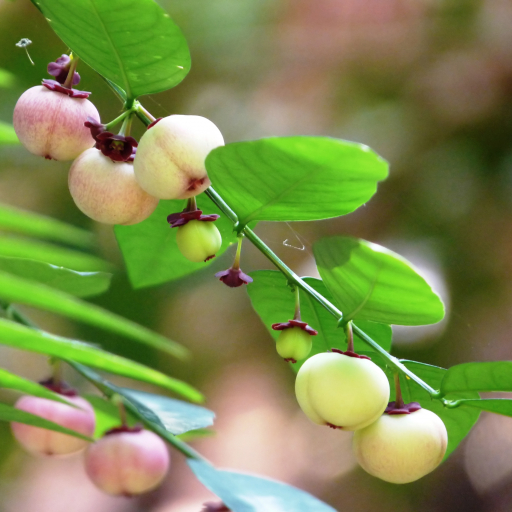
- 🌿 Leaf Arrangement: The dark green, oval leaves are arranged in two neat rows along the stems, giving the branches a flat, feathery, frond-like appearance.
- 🌸 Hidden Blooms: Look closely underneath the leaves; the tiny, disk-shaped flowers are a deep maroon or reddish-purple and hang downward like secret ornaments.
- ⚪ The Fruit: It produces small, white-to-purplish capsule-like fruits that look like tiny marble-sized lanterns tucked against the stem.
🏡 In Your Garden
- ✂️ The "Prune to Bloom" Strategy: Left to its own devices, Katuk grows into a tall, lanky "stick" up to 10 feet high. To keep it lush and harvestable, you must prune it aggressively. This encourages the plant to branch out and produce the tender new tips that are most prized for cooking.
- 💧 Thirsty & Hungry: This plant is a heavy feeder. Because it grows so rapidly, it requires nitrogen-rich soil and consistent moisture. It hates drying out completely and thrives best in the humid, dappled shade of larger trees rather than harsh, direct afternoon sun.
⚠️ Safety & Toxicity
- 🍳 Status: Edible with Caution. While Katuk is a popular vegetable, it should never be consumed in large quantities raw.
- 🫁 The Lung Connection: There have been medical reports of "bronchiolitis obliterans" (permanent lung damage) in individuals who consumed excessive amounts of raw Katuk juice for weight loss. Always cook the leaves (sautéing or boiling) to ensure safety, and enjoy it as a side dish rather than a primary food source.
- 🐾 Pets: It is generally considered non-toxic to household pets in small accidental amounts, though it is not intended as forage for them.
✨ Fun Fact
In many Southeast Asian cultures, Katuk is the "go-to" plant for nursing mothers. It has been used for centuries as a galactagogue—a substance believed to naturally increase breast milk production.

Detailed Care Instructions
To grow Sauropus androgynus, also known as katuk or sweetleaf, you can follow these steps:
- Climate and soil requirements: Katuk plants thrive in tropical or subtropical climates. They prefer well-drained soil that is rich in organic matter.
- Propagation: You can propagate katuk either through seeds or stem cuttings. Seeds can be sown in well-prepared soil, and they typically germinate within a few weeks. Stem cuttings from mature plants can be rooted in a potting mix or directly in the ground.
- Planting: Select a sunny or partially shaded spot in your garden to grow katuk. Dig a hole slightly larger than the size of the root ball of the plant or the cuttings. Gently place the plant or cutting in the hole and backfill with soil, ensuring the plant is level with the ground. Space the plants about 2 to 3 feet apart to allow for adequate growth.
- Water: Water the plants regularly, keeping the soil moist but not waterlogged. Avoid letting the soil completely dry out between waterings.
- Fertilization: Apply a balanced, slow-release organic fertilizer every few months to provide necessary nutrients for optimal growth.
- Mulching: Apply a layer of organic mulch such as straw or wood chips around the base of the plants to help retain moisture, suppress weeds, and promote healthy growth.
- Pruning: Prune the plants as needed to shape them and encourage bushier growth. Pinching off the tips of the branches can promote branching and denser foliage.
- Harvesting: Depending on the climate and growing conditions, katuk plants can be harvested within a few months to a year after planting. Harvest the tender young leaves by cutting them close to the stem. Avoid over-harvesting to allow the plant to continue growing and producing.
By following these steps, you should be able to successfully grow Sauropus androgynus plants and enjoy their nutritious and flavorful leaves.

Place in a window with dappled sun or a spot in the middle of a room. Or directly in a window facing west or east.

To water this specific plant, it is important to take into consideration the specific needs of its environment. The soil should be kept consistently moist, but not waterlogged. Overwatering can lead to root rot, so it is important to ensure adequate drainage. The plant should be watered thoroughly, with the soil being completely saturated, before allowing it to dry out slightly before the next watering. It is also important to avoid getting water on the leaves, as this can encourage fungal growth. One way to do this is to water the plant at its base, rather than from above. It is recommended to use room temperature water, as cold water can shock the roots. The frequency of watering will depend on various factors such as the size of the plant, the temperature and humidity of the environment, and the type of soil it is planted in.
To fertilize this plant, start by choosing a balanced, water-soluble fertilizer with equal amounts of nitrogen, phosphorus, and potassium. Follow the instructions on the package for mixing the fertilizer with water and apply it to the soil around the plant, avoiding getting any on the leaves. Repeat the fertilization process every 4-6 weeks during the growing season, making sure not to over-fertilize as this can harm the plant. Be sure to water the plant regularly and monitor it for any signs of nutrient deficiencies, such as yellowing leaves.
For optimal growth and health, Sauropus Androgynus plant requires a well-draining, nutrient-rich soil with a slightly acidic pH level between 5.5 and 6.5. The soil should be loamy and have a rich organic matter content. It is recommended to use a mixture of peat moss, perlite, and vermiculite to improve soil aeration, drainage and water retention. Adding compost, aged manure or worm castings to the soil will also help provide the plant with necessary nutrients for growth. It should also be noted that the plant prefers moderately moist soil, so avoid letting the soil dry out completely between waterings.
To propagate this plant, gather stem cuttings from healthy parent plants using a sharp and sterile pair of pruning shears. Cut the stem at an angle, making sure it is at least 4-5 inches long and has a few leaves attached at the top. Remove any leaves on the bottom half of the stem.
Fill a pot with well-draining soil and make a hole in the center. Dip the cut end of the stem into a rooting hormone powder to promote root growth. Insert the stem into the hole and firm the soil around it.
Cover the pot with a plastic bag or a clear plastic container to create a mini greenhouse environment that will help retain moisture and warmth. Place the pot in a warm area with bright, indirect light.
Check the soil regularly and water it when the top inch feels dry to the touch. Avoid overwatering to prevent root rot.
In a few weeks, the stem should start to grow roots and new leaves. Once the plant has established a healthy root system, remove the plastic cover and move it to a larger pot or to the garden, if desired.
Common pests of the star-gooseberry include Mealybugs, spider mites, thrips, larvae. Make a habit of checking your star-gooseberry frequently for pests so that any infestations can be caught and managed early.








