Plant Overview
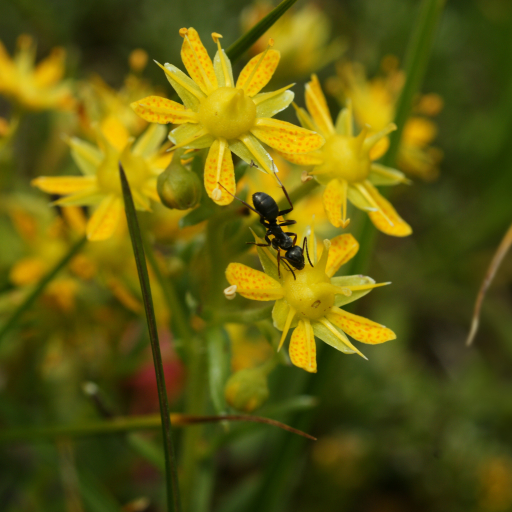
Often called the Yellow Mountain Saxifrage, this resilient alpine beauty clings to the mist-covered cliffs of the Northern Hemisphere. It is a true survivor of high altitudes, often found splashing vibrant color against gray, wet stones where few other plants dare to grow. Its genus name, Saxifraga, literally translates to "stone-breaker," a nod to the ancient belief that these plants could crack solid rock with their persistent roots.
🔍 How to Identify
- 🌼 The Flowers: Look for five-petaled, star-shaped blossoms that are typically bright yellow, though they are famously "freckled" with tiny orange or red dots.
- 🍃 The Foliage: The leaves are small, fleshy, and succulent-like. They grow in dense, low-lying mats or cushions to protect the plant from harsh mountain winds.
- 📐 Growth Habit: It features creeping stems that sprawl across the ground, creating a lush green carpet that turns golden when in full bloom.
🏡 In Your Garden
- 💧 The "Wet Feet" Rule: In nature, this plant thrives near mountain streams and seeping wet rocks. If planting in a rock garden, it requires consistent moisture and "cool" roots, making it perfect for north-facing slopes.
- 🪨 Soil Preference: It is a "calciphile," meaning it loves lime-rich or alkaline soils. To keep it happy, avoid acidic peat and instead use a gritty, limestone-heavy compost that mimics a rocky scree.
- ❄️ Climate Context: This is not a plant for the tropics! It craves the cold and requires a distinct winter chill to thrive. It will struggle in high humidity or sweltering summer nights.
⚠️ Safety & Toxicity
- ✅ Status: Non-toxic and generally safe.
- 🐾 Details: There are no known toxic effects for cats, dogs, or horses. While it isn't considered edible for humans, it poses no danger if accidentally touched or brushed against in the garden.
✨ Fun Fact
Despite its delicate appearance, Saxifraga aizoides is a "pioneer species." It is one of the first plants to colonize barren glacial moraines, slowly breaking down minerals and trapping organic matter to create the very first layers of soil for future ecosystems.

Detailed Care Instructions
| Humidity | High |
| Lighting | Full Sun |
| Difficulty | Medium |
| Hardiness Zones | Max 5 |
To grow Saxifraga Aizoides, also known as yellow mountain saxifrage, you can follow the steps below:
- Select a suitable location: Saxifraga Aizoides prefers full sun to partial shade. Choose a spot in your garden or a well-draining container that receives at least 6 hours of sunlight per day.
- Prepare the soil: Saxifraga Aizoides thrives in well-draining soil with a slightly acidic pH. If your soil is heavy or clay-like, add organic matter such as compost or peat moss to improve drainage.
- Planting: Dig a hole in the prepared soil that is slightly larger than the plant's root ball. Gently place the plant in the hole, making sure the top of the root ball is level with the ground. Backfill the hole with soil, firming it gently around the plant.
- Watering: Water the plant thoroughly after planting to settle the soil and help the roots establish. Saxifraga Aizoides prefers moist soil, so water regularly, especially during dry spells. However, ensure not to overwater and avoid waterlogging the soil.
- Mulching: Apply a layer of organic mulch around the plant to help retain moisture, suppress weed growth, and protect the roots during extreme temperatures.
- Fertilizing: Saxifraga Aizoides is not a heavy feeder and does not require frequent fertilization. A light application of a balanced fertilizer in spring can provide the necessary nutrients. Follow the instructions on the fertilizer packaging for the proper amount to use.
- Pruning: Deadhead flowers once they fade to encourage continuous blooming. You can also prune any dead or diseased foliage throughout the growing season to maintain the plant's overall health and appearance.
- Division: Saxifraga Aizoides can be divided every few years to rejuvenate the plant. Dig up the clump, carefully separate the rooted sections, and replant them in well-prepared soil. Water thoroughly after division.
- Winter care: Saxifraga Aizoides is a cold-hardy plant but may benefit from some winter protection, especially in colder regions. Apply a layer of straw or mulch around the base of the plant to insulate the roots from freezing temperatures.
By following these steps and providing suitable growing conditions, you can successfully grow Saxifraga Aizoides in your garden or container.

Place in a window with dappled sun or a spot in the middle of a room. Or directly in a window facing west or east.

To water this plant, you should first determine if the soil is dry before watering. It is important not to over water, as this can lead to root rot. When watering, aim to moisten the soil around the base of the plant rather than getting water on the leaves and flowers. It is recommended to use room temperature water, rather than cold water, to avoid shocking the roots. Additionally, during the winter months when the plant is dormant, it requires less water and can be left to dry out slightly between waterings.
For this plant, use a slow-release fertilizer in the early spring before the growing season. Apply it at the base of the plant, being careful not to get any on the foliage. Water thoroughly after applying. During the growing season, you can give it a light application of all-purpose fertilizer every 4-6 weeks if needed. Be sure to follow the fertilizer instructions and do not over-fertilize to avoid damaging the plant.
The ideal soil for this plant is a well-draining mix with a slightly acidic pH level. It should be rich in organic matter and have a moderate level of moisture retention. Nutrient levels should be moderate, as excessive fertilization can harm the plant. This plant will not thrive in heavy, compacted soil or in soil that retains too much moisture. It is important to ensure proper drainage to prevent the roots from becoming saturated and rotting. Adding perlite or sand to the soil mix can improve drainage.
There are different methods of propagating Saxifraga Aizoides plants, including division, cuttings, and seed propagation.
Division:
- Dig up the plant and gently separate the root clusters.
- If necessary, use a sharp, sterilized knife to cut the roots to separate the clusters.
- Plant the separated clumps in fresh soil, making sure to keep the soil moist until they establish.
Cuttings:
- Choose a healthy stem with new growth.
- Use a sterilized knife or snips to cut the stem about 3-4 inches long.
- Remove the bottom leaves, leaving only a few at the top.
- Dip the cut end into rooting hormone powder.
- Plant the cutting in a pot of moist soil or perlite, making sure to keep the soil moist and the cutting in a warm, bright location.
- After several weeks, roots should form and the cutting can be transplanted to its permanent location.
Seed Propagation:
- Collect mature seeds from the plant and allow them to dry for a few days.
- Fill a small pot or seed tray with moist soil or perlite.
- Sow the seeds thinly on the surface of the soil and cover with a thin layer of soil or perlite.
- Water the soil gently and place it in a bright, warm location.
- Keep the soil moist and watch for seedlings to emerge in a few weeks.
Note: Saxifraga Aizoides plants prefer well-draining soil and can tolerate full sun to partial shade. They are native to alpine regions and may benefit from cold stratification if propagating through seed.








