Plant Overview
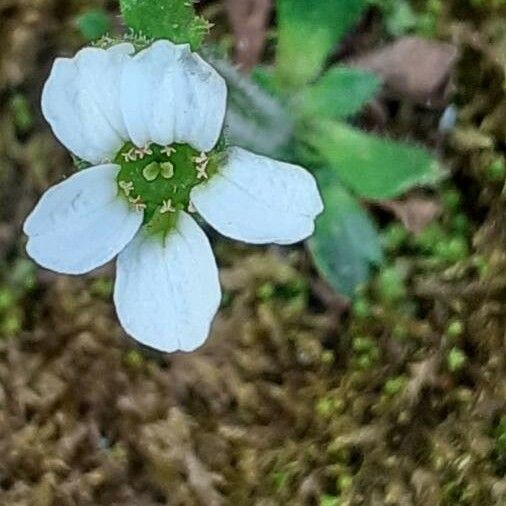
The Androsace Saxifrage is a resilient little mountaineer that thrives where few others can—clinging to rocky ledges and limestone cracks in the high Alps and Pyrenees. Often nicknamed the "Rockfoil," this tiny perennial forms soft, moss-like cushions that burst into delicate white blooms as soon as the mountain snows begin to retreat. It is a symbol of endurance, perfectly adapted to the thin air and harsh sun of high altitudes.
🔍 How to Identify
- 🌿 Fuzzy Rosettes: The plant consists of tiny, wedge-shaped leaves gathered into tight rosettes. These leaves are usually covered in fine, glandular hairs that help the plant trap moisture and protect it from frost.
- 🌸 Snowy Blossoms: Each thin, upright stem typically carries one to three cup-shaped flowers. The petals are pure white, often featuring a subtle lime-green or yellow "eye" at the center.
- 🏔️ Cushion Growth: It grows in a compact "mat" or "cushion" habit, staying very low to the ground (often only 2-4 inches tall) to stay out of the biting mountain winds.
🏡 In Your Garden
- 🪨 The Alpine Craving: In a home setting, this plant is a star for rock gardens or "trough" gardens. It demands "gritty" soil; if its roots sit in heavy, wet clay, the plant will rot almost overnight. It prefers mimicking its home in the scree slopes.
- ❄️ Cool Roots, Sun-Kissed Leaves: While it loves the light, it hates the heat. In warmer climates, it struggles during humid summers. It thrives best when its roots are tucked under a cool stone or a layer of gravel to keep the temperature stable.
⚠️ Safety & Toxicity
- ✅ Non-Toxic: Saxifraga androsacea is generally considered safe and non-toxic to humans, cats, and dogs.
- 👐 Physical Fragility: While it isn't poisonous, it is physically delicate. Because it grows so slowly, it can take a long time to recover from being stepped on or having its rosettes crushed, so it’s best placed in a protected nook.
✨ Fun Fact
The name Saxifraga literally translates from Latin as "stone-breaker." While the plant doesn't actually crack boulders, its ability to grow in the tiniest fissures of solid rock led ancient observers to believe it had the power to dissolve stone—leading to its historical use in folk medicine for treating kidney stones!

Detailed Care Instructions
Growing Saxifraga androsacea, an alpine plant known for its attractive rosettes and flowers, involves attention to its specific needs. Here's a step-by-step guide:
1. Choosing a Location:
- Light: Saxifraga androsacea thrives in full sun to partial shade. In hotter climates, some afternoon shade is beneficial.
- Soil: Prefers well-drained, gritty soil. It's essential to mimic the conditions of its natural alpine environment. A rock garden or a crevice garden can be ideal.
- Protection: Consider a location protected from harsh winter winds and heavy rain, particularly in areas with cold winters.
2. Soil Preparation:
- Mix organic compost with gravel, grit, or coarse sand to improve drainage.
- Ensure the soil is not too rich in nutrients; these plants thrive in relatively lean conditions.
3. Planting:
- Seeds: Sow seeds in late winter or early spring. Use a mix of coarse sand and potting soil. Surface-sow seeds and press them lightly into the soil without covering them.
- Seedlings: Transplant seedlings when they're large enough to handle, spacing them about 6-12 inches apart.
4. Watering:
- Keep the soil consistently moist but not waterlogged. Overwatering can lead to root rot.
- Allow the top layer of soil to dry out between watering in cooler months but maintain more consistent moisture during active growth periods.
5. Mulching:
- Apply a thin layer of gravel or coarse sand around the plants to protect the crowns and improve drainage. This helps prevent rot and mimics the natural growing conditions.
6. Fertilizing:
- Generally, there is no need to fertilize heavily. If desired, use a diluted, balanced fertilizer during the growing season. Over-fertilizing can lead to lush but weak growth.
7. Pruning and Maintenance:
- Remove dead or dying leaves and spent flowers to maintain plant health and appearance.
- Divide clumps every few years in spring or early autumn to rejuvenate the plants and propagate new ones.
8. Protection During Winter:
- In areas with severe winters, protect plants with a layer of mulch or a cold frame.
- Ensure they are not in a site where water will puddle and freeze.
9. Pest and Disease Management:
- Watch for aphids or mealybugs. Remove them manually or use insecticidal soap.
- Good air circulation and proper watering will help prevent fungal diseases.
10. Propagation:
- Besides seed sowing, Saxifraga androsacea can be propagated by division or from leaf cuttings.
- For leaf cuttings, select a healthy leaf and place it in a sandy soil mix. Keep it moist until roots develop.
By paying attention to these guidelines, you should be able to successfully grow and enjoy Saxifraga androsacea in your garden.

Place in a window with dappled sun or a spot in the middle of a room. Or directly in a window facing west or east.

Watering a Saxifraga Androsacea plant requires a balanced approach to ensure that it receives adequate moisture without becoming waterlogged. Here are detailed guidelines to help you:
### 1. **Understanding the Plant's Natural Habitat**
- **Origin**: This plant is typically found in alpine and rocky regions where drainage is excellent.
- **Soil Conditions**: Prefers well-draining, gritty soil.
### 2. **Watering Frequency**
- **Growing Season**: During its active growing period in spring and summer, the plant will need more frequent watering.
- **Dormant Period**: In the fall and winter, reduce watering significantly as the plant enters dormancy.
### 3. **Watering Technique**
- **Watering Method**: Use a watering can with a fine rose (nozzle) or a gentle spray to avoid displacing soil and exposing roots.
- **Soil Moisture Levels**: Allow the top inch of soil to dry out between waterings. Stick your finger into the soil to check moisture levels.
- **Avoid Overwatering**: Ensure the plant's roots are not sitting in water. Overwatering can lead to root rot.
### 4. **Potting and Drainage**
- **Container Choice**: If planted in a pot, ensure it has ample drainage holes.
- **Soil Mix**: Use a specialized alpine or succulent soil mix that includes sand or small gravel to help with drainage.
- **Elevation**: Elevate the pot slightly using small stones or pot feet to improve airflow and drainage.
### 5. **Environmental Considerations**
- **Climate**: In hot climates, you may need to water more frequently. In cooler climates, less frequent watering is needed.
- **Humidity**: This plant thrives in lower humidity environments.
### 6. **Water Quality**
- **Water Type**: Use rainwater or distilled water if possible. Tap water may contain minerals or additives that can build up in the soil.
- **Temperature**: Room-temperature water is ideal to avoid shocking the plant's roots.
### 7. **Signs of Improper Watering**
- **Underwatering**: Leaves may start to wilt or dry out.
- **Overwatering**: Leaves may become yellow and mushy, and the plant might develop root rot.
By following these detailed steps, you can effectively water your Saxifraga Androsacea and help it thrive in its environment.
Saxifraga androsacea benefits from a balanced fertilization plan. Here's a step-by-step guide:
- Soil Preparation: Before planting, amend the soil with compost or well-rotted manure to improve fertility and drainage.
- Initial Fertilization: When first planting, apply a slow-release, balanced fertilizer (such as a 10-10-10 formula) to the soil. Follow the manufacturer's recommended application rate based on the size and number of plants.
- Growing Season Feeding: During the growing season, you can feed the plants once a month with a diluted liquid fertilizer (balanced or slightly higher in phosphorus such as a 5-10-5 formula). Mix the fertilizer at half the recommended strength to avoid over-fertilization, which can be harmful.
- Avoid Over-Fertilization: Be cautious not to over-fertilize, as this plant type prefers leaner soils. Too much fertilizer can lead to lush foliage with fewer flowers and possibly damage the plant.
- Post-Bloom Care: After the blooming period, reduce the frequency of fertilization to every 6-8 weeks using a balanced fertilizer at reduced strength.
- Organic Alternatives: If you prefer organic options, compost tea or a fish emulsion fertilizer can be applied every 4-6 weeks during the growing season.
- Watering and Fertilizing: Always water the plant well before and after applying fertilizer to prevent root burn and ensure even nutrient distribution.
By following these guidelines, you should maintain a healthy growing environment for your Saxifraga androsacea, supporting robust growth and blooming.
Saxifraga androsacea thrives best in a well-draining soil that mimics its natural alpine habitat. Here's what you need to consider when preparing the soil for this plant:
- Soil Composition: The ideal soil should be gritty and sandy, ensuring good drainage. A mix of equal parts:
- Garden loam
- Coarse sand or grit
- Leaf mold or compost
This combination provides the necessary aeration and drainage while still retaining some moisture.
- Garden loam
- pH Level: This plant prefers a slightly acidic to neutral pH level, around 6.0 to 7.0. You can test your soil's pH and amend it if necessary. Adding organic matter like compost can help moderate pH levels and improve soil structure.
- Organic Matter: Incorporating organic matter is crucial for providing nutrients and enhancing soil microstructure. Use well-decomposed compost or leaf mold. Avoid using heavy clay soils or excessively rich soils, as these can retain too much moisture and lead to root rot.
- Drainage: If planting in a garden bed, ensure there is good drainage. You can achieve this by creating raised beds or incorporating plenty of coarse sand or gravel into the planting area. For container planting, use pots with drainage holes and ensure the potting mix is well-draining.
- Mulching: Top-dress the soil with a layer of fine gravel or grit after planting. This mimics the plant's natural environment and helps prevent moisture-related diseases. It also helps in keeping the base of the plant dry and reduces the splash of water onto foliage, which can cause rot.
By following these guidelines, you can create an optimal growing medium for Saxifraga androsacea, providing it with the necessary conditions to flourish.
Propagating Saxifraga androsacea involves understanding its specific growing requirements and utilizing methods like seed sowing, division, and cuttings. Here’s a detailed guide on how to propagate it:
Seed Sowing:
- Collection and Preparation:
- Collect seeds when they are mature, typically in late summer or early fall.
- Clean the seeds to remove any surrounding debris.
- Collect seeds when they are mature, typically in late summer or early fall.
- Stratification:
- Stratify seeds by placing them in a moist, cold environment (refrigerator) for 4-6 weeks. This mimics winter conditions and improves germination rates.
- Stratify seeds by placing them in a moist, cold environment (refrigerator) for 4-6 weeks. This mimics winter conditions and improves germination rates.
- Sowing:
- After stratification, sow the seeds on the surface of a well-draining seed-starting mix, as they need light to germinate.
- Place the container in a bright, cool location (temperature around 60-65°F or 15-18°C).
- Keep the soil consistently moist but not waterlogged.
- After stratification, sow the seeds on the surface of a well-draining seed-starting mix, as they need light to germinate.
- Germination:
- Germination typically takes a few weeks to a couple of months.
- Once seedlings are large enough to handle, transplant them into individual pots.
Division:
- Germination typically takes a few weeks to a couple of months.
- Timing:
- The best time for division is early spring or late summer when the plant is not in active growth.
- The best time for division is early spring or late summer when the plant is not in active growth.
- Process:
- Carefully dig up the plant and gently separate the root clumps, ensuring each section has at least one growing shoot and a portion of the root system.
- Replant the divisions immediately into a well-prepared garden bed or pot with sharp drainage and a gritty soil mix.
Cuttings:
- Carefully dig up the plant and gently separate the root clumps, ensuring each section has at least one growing shoot and a portion of the root system.
- Selecting Cuttings:
- Take non-flowering basal cuttings in late spring or early summer.
- Choose healthy, robust shoots about 2-3 inches (5-7.5 cm) long.
- Take non-flowering basal cuttings in late spring or early summer.
- Preparation:
- Remove the lower leaves to expose the stem.
- Optionally, dip the cut end in rooting hormone to encourage root development.
- Remove the lower leaves to expose the stem.
- Planting:
- Insert the cuttings into a loamy, well-draining propagation medium.
- Place the container in a bright, indirect light spot.
- Keep the soil moist but not saturated.
- Insert the cuttings into a loamy, well-draining propagation medium.
- Rooting:
- Cuttings should root within a few weeks to a couple of months.
- Once roots are well-established, transplant the cuttings into their final growing locations.
General Tips:
- Cuttings should root within a few weeks to a couple of months.
- Soil Requirements:
- This species thrives in a gritty, well-draining soil mix, often with some lime content added.
- This species thrives in a gritty, well-draining soil mix, often with some lime content added.
- Watering:
- Regular, moderate watering is essential, ensuring the soil remains moist but never waterlogged.
- Regular, moderate watering is essential, ensuring the soil remains moist but never waterlogged.
- Light Conditions:
- Prefers partial shade to full sun, depending on the local climate.
- Prefers partial shade to full sun, depending on the local climate.
- Temperature:
- Generally hardy, but it prefers cooler climates and can tolerate frost.
By following these methods, you can successfully propagate Saxifraga androsacea and enjoy its growth in your garden or containers.
- Generally hardy, but it prefers cooler climates and can tolerate frost.








