Plant Overview
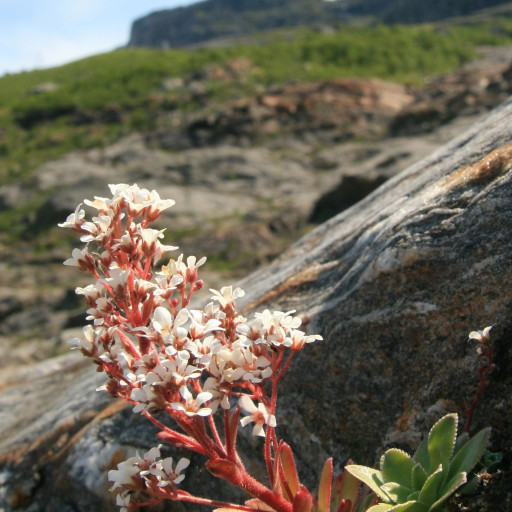
Known as the "Mountain Lady" (Bergfrue) in its native Norway, this alpine beauty is the crown jewel of rock gardens. It spends years forming a perfect, silver-edged rosette before erupting into a massive, snowy pyramid of blossoms. It is a plant of drama and patience, perfectly adapted to the harsh, windy cliffs of the European mountains.
🔍 How to Identify
- 🍃 Silver-Laced Rosettes: The thick, tongue-shaped leaves are arranged in a tight spiral. If you look closely at the edges, you will see white, crusty deposits; the plant actually "sweats" out excess lime through its pores.
- ❄️ The Pyramidal Bloom: When the plant matures, it sends up a spectacular, branched flower spike that can reach up to 2 feet tall, carrying hundreds of tiny, star-shaped white flowers.
- ⛰️ Mat-Forming Growth: Before it blooms, the plant stays very low to the ground, hugging rocks to avoid wind damage and conserve heat.
🏡 In Your Garden
- 🪨 Crevice Specialist: This plant hates "wet feet" and heavy soil. It thrives best when tucked into a vertical stone wall or a gravelly scree bed where water can drain away instantly from its crown.
- ⌛ The Life Cycle: Each individual rosette is monocarpic, meaning it puts all its energy into one "grand finale" bloom and then dies. However, the plant is a survivor; it usually produces several small "offsets" or pups at its base before the main rosette fades.
⚠️ Safety & Toxicity
- ✅ Non-Toxic: Saxifraga cotyledon is generally considered safe and non-toxic for both humans and household pets.
- 🧤 Mechanical Irritation: While not poisonous, the lime-encrusted leaf edges can be a bit rough. It is best to handle the plant gently to keep those decorative silver margins intact.
✨ Fun Fact
In 1935, this stunning species was officially named the national flower of Norway. Its ability to cling to the side of sheer, misty fjords has made it a symbol of resilience and mountain beauty.

Detailed Care Instructions
To grow Saxifraga Cotyledon, also known as Pyrenean Saxifrage or St. Patrick's cabbage, follow these steps:
- Start with a healthy plant: Buy a Saxifraga Cotyledon plant from a reputable nursery or garden center. Check for any signs of pests or disease before purchasing.
- Choose the right location: Saxifraga Cotyledon prefers partial shade or filtered sunlight. It needs well-drained soil that is rich in organic matter. The plant is hardy in USDA zones 4-8.
- Planting: Dig a hole slightly larger than the root ball of the plant. Place the plant in the hole, making sure the crown (where the stem meets the roots) is level with or slightly above the soil surface. Fill the hole with soil and gently firm it around the plant.
- Watering: Water your Saxifraga Cotyledon regularly, but avoid overwatering. The soil should be kept moist but never waterlogged. Adjust your watering routine based on the weather and soil conditions. During dry periods, increase watering.
- Fertilizing: Feed the plant with a balanced slow-release fertilizer in spring. Follow the packaging instructions for proper application rates. Avoid using excessive amounts of fertilizer, as it can harm the plant.
- Mulching: Apply a layer of organic mulch around the base of the plant. This will help retain moisture, regulate soil temperature, and suppress weed growth.
- Pruning: Remove any dead or damaged leaves and flowers regularly. This will promote new growth and maintain the plant's appearance.
- Propagation: Saxifraga Cotyledon can be propagated through division or leaf cuttings. Division should be done in early spring or fall, while leaf cuttings can be taken in spring or summer.
- Winter care: Saxifraga Cotyledon is generally cold-hardy but might benefit from a layer of mulch or straw during winter to protect it from extreme temperature fluctuations.
- Monitor for pests and diseases: Keep an eye out for common garden pests like aphids, slugs, and snails. Treat any infestations immediately to prevent damage. Also, be vigilant about identifying and addressing any disease issues.
With proper care, Saxifraga Cotyledon can thrive and grow into a beautiful and unique addition to your garden.

Place in a window with dappled sun or a spot in the middle of a room. Or directly in a window facing west or east.

To water this plant, you should first determine the soil moisture level by inserting your finger about an inch deep into the soil. If the soil feels dry, you can proceed to water the plant. Use a watering can with a narrow spout or a spray bottle to moisten the soil around the base of the plant. Be careful not to overwater as this can cause root rot. Wait until the topsoil is dry before watering again. It's also important to avoid getting water on the leaves as this can cause damage or disease. Finally, ensure that the pot has good drainage to prevent the plant from sitting in water which can also lead to root rot.
To fertilize this plant, apply a balanced fertilizer with equal parts nitrogen, phosphorus, and potassium once every four weeks during the growing season. Do not fertilize during the winter months. Water the plant thoroughly before and after fertilizing to avoid burning the roots. Ensure the soil is well-drained to avoid nutrient buildup and root rot.
The ideal soil for this plant is well-draining and slightly acidic with a pH range of 5.5 to 6.5. It should also be rich in organic matter and have good water retention qualities to prevent the roots from drying out. A mixture of peat moss, perlite, and sand is recommended to provide these growing conditions. It is important to avoid soil that is heavy or compacted, as this can lead to poor drainage and root rot.
To propagate this plant, take stem cuttings in the spring or early summer. Ensure that the parent plant is healthy and disease-free before taking cuttings. Using a sterilized pair of scissors or pruners, cut a 3-4 inch section of a stem just below a node. Remove the bottom leaves and dip the cut end in rooting hormone. Place the cutting in a pot filled with moist potting soil, and cover with a plastic bag or dome to retain moisture. Keep the cutting in a warm, bright location, but out of direct sunlight. Mist the cutting periodically to keep it moist. After a few weeks, new growth should appear, indicating that the cutting has rooted. Gradually acclimate the new plant to normal room conditions and transplant it to a larger pot when it outgrows its current container.








