Plant Overview
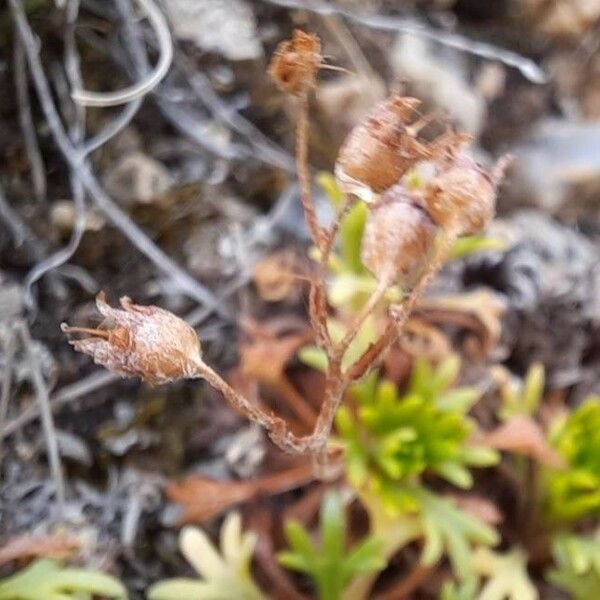
The Wedge-leaved Saxifrage is a resilient mountain dweller that hails from the rugged limestone cliffs of Northern Spain and the Pyrenees. Often nicknamed the "Stone-breaker" due to its genus name, this plant has a poetic reputation for seemingly splitting solid rock as it grows in narrow crevices. It forms lush, moss-like cushions that burst into a sea of delicate white blossoms when the weather warms.
🔍 How to Identify
- 🍃 The Foliage: The leaves are distinctly wedge-shaped (cuneate), featuring a narrow base that widens into three or more sharp lobes at the tip. They are often leathery and deep green.
- 🌸 The Flowers: It produces small, star-shaped white flowers with five petals. These grow in loose clusters atop thin, reddish stems that rise well above the leafy mat.
- ☁️ Growth Habit: This plant creates a dense, spreading "cushion" or mat. It is evergreen, providing a touch of green even in the middle of a harsh winter.
🏡 In Your Garden
- 🪨 The Drainage Rule: Because its ancestors live on vertical cliffs, this plant is "allergic" to standing water. It requires gritty, well-draining soil—ideally tucked into a rock garden or a stone wall where water can escape easily.
- 🏔️ Cool Roots, Sun-Kissed Leaves: While it enjoys the sun, it prefers its root system to stay cool. Planting it in a north-facing crevice or under the slight shadow of a larger rock helps mimic its natural alpine environment.
⚠️ Safety & Toxicity
- ✅ Status: Generally considered non-toxic.
- 🐾 Details: This Saxifrage is safe for gardens with curious pets or children. However, as with many alpine plants, the leathery leaves can be a choking hazard if swallowed in large quantities, and some people with very sensitive skin may experience mild irritation from the sap.
✨ Fun Fact
The name Saxifraga literally translates from Latin as "stone-breaker" (saxum meaning rock, and frangere meaning to break). While people once believed these plants actually cracked the mountainside, the name likely comes from its traditional medicinal use to treat "stones" in the body, such as kidney stones!

Detailed Care Instructions
To grow Saxifraga cuneata, also known as the silver saxifrage or bog saxifrage, follow these steps:
- Choose a suitable location: Saxifraga cuneata prefers moist, well-draining soil and partial shade. It can tolerate full sun in cooler climates, but avoid direct afternoon sun in warmer regions.
- Prepare the soil: Amend the soil with organic matter, such as compost or well-rotted manure, to improve drainage and fertility. The pH should be slightly acidic to neutral.
- Start from seeds or division: You can propagate Saxifraga cuneata by sowing seeds or dividing existing plants. If starting from seeds, plant them in early spring or late summer in a seed tray or small pots filled with a well-draining seed-starting mix. Gently press the seeds into the soil and keep them moist until germination, which usually takes about 2-3 weeks. If dividing, carefully separate the clumps and replant them immediately.
- Planting: Once the seedlings are large enough or if you've divided existing plants, transplant them into the prepared garden bed. Dig a hole slightly larger than the root ball and place the plant in, making sure the soil level matches the surrounding ground. Space the plants about 6-12 inches apart to allow room for spreading.
- Watering: Keep the soil consistently moist but not waterlogged. Water deeply and thoroughly whenever the top inch of soil feels dry to the touch. Reduce watering during the winter to prevent excessive moisture and root rot.
- Mulching: Apply a layer of organic mulch, such as shredded bark or leaf compost, around the plants to retain moisture, suppress weed growth, and protect the roots from temperature extremes.
- Fertilizing: Saxifraga cuneata does not typically require much fertilization. However, you can apply a slow-release granular fertilizer formulated for flowering plants in early spring or use a balanced liquid fertilizer diluted according to package instructions once every few months during the growing season.
- Pruning: Prune any dead or diseased foliage to promote plant health and aesthetics. In early spring, trim back any excessive growth to maintain compactness.
- Winter care: Saxifraga cuneata is hardy in USDA zones 3-8. In colder regions, mulch the base of the plant with straw or evergreen boughs to protect it from frost damage. Avoid excessive watering during the winter to prevent root rot.
- Maintenance: Provide regular care, including weeding, monitoring for pests and diseases, and occasional division if the plant becomes overcrowded.
Saxifraga cuneata plants require regular watering, as they prefer moist soil. However, it's important not to overwater them, as this can lead to root rot and other issues.
To water a Saxifraga cuneata plant, you can follow these steps:
- Check the soil moisture: Before watering your plant, check the soil moisture level by sticking your finger about 1 inch into the soil. If it feels dry at that depth, it's time to water.
- Use room temperature water: When watering your plant, use room temperature water to avoid shocking the roots with cold water.
- Water at the base: Instead of watering the leaves, aim your watering can or hose directly at the base of the plant. This will ensure the water gets to the roots where it's needed most.
- Don't let it sit in water: After watering your plant, make sure to empty any excess water from the saucer or container it's in. Saxifraga cuneata plants don't like to sit in water, as this can lead to root rot.
- Water regularly: Depending on the climate and humidity levels in your home, you may need to water your Saxifraga cuneata plant every few days or once a week. Keep an eye on the soil moisture and adjust your watering schedule as needed.
Remember to also provide your Saxifraga cuneata plant with plenty of light and a well-draining soil to help it thrive.
To fertilize this plant, apply a balanced fertilizer in early spring before new growth appears. Use a slow-release granular fertilizer and follow the recommended dosage. Avoid applying fertilizer directly to the foliage or the base of the plant. Water the soil well after fertilizing to ensure that the nutrients move into the root system. Repeat the fertilization process every 4-6 weeks during the growing season, up until early fall.
The ideal soil for Saxifraga Cuneata plant is a well-draining, slightly acidic soil with a pH range of 6.0 to 6.5. It should be rich in organic matter and should have a good balance of sand, silt, and clay.
The plant prefers moist, but not waterlogged soil and should be kept evenly moist throughout the growing season. To improve the drainage of heavy soils, adding a small amount of sand or gravel to the soil mix may help.
Avoid using heavy clay soils or those that retain too much water. Also, using soils that are too alkaline or contain too much lime can cause the plant to have iron deficiencies.
In summary, the ideal soil composition for Saxifraga Cuneata plant should be well-draining, slightly acidic, and rich in organic matter.
To propagate this plant, you will need to take stem cuttings from a mature plant. Select healthy stems that are at least four inches in length and have several sets of leaves. Using a sharp, clean pair of scissors or pruning shears, make a clean cut at a 45-degree angle just below a node (where a leaf attaches to the stem) to prevent damage to the plant. Remove any leaves from the bottom one-third of the cutting.
Next, place the stem cutting into a container filled with moist potting soil or a mixture of peat moss and perlite, leaving the top third of the cutting exposed. Firmly press the soil around the stem to ensure good contact and stability. Cover the container with a plastic bag or dome to create a humid environment and prevent the cutting from drying out. Place the container in a location that receives bright, indirect light, but avoid direct sunlight.
After about three to four weeks, the cutting should start to develop roots and new growth. Once the roots are established and the plant is showing new growth, you can remove the plastic covering and transplant it into a larger pot with well-draining soil. Water the plant regularly and provide it with bright, indirect light to promote healthy growth.








