Plant Overview
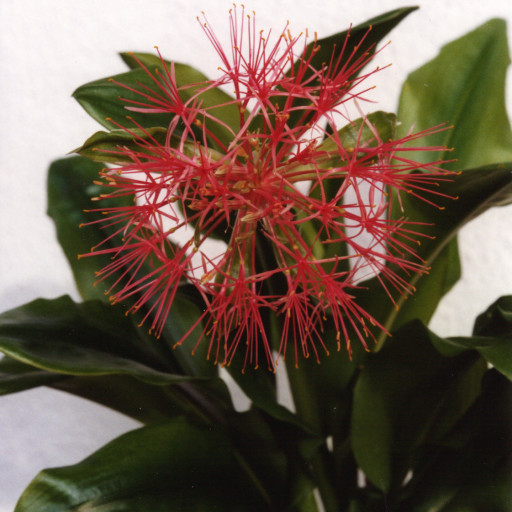
Commonly known as the Blood Lily or Fireball Lily, this South African showstopper is famous for its dramatic, spherical clusters of crimson flowers that look like miniature fireworks frozen in time. Often appearing before its leaves even emerge, it is a plant of transformation that signals the changing seasons in its native habitat.
🔍 How to Identify
- 🔴 The "Fireball" Bloom: A large, globe-shaped flower head (umbel) composed of up to 200 tiny, starry red florets, each tipped with bright yellow pollen.
- 🐆 Speckled Stems: The base of the leaf stalks often features distinct purple or reddish-brown spots, giving it a unique "leopard-print" look.
- 🍃 Lush Foliage: Large, elliptical leaves with wavy margins that grow from a "pseudo-stem" formed by the leaf bases.
🏡 In Your Garden
- 💤 The Need for Rest: This plant is a geophyte, meaning it grows from a bulb. It requires a mandatory dry dormancy period in the winter; if you keep watering it year-round, the bulb may rot or simply refuse to flower the following spring.
- 🌥️ Light & Drainage: While it loves warmth, it prefers "dappled" shade rather than scorching direct sun, which can bleach its vibrant red petals. It is extremely sensitive to waterlogged soil, so a gritty, well-draining cactus mix is its best friend.
⚠️ Safety & Toxicity
- 🚫 Toxic Status: Highly poisonous if ingested.
- 🐕 Details for Owners: The bulb contains various alkaloids (like lycorine) that are toxic to humans, cats, and dogs. Ingestion can cause severe stomach upset, salivation, and in rare cases, more serious neurological symptoms. Always wear gloves when handling the bulbs if you have sensitive skin.
✨ Fun Fact
In some parts of Africa, the toxic pulp of the Scadoxus multiflorus bulb was historically used by hunters to create poison for their arrows, highlighting the potent chemicals hidden beneath its beautiful exterior.

Detailed Care Instructions
| Color | Red |
| Soil Ph | Acidic, Neutral, Alkaline |
| Humidity | Normal |
| Lighting | Full Sun |
| Toxicity | Toxic |
| Soil Type | Loamy, Sandy, Moist But Well-Drained |
| Bloom Time | Summer, Fall |
| Difficulty | Medium |
| Plant Type | Perennial |
| Mature Size | 24 In. Tall, 15 In. Wide |
| Native Area | Africa |
| Temperature | 18°C - 25°C |
| Sun Exposure | Partial |
| Hardiness Zones | 9-11 |
To grow Scadoxus Multiflorus (also known as the Blood Lily), follow these steps:
- Choose a suitable location: Scadoxus Multiflorus prefers a partially shaded area with indirect sunlight. Avoid planting it in full sun, as it can scorch the leaves.
- Prepare the soil: The plant thrives in well-draining, rich and fertile soil. Mix organic matter, such as compost, into the soil before planting.
- Plant the bulb: Dig a hole that is two to three times the depth of the bulb. Place the bulb in the hole with the pointed side facing upwards. Cover the bulb with soil, leaving only the top visible.
- Watering: Water the plant thoroughly after planting, ensuring that the soil is evenly moist. As the plant grows, keep the soil slightly moist but not waterlogged. Avoid overwatering, as it can lead to root rot.
- Fertilizer: Apply a balanced, slow-release fertilizer in the spring, when new growth starts. Follow the package instructions for the recommended dosage.
- Mulching: Mulch the soil around the Scadoxus Multiflorus plant to help conserve moisture and suppress weed growth. Use organic materials like wood chips or straw, but avoid placing the mulch directly against the bulb.
- Temperature and humidity: These plants prefer temperatures between 60-80°F (15-27°C) and moderate humidity. If you live in a colder climate, consider growing Scadoxus Multiflorus in pots, which can be moved indoors during winter.
- Repotting: Scadoxus Multiflorus bulbs may benefit from repotting every few years as they grow. Wait until the plant is dormant before carefully lifting and dividing the bulb into smaller sections. Replant the divided bulbs, ensuring they have enough space to grow.
- Pests and diseases: Monitor the plant for signs of pests, such as aphids or spider mites, and treat them accordingly. Ensure good air circulation around the plant to prevent fungal diseases.
- Dormancy: Scadoxus Multiflorus bulbs naturally go through a dormant period. During this time, reduce watering and allow the plant to rest. The leaves may yellow and die back, but new growth will emerge when the dormancy period ends.
By following these guidelines, you can successfully grow a healthy Scadoxus Multiflorus plant.

Place in a bright room that is sun drenched almost all day. Or directly in a south-facing window.

Scadoxus Multiflorus plant should be watered regularly, ensuring that the soil is consistently moist but not waterlogged. It is important not to let the soil dry out completely, as this can cause stress to the plant and affect its growth. When watering, it is best to use room temperature or lukewarm water to avoid shocking the roots. The plant can be watered from the top or bottom, but care should be taken not to allow water to pool on the leaves or stem, as this can lead to rot or fungal infections. It is also important to avoid overwatering, as this can lead to root rot and other problems. In general, the plant should be watered more frequently during periods of active growth and less often during periods of dormancy.
To fertilize this plant, use a balanced fertilizer with equal amounts of nitrogen, phosphorous, and potassium. Apply the fertilizer every two weeks during the growing season, which is typically spring and summer. Mix the fertilizer with water and pour it onto the soil around the plant. Avoid getting fertilizer onto the leaves as it can cause damage. Water the plant regularly and ensure the soil is well-drained.
The ideal soil for this plant should be well-draining, loosely packed, and rich in organic matter. It should have a slightly acidic to neutral pH (around 6.0 to 7.0) and be able to retain moisture without becoming waterlogged. It is important that the soil is loose enough to allow for good airflow, which can help prevent fungal and bacterial diseases. A good soil mix for this plant may include a combination of peat moss, perlite, vermiculite, and well-aged compost. Fertilizing with a balanced, slow-release fertilizer every 2 - 3 months can also be beneficial for growth and blooming.
Scadoxus Multiflorus is a bulbous perennial plant that can be propagated through division or seed. To propagate through division, carefully dig up the plant when it is dormant and remove the bulbs from the soil. Separate the bulbs and replant them in their desired location, ensuring that the soil is well-draining and moist.
To propagate through seed, wait until the seed pods have matured and turned brown on the plant. Collect the pods and gently break them open to remove the seeds. Plant the seeds in well-draining soil, covering them with a thin layer of soil, and keep the soil moist. Seeds will germinate in about 2-3 weeks.
It is important to note that Scadoxus Multiflorus is toxic to humans and animals if ingested, so handle the plant with care and keep it away from pets and small children.
Common pests of the blood lily include Mealybugs, spider mites. Make a habit of checking your blood lily frequently for pests so that any infestations can be caught and managed early.








