Plant Overview
Known as Koheriki in its native New Zealand, Scandia rosifolia is a coastal treasure that bridges the gap between a delicate herb and a hardy shrub. Often called the Rose-leaved Parsley, it belongs to the carrot family (Apiaceae) but trades the typical feathery carrot foliage for glossy, serrated leaves that look remarkably like those of a miniature rose bush. This scrambling beauty is a rare find, often seen hugging sea cliffs or weaving through lowland forest margins.
🔍 How to Identify
- 🌿 The Foliage: The most striking feature is its compound leaves, which consist of 2 to 5 pairs of leaflets. These leaflets are leathery, sharply toothed, and have a deep green, waxy shine.
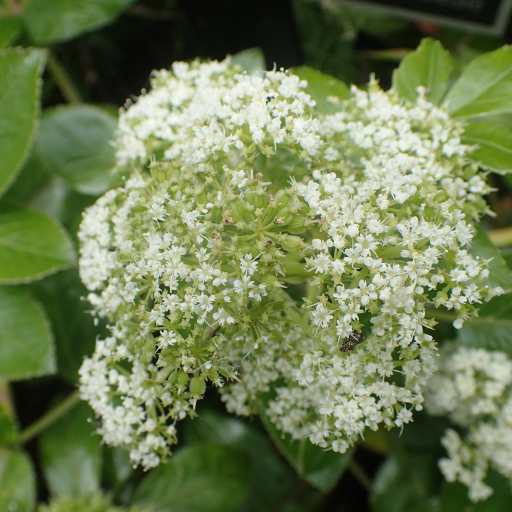
- 🌼 The Bloom: It produces "umbels"—flat-topped clusters of tiny, star-shaped white flowers. These delicate blooms appear in late spring and summer, acting like lacy landing pads for pollinators.
- 🌱 Growth Habit: This is a "scrambling" plant. It doesn't have tendrils to climb like a vine, but it will sprawl over rocks or lean on neighboring shrubs to find the sunlight.
🏡 In Your Garden
- 🌊 Coastal Resilience: Because it evolved on wind-swept cliffs, Koheriki is exceptionally tolerant of salt spray and rocky soils. It is perfect for "difficult" coastal gardens where other plants might wither.
- 📉 A Rare Guest: This plant is currently classified as "Nationally Vulnerable" in the wild due to habitat loss and browsing by animals. Cultivating it in your garden isn't just a design choice; it’s an act of botanical conservation.
- ☀️ Sun & Shade: It prefers its "feet" (roots) to be cool and shaded while its "head" (foliage) enjoys the sun. Providing a thick mulch can help mimic its natural forest-edge habitat.
⚠️ Safety & Toxicity
- 🐾 General Safety: Scandia rosifolia is not known to be highly toxic to humans or common household pets. However, it is not considered an edible plant for humans.
- 🧤 Sap Sensitivity: As a member of the Apiaceae family, its sap may cause mild skin irritation or photosensitivity (sun-induced rash) in sensitive individuals. It is best to wear gloves when pruning or handling broken stems.
✨ Fun Fact
Despite its name and appearance, Koheriki is more closely related to the giant Anisotome (Megaherbs) of the subantarctic islands than to the actual roses it mimics so well!

Detailed Care Instructions

To water this plant, it is important to first check the soil moisture level by sticking your finger about an inch into the soil. If the soil feels dry, it is time to water. Use room temperature water and avoid watering the leaves. Water until water begins to drain out the pot's drainage holes and empty the saucer beneath the pot. Allow the soil to mostly dry out before watering again, but do not let it become bone dry. It is important to maintain consistent watering to prevent the plant from becoming stressed.
Scandia Rosifolia plant prefers a soil that is well-draining, loamy, and rich in organic matter. The pH of the soil should be slightly acidic, between 6.0 and 6.5. Avoid using soil that is heavy in clay or sand as it can hold too much moisture or drain too quickly, respectively. A soil mix that includes equal parts of peat moss, perlite, and vermiculite with a small amount of compost can be a good option for Scandia Rosifolia plant. When planting, ensure that the soil is moist but not waterlogged, and provide adequate drainage to prevent root rot.








