Plant Overview
Commonly known as Crimson Bluestem, this striking perennial bunchgrass is the fiery soul of the American prairies and savannas. While it starts the season with subtle bluish-green tones, it earns its name—sanguineum (blood-colored)—when the weather cools, transforming into a spectacular display of deep mahogany and burnt orange. It is a favorite for naturalistic gardens and restoration projects seeking a touch of "wild" elegance.
🔍 How to Identify
- 🎨 The Foliage: Look for slender, upright leaf blades that transition from a dusty blue-green in spring to a vivid crimson or wine-red by late summer and autumn.
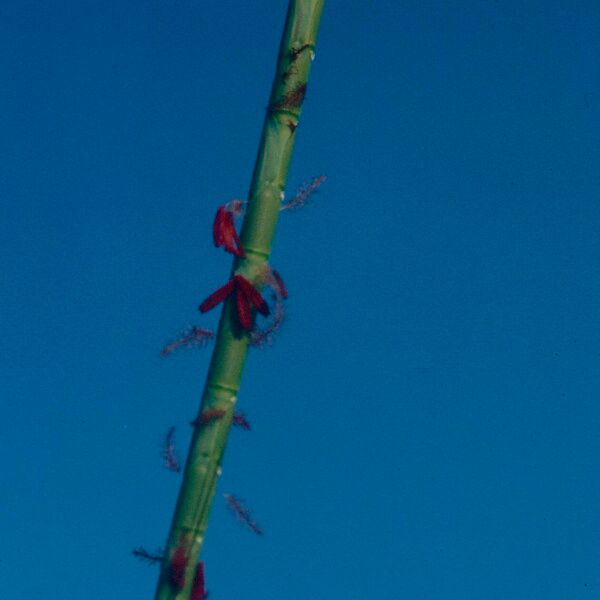
- 🌾 The Seed Heads: In late summer, the grass produces delicate, arching flower spikes that appear "fuzzy" or silvery due to tiny white hairs, which catch the sunlight beautifully.
- 🏗️ Growth Habit: It grows in distinct, tight clumps (bunchgrass) rather than spreading via a lawn-like mat, often reaching 2 to 4 feet in height.
🏡 In Your Garden
- 🏜️ Tough Love: This grass thrives on neglect. It prefers lean, sandy, or rocky soils; if the soil is too rich or over-fertilized, the tall stems may become "floppy" and lose their upright structure.
- 🦋 Wildlife Magnet: It serves as a vital host plant for several species of skipper butterflies. In the winter, its sturdy dried clumps provide essential nesting cover for ground-dwelling birds and beneficial insects.
⚠️ Safety & Toxicity
- ✅ Status: Non-toxic and safe.
- 🐾 Details: Crimson Bluestem is generally considered safe for dogs, cats, and livestock. While it is not a primary food source for pets, its rough texture may cause minor mouth irritation or an upset stomach if consumed in large quantities.
✨ Fun Fact
The "Bluestem" family is famous for having incredibly deep root systems—sometimes reaching up to 8 feet underground! This allows the plant to survive extreme droughts and even intense prairie fires that would kill other garden plants.

Detailed Care Instructions








