Plant Overview
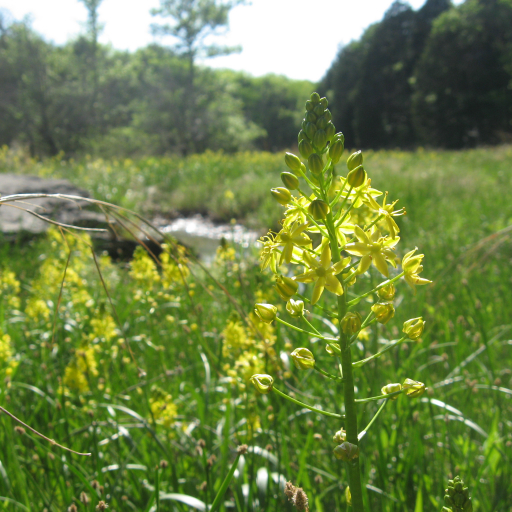
Often called the Yellow Sunnybell or Golden Sunnybell, Schoenolirion croceum is a radiant spring wildflower native to the southeastern United States. These plants are the "early birds" of the wetlands, appearing like sprays of tiny golden stars trapped on grassy stalks. In the wild, they are often seen illuminating pine savannas and moist meadows as the landscape transitions from winter to spring.
🔍 How to Identify
- 🌼 Starry Blooms: Features clusters of small, bright yellow flowers with six distinct petals (tepals) that spread out in a perfect star shape.
- 🌾 Grassy Foliage: Long, narrow, bright green leaves that emerge primarily from the base of the plant, mimicking the look of thick ornamental grass.
- 📏 The Scape: A tall, leafless flower stalk (called a scape) that rises well above the foliage, ensuring the flowers are visible to passing pollinators.
🏡 In Your Garden
- 💧 The "Wet Feet" Rule: These plants are naturally found in bogs and seepage slopes. They require consistently moist, even boggy, soil and do not tolerate drought well during their growing season.
- ☀️ Sun Seekers: To get the best floral display, they need plenty of direct sunlight. In shadier spots, the flower stalks may become weak or "leggy" as they stretch toward the light.
- 🌱 Bulbous Roots: Because they grow from a bulb, they are sensitive to frequent transplanting. It is best to choose a permanent, sunny spot with acidic soil where they can naturalize and spread over time.
⚠️ Safety & Toxicity
- 🐾 Pet Safety: While it is not a "true lily" (which are famously deadly to cats), it belongs to the broader Asparagaceae family. It is considered low-toxicity, but ingestion can still cause mild stomach upset in curious pets.
- 🧒 Child Safety: Generally safe for gardens, though the bulbs should not be consumed. Always supervise small children around garden plants to prevent accidental ingestion.
✨ Fun Fact
📜 The name Schoenolirion is derived from the Greek words schoinos (meaning "rush") and leirion (meaning "lily"). This literally translates to "Rush-Lily," perfectly describing its appearance as a lily-like flower growing among marshy rushes!

Detailed Care Instructions
To grow a Schoenolirion Croceum plant, here are some steps you can follow:
- Choose the right location: Select a spot that receives bright indirect sunlight or partial shade. This plant prefers warm temperatures and high humidity levels.
- Pot and soil: Use a well-draining potting mix that is rich in organic matter. A pot with drainage holes is crucial to prevent waterlogging. Choose a container that provides enough space for root growth.
- Watering: Keep the soil evenly moist, but not waterlogged. Water the plant when the top inch of soil feels dry. Avoid letting the soil completely dry out or keeping it constantly wet.
- Humidity: Maintain a humid environment for the plant. You can achieve this by misting the leaves with water regularly or placing a tray of water near the plant to increase humidity through evaporation. A humidifier can also be used.
- Fertilization: Feed the plant with a balanced liquid fertilizer during the growing season (spring and summer) about once every 2-4 weeks. Follow the instructions on the fertilizer packaging for the correct dilution ratio.
- Pruning: Prune away any dead or yellowing leaves to maintain the plant's appearance and overall health. You can also remove any side shoots or extra foliage to promote a bushier growth.
- Propagation: Schoenolirion Croceum can be propagated through division. Wait until the plant is mature enough, then carefully separate the offshoots from the parent plant and plant them in separate pots with fresh potting soil.
- Pests and diseases: Monitor the plant for common pests like mealybugs, spider mites, or scale insects. Treat any infestation immediately with insecticidal soap or neem oil. Protect your plant from extreme temperature changes to prevent issues like leaf spotting or yellowing.
Remember to research specific care requirements for your Schoenolirion Croceum plant to ensure its optimal growth.

To effectively water the Schoenolirion croceum plant, it is important to consider various factors to ensure optimal growth and health. Follow these detailed instructions for watering this specific plant:
1. Understanding moisture requirements: The Schoenolirion croceum plant prefers moderately moist soil. It is essential to maintain a balance between providing enough water for the plant's needs while avoiding waterlogging or excessive dryness.
2. Check soil moisture levels: Before watering, check the soil moisture by inserting your finger or a moisture meter into the soil. Ensure the top inch or so is slightly dry to the touch, indicating the need for watering.
3. Watering frequency: During the active growing season, typically in spring and summer, water the plant once the top layer of soil becomes slightly dry. This is usually around once every 7-10 days, but it may vary depending on factors like temperature, humidity, and pot size.
4. Watering method: Use a watering can, hose with a fine nozzle, or a drip irrigation system to water the Schoenolirion croceum plant. Apply water directly to the soil, ensuring it reaches the root zone. Avoid overhead watering that wets the foliage excessively, as this can lead to fungal diseases.
5. Watering volume: Water the plant deeply, allowing water to penetrate the soil and reach the roots. Aim to moisten the entire root zone, which extends about 6-8 inches below the surface. Ensure the water reaches the bottom of the pot if the plant is in a container.
6. Drainage: It is crucial to ensure proper drainage to prevent waterlogging. The Schoenolirion croceum plant does not tolerate standing water. Ideally, the plant should be potted in a container with drainage holes or planted in well-draining soil in the garden.
7. Mulching: Applying a layer of organic mulch, such as wood chips or compost, around the base of the plant can help conserve moisture in the soil and reduce water evaporation. This can also aid in maintaining more stable moisture levels.
8. Seasonal adjustments: During the dormant period, which typically occurs in the fall and winter, reduce the frequency of watering. As the plant becomes less active, water sparingly, but ensure the soil doesn't completely dry out.
Remember that environmental conditions and the specific planting location can influence watering requirements. Always monitor the moisture levels and adjust watering accordingly to maintain a healthy Schoenolirion croceum plant.
To fertilize the Schoenolirion Croceum plant, use a balanced, water-soluble fertilizer designed for indoor or outdoor plants. Dilute the fertilizer in water as per the instructions on the packaging. During the active growing season, apply the fertilizer to the plant's soil every two to four weeks. Make sure to water the plant thoroughly after applying the fertilizer to help it absorb the nutrients. Avoid over-fertilizing, as this can lead to nutrient burn or other damage to the plant. Lastly, take into consideration the specific needs of the plant's growth stage and adjust the fertilizing frequency and dosage accordingly.
The Schoenolirion Croceum plant benefits from a specific type of soil in order to thrive. It requires a well-draining soil that is slightly acidic to neutral in pH. It is recommended to use a loamy soil that is rich in organic matter, such as compost or peat moss.
Additionally, the soil should be moisture-retentive to ensure proper hydration for the plant, but it is crucial to avoid waterlogged conditions, as excessive moisture can lead to root rot. Adding perlite or sand to the soil mixture can help improve drainage.
The plant enjoys a slightly fertile soil, so adding a slow-release balanced fertilizer during the growing season can provide the necessary nutrients. However, avoid excessive fertilization as it can lead to overgrowth and weak stems.
It is crucial to regularly check the moisture levels of the soil and water the plant accordingly. Watering should be done when the top inch of the soil feels dry to the touch. Maintaining a consistent humidity level, around 50%, is also beneficial for the plant's well-being.
Overall, choosing the right soil that provides adequate drainage, moisture retention, and slight fertility is essential for the optimal growth and health of the Schoenolirion Croceum plant.
Propagation of Schoenolirion Croceum can be achieved through various methods. One commonly used method is through division. Here is a detailed guide on how to propagate Schoenolirion Croceum:
- Timing: The best time to divide Schoenolirion Croceum is during the early spring or fall when the plant is dormant, and temperatures are mild.
- Preparation: Before dividing the plant, prepare a clean and sharp garden knife or shovel. Also, prepare a pot with well-draining soil or a new planting location in the garden.
- Plant Division: Carefully dig up the entire clump of Schoenolirion Croceum from the ground, ensuring to disturb the roots as little as possible. Gently separate the clump into smaller sections, making sure that each section has a healthy root system.
- Cleaning: Inspect the divided sections for any dead or damaged roots or foliage. Trim off any unwanted or unhealthy parts using sterilized gardening shears.
- Planting: If propagating in a pot, fill it with a well-draining potting mix. Make a small hole in the soil and place each divided section into the hole, ensuring that the roots are covered and the plant is secured firmly in the soil. If planting in the garden, choose a suitable spot with well-draining soil and dig a hole deep enough to accommodate the divided section. Place the plant into the hole, backfill with soil, and gently press the soil around it.
- Watering: After planting, water the newly divided Schoenolirion Croceum thoroughly to settle the soil around the roots. Ensure that the soil remains slightly moist, but not waterlogged, during the propagation process. Avoid overwatering, as it may lead to root rot.
- Care: Provide the propagated plant with appropriate care. Keep the soil moist but avoid waterlogged conditions. Place the plant in a location that receives partial to full sun, depending on the plant's light requirements. Protect the plant from extreme temperatures, frost, and strong winds.
- Monitoring: Regularly monitor the propagated Schoenolirion Croceum for signs of growth and ensure it remains healthy. It may take several weeks for the plant to establish and begin showing new growth.
By following these steps, you can successfully propagate Schoenolirion Croceum and expand your collection or share it with others who appreciate its beauty.








