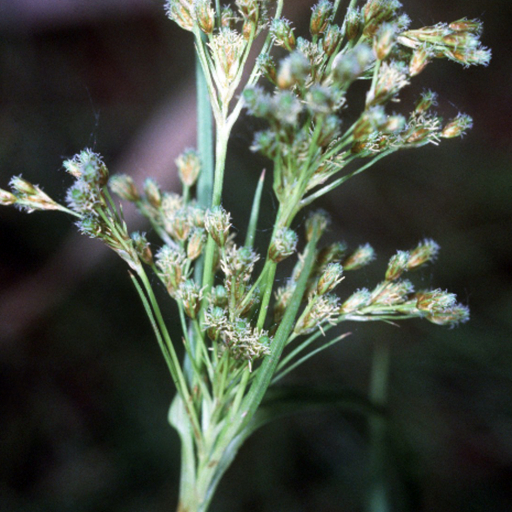
Plant Overview
Often called the Drooping Bulrush or "Nodding Bulrush," this elegant North American native looks like a fountain of greenery frozen in a moment of prayer. It is famous for its heavy, rust-colored seed clusters that bow gracefully toward the earth, giving it a poetic, weeping silhouette. While it may look like a common grass at first glance, its unique "nodding" habit makes it a standout choice for anyone looking to add a touch of wild, architectural beauty to a water feature.
🔍 How to Identify
- 📐 Triangular Stems: Like many sedges, it follows the rule "sedges have edges." If you roll the stem between your fingers, you’ll feel three distinct flat sides.
- 🌾 Nodding Spikelets: The seed heads (spikelets) are held on long, slender stalks that droop downward. They transition from a lime green to a deep, rusty brown as they mature.
- 🌿 Leafy Texture: The plant produces long, flat, grass-like leaves that are mostly concentrated at the base but also appear along the stem, giving it a lush, full appearance.
🏡 In Your Garden
- 💧 The "Wet Feet" Rule: This plant thrives where most others drown. It is perfect for "rain gardens" or low spots in your yard that stay soggy after a storm. It prefers its roots to be consistently moist.
- 🛑 Erosion Control: Because it forms dense, fibrous root clumps, it is a superstar at holding soil together. It’s often used by conservationists to stabilize the banks of ponds or slow-moving streams.
- ☀️ Sun Seeker: While it can handle a little dappled shade, it reaches its full, arching glory in full sun. In too much shade, the stems may become floppy and lose their signature "pendulous" charm.
⚠️ Safety & Toxicity
- ✅ Non-Toxic: Scirpus pendulus is generally considered safe and non-toxic for humans, cats, and dogs.
- ✂️ Sharp Edges: While not poisonous, the edges of the leaves and the triangular stems can be somewhat coarse or sharp. Handle with gardening gloves if you are doing extensive pruning to avoid "grass cuts" on your skin.
✨ Fun Fact
Botanists use a famous rhyme to identify plants like this: "Sedges have edges, rushes are round, and grasses are hollow straight to the ground." Because of its triangular stem, the Drooping Bulrush is a true sedge, even though its common name says "Bulrush"!

Detailed Care Instructions
To grow Scirpus pendulus, also known as pendulous bulrush or pendulous club-rush, you can follow these steps:
- Select the right location: Scirpus pendulus thrives in moist to wet soil conditions and prefers full sun or partial shade. Choose a location in your garden or landscape that provides these conditions.
- Prepare the soil: Ensure the soil is rich in organic matter and well-draining. If the soil is heavy and poorly drained, consider improving it by adding compost or well-rotted manure to increase fertility and drainage.
- Planting: Scirpus pendulus can be propagated by seeds, dividing clumps, or by planting sections of rhizomes. If using seeds, sow them directly into the wet soil or sow them on a seed tray and transplant seedlings later. For dividing clumps or planting rhizomes, carefully separate them and transplant into the prepared soil, ensuring they are adequately spaced.
- Watering: Water the plants consistently, especially during dry periods or if they are newly established. The soil should remain consistently moist, but not waterlogged, as Scirpus pendulus prefers wet conditions.
- Mulching: Apply a layer of organic mulch, such as straw or bark chips, around the plants to help retain moisture, suppress weed growth, and regulate soil temperature.
- Maintenance: Remove any dead or damaged foliage regularly to keep the plant healthy and tidy. Monitor for pests and diseases, although Scirpus pendulus is generally quite resilient.
- Propagation: If you wish to propagate more plants, Scirpus pendulus can be divided every few years in early spring or fall. Dig up the clumps and carefully separate them into smaller sections, ensuring each section has a good portion of rhizome attached. Replant the divisions promptly.
- Winter care: Scirpus pendulus is hardy and can tolerate frost. However, in colder regions, you may want to apply a thick layer of mulch around the plants to protect them during freezing temperatures.
By following these steps, you should be able to successfully grow Scirpus pendulus in your garden or landscape.

Place in a bright room that is sun drenched almost all day. Or directly in a south-facing window.

To properly water a Scirpus Pendulus plant, you should first assess the soil moisture level by sticking your finger into the soil to a depth of about 1-2 inches. If the soil feels dry to the touch, then it is time to water the plant. Use a watering can or hose with a gentle stream to slowly saturate the soil around the base of the plant. Avoid getting water directly on the plant's foliage, as this can lead to mold and disease. Allow the water to soak in and drain, then check the soil moisture level again in a few days to determine if it needs more watering. It is important not to overwater this plant, as it prefers moist but well-draining soil and can suffer from root rot if kept too wet.
To fertilize this plant, use a balanced, all-purpose fertilizer with equal amounts of nitrogen, phosphorus, and potassium. Apply the fertilizer in the early spring before new growth starts and again in early summer as needed. Follow the manufacturer's instructions for application rates and frequency. Water the plant thoroughly after fertilizing to help the nutrients reach the roots.
The ideal soil for the Scirpus Pendulus plant should be rich in organic matter and moisture-retentive. The soil should be well-draining, without being excessively sandy. A pH range of 5.0 to 7.5 is ideal for this plant. The soil should be free from any pollutants and contaminants that may harm the plant's growth. It's important to avoid over-fertilizing the soil, as this may result in excessive growth and bulking up of the plant's stems. The use of organic fertilizers or slow-release fertilizers may be beneficial in promoting healthy growth.
To propagate this plant, you will need to carefully collect seeds from mature plants. These seeds can then be sown in moist soil and kept in a warm, bright area for germination. Alternatively, you can propagate the plant through division of the rhizomes. To do this, carefully dig up the plant and separate the rhizomes, ensuring that each division has its own roots and stems. These can then be planted in moist soil and kept in a warm, bright area until they establish themselves. It is important to keep the soil consistently moist during the propagation process, and to avoid disturbing the plants too much as they take root.








