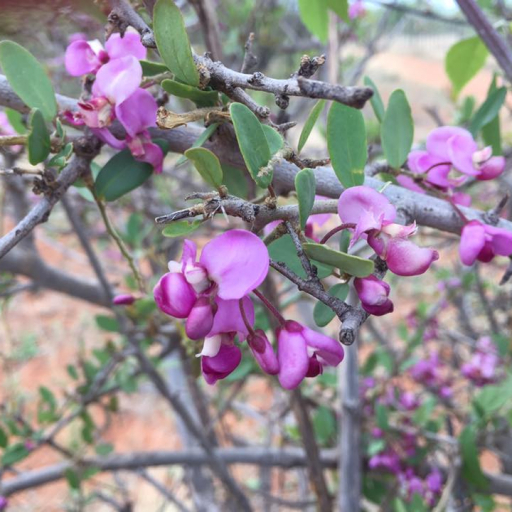
Plant Overview
Known across Africa as the "Mother of All Medicines," the Violet Tree is a botanical treasure of the savannah. Despite its delicate, butterfly-like flowers and sweet, powdery fragrance, this tree is a rugged survivor capable of enduring harsh droughts. It is deeply rooted in African folklore, where it is whispered to hold the power to treat everything from a simple headache to warding off evil spirits.
🔍 How to Identify
- 🌸 The Flowers: Small, vibrant purple or pink blossoms that closely resemble pea flowers. They bloom in showy sprays and emit a heavy, violet-like scent that can be smelled from meters away.
- 🦳 The Bark: The trunk is remarkably smooth and pale, ranging from light grey to creamy white, which stands out beautifully against the green foliage.
- 🚁 The Fruit: It produces unique, single-winged seeds (samaras) that look like half a dragonfly wing. These allow the seeds to spin through the air like miniature helicopters when they fall.
🏡 In Your Garden
- 🌱 Root Sensitivity: This tree is famously difficult to transplant. It possesses a sensitive root system that often forms "hemiparasitic" connections with nearby grasses or trees to survive, meaning it hates being moved once settled.
- ☀️ Sun & Soil: It thrives in hot, arid conditions and prefers sandy, well-drained soil. In a garden setting, it requires a "tough love" approach—plenty of sun and very little interference once established.
⚠️ Safety & Toxicity
- 🚫 Status: Potentially Toxic / Use with Caution.
- 💊 Details: The roots contain high concentrations of methyl salicylate (which smells like wintergreen). While used in traditional medicine, it can be highly toxic or even fatal if ingested in large quantities. It is best treated as an ornamental plant; keep children and pets from chewing on the roots or bark.
✨ Fun Fact
The roots of the Violet Tree are so chemically potent that they are often used as a natural snake repellent. The pungent, minty-chemical odor of the crushed roots is said to be so overwhelming that snakes will actively avoid any area where the scent lingers.

Detailed Care Instructions
The watering needs of this particular plant species can vary depending upon several factors, such as the size of the plant, the quality of the soil, the climate, and the overall level of humidity in the air. It is generally recommended that this plant be watered deeply and infrequently, with the soil being allowed to dry out somewhat between watering sessions. Care should be taken not to overwater the plant, as this can cause root rot and other problems. Additionally, it is important to provide adequate drainage for the soil, as waterlogged soil can also lead to issues with root health and overall plant vitality. Finally, it is always a good idea to monitor the moisture level of the soil regularly, perhaps by using a moisture meter or simply by sticking your finger into the soil to determine its level of moistness.
Securidaca Longipedunculata grows best in well-draining soil that is slightly acidic. The soil should be rich in nutrients, particularly nitrogen and phosphorus, to support healthy growth and development. It is important to avoid using soil that is compacted or heavy, as this can prevent root growth and lead to problems with waterlogging. A sandy loam or loamy soil is ideal, as it provides good drainage and aeration while retaining moisture and nutrients. When planting Securidaca Longipedunculata, it is recommended to incorporate a high-quality organic compost or fertilizer into the soil to boost its nutrient content and improve overall soil quality. Regular mulching can also help conserve moisture and protect the roots of the plant.








