Plant Overview
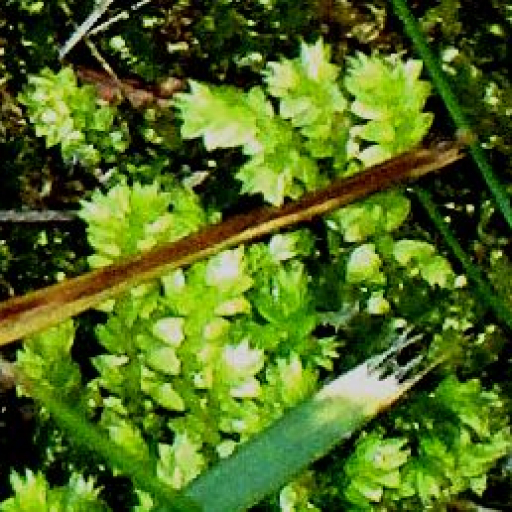
Often called the Meadow Spikemoss, this delicate, creeping green carpet is a living relic from a time before flowers even existed. While it mimics the soft look of a moss, it is actually a "fern ally," a primitive vascular plant that reproduces via spores. In its native Eastern North American habitats, it weaves through damp meadows and stream banks like a lush, living lace.
🔍 How to Identify
- 🌿 The Foliage: Tiny, light-green, scale-like leaves that overlap along the stems, giving the plant a feathery or "braided" appearance.
- 📏 Growth Habit: It is a prostrate, mat-forming plant that rarely grows taller than an inch or two but spreads horizontally to cover the soil.
- 🍦 The Spore Cones: Look closely at the tips of the branches; you’ll find small, yellowish, four-angled structures called "strobili" which house the plant’s spores.
🏡 In Your Garden
- 💧 The Humidity Factor: This plant is a "humidity hog." Unlike many houseplants, it lacks a thick waxy coating on its leaves, meaning it loses moisture rapidly. It is happiest in a closed terrarium where the air stays thick and misty.
- 🌥️ Light & Soil: It hates the spotlight. In a garden or home, it requires deep to partial shade and soil that stays consistently "marshy." If the soil dries out even once, the delicate stems may turn brown and brittle beyond recovery.
⚠️ Safety & Toxicity
- ✅ Safe Status: Selaginella apoda is generally considered non-toxic to humans and common household pets like cats and dogs.
- 🦎 Terrarium Safe: Because it is non-irritating and loves moisture, it is a top-tier choice for bioactive enclosures housing frogs, salamanders, or small reptiles.
✨ Fun Fact
- 🦕 Ancient Ancestry: Spikemosses belong to a lineage of plants that has remained largely unchanged for over 300 million years. While your Meadow Spikemoss is tiny, its prehistoric ancestors grew into massive, 100-foot-tall trees that formed the Earth's first great forests!

Detailed Care Instructions
To grow Selaginella Apoda, also known as the spikemoss plant, you can follow these steps:
- Obtain a Selaginella Apoda plant or spores: You can purchase a potted plant or acquire spores to start growing the plant from scratch.
- Choose an appropriate growing medium: Spikemoss plants prefer a well-draining soil mix that is rich in organic matter. A mixture of equal parts peat moss, perlite, and coarse sand or bark can be a good choice.
- Planting: If you have obtained a potted plant, simply transfer it to a slightly larger pot with proper drainage holes. If you are starting from spores, sprinkle them evenly on the soil surface.
- Light requirements: Selaginella Apoda prefers bright indirect light. Place the plant in a location with bright, filtered light away from direct sunlight.
- Temperature and humidity: Spikemoss plants thrives in tropical or subtropical environments. Maintain a temperature range of around 60-80°F (15-26°C). They also prefer high humidity levels, so misting the plant regularly or placing it on a tray filled with water and pebbles can help increase humidity.
- Watering: Keep the soil moist but not waterlogged. Water when the top inch of soil feels dry. Avoid overwatering, as it can lead to root rot.
- Fertilization: Feed the plant with a balanced houseplant fertilizer diluted to half strength once a month during the growing season (spring to fall).
- Pruning: Prune any dead or yellowing foliage to maintain the plant's appearance and encourage new growth.
- Propagation: Selaginella Apoda can be propagated by division. Gently separate the plant into smaller sections, ensuring each section has roots attached. Plant these sections in separate pots, and care for them as you would for an established plant.
- Monitoring pests and diseases: Keep an eye out for common houseplant pests such as mealybugs and spider mites. Treat any infestations promptly with appropriate organic or chemical controls.
By following these guidelines, you should be able to successfully grow a Selaginella Apoda plant.

Place in a dark room with little light, like a dark bedroom or a spot far away from a window or directly in a north-facing window.

The Selaginella Apoda plant is a type of fern that requires a specific watering routine in order to thrive. To water this plant, it is important to follow a few key steps:
1. Before watering, ensure that the soil is completely dry to the touch. This will help prevent over-watering and root rot.
2. Use room temperature water to avoid shocking the plant with extreme temperatures.
3. Water the plant at the soil level, aiming for the soil rather than the leaves. This will help prevent fungal growth and ensure that the water reaches the plant's roots.
4. Water the plant until the soil is thoroughly saturated, but avoid letting the pot sit in standing water. Empty any excess water from the saucer or tray underneath the pot.
5. During winter months or when the plant is in a dormant phase, reduce the frequency of watering to keep the soil evenly moist but not waterlogged.
Following these watering guidelines will help keep your Selaginella Apoda plant healthy and thriving.
You can fertilize your Selaginella Apoda plant by using a balanced liquid fertilizer to give it essential nutrients. Dilute the fertilizer to half strength and apply it once a week during the growing season. It is important not to over-fertilize the Selaginella Apoda plant, as it can lead to the burning of its foliage. Additionally, make sure to water the plant thoroughly before fertilizing to avoid root damage.
Selaginella Apoda plant prefers well-draining soil that is rich in organic matter. The soil should be slightly acidic with a pH range of 5.5 to 6.5. A combination of peat moss, perlite or vermiculite, coarse sand, and loamy soil would make an ideal growing medium for this plant. The soil should not be overly compacted as the plant requires good air circulation around its roots. It's best to avoid heavy, clayey soils as they retain more moisture and may cause root rot. Instead, go for a light, fast-draining mix that will allow water to run through easily without getting soggy. You can mix your own potting soil or buy a pre-mixed soil blend that is suitable for ferns and other moisture-loving plants.
Selaginella Apoda can be propagated through spores or stem cuttings.
To propagate through spores, first, you need to identify a mature Selaginella Apoda plant that has produced spores. The spores usually appear as small, black dots on the underside of the leaves.
Next, collect the spores by gently shaking the plant over a paper or container. The spores will fall off and collect on the paper/container. Then, you need to sterilize a potting mix and a container where you will sow the spores.
Mix the spores with the potting mix and place the mixture into the container. Keep the container in a humid place with low light. After a few weeks, you will notice tiny green plants emerging from the soil, let them grow for a few months before transferring them to a new container or planting them in the garden.
To propagate through stem cuttings, first, select a healthy stem from the parent plant. Make a clean cut about 2-3 inches from the tip of the stem. Remove the leaves from the bottom half of the stem, leaving only a few at the top.
Dip the cut end into rooting hormone powder and plant the stem cutting in a potting mix. Keep the potting mix moist and place it in a location with bright, indirect light. After a few weeks, you will notice new growth from the cutting.
Keep the new plant in the pot until it has established a good root system. Then, you can transplant it to a new container or plant it in the garden.








