Plant Overview
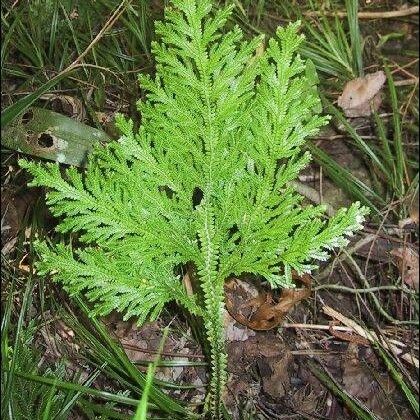
Often called the Wolf-tail Spikemoss, Selaginella hordeiformis looks like a miniature, lush forest from a dinosaur era. Despite the "moss" in its name, it is actually a "fern ally," tracing its lineage back over 400 million years. Its elegant, upright fronds and unique texture make it a prized specimen for indoor glass gardens and shady tropical collections.
🔍 How to Identify
- 🌿 The Fronds: Features delicate, scale-like leaves (microphylls) that overlap closely, giving the branches a flat, fan-like appearance similar to a cedar branch.
- 🌾 Barley-like Tips: The species name hordeiformis literally means "barley-shaped," referring to the distinct reproductive cones at the tips of the branches that resemble grains of barley.
- 📐 Growth Habit: Unlike many creeping spikemosses, this variety grows in an upright, bushy manner, often reaching about 12 inches in height, resembling a tiny, prehistoric tree.
🏡 In Your Garden
- 💧 The Humidity Requirement: This plant is a "humidity hog." It thrives in terrariums or Wardian cases because its thin, scale-like leaves lose water rapidly. If the air is too dry, the tips will quickly turn brown and crispy.
- 🌑 Shade Seeker: In its native Southeast Asian habitats, it lives on the dim forest floor. Direct sunlight is its enemy; it prefers dappled light or full shade, making it perfect for those "low light" corners where other plants struggle.
- 🌱 Substrate Nuance: It dislikes heavy, compact soil. It prefers a loose, peat-based or sphagnum moss mix that stays consistently damp but allows air to reach the roots to prevent rot.
⚠️ Safety & Toxicity
- ✅ Non-Toxic: Selaginella hordeiformis is generally considered non-toxic to cats, dogs, and humans. It is a very "safe" choice for a household with curious pets.
- ✋ Physical Fragility: While it isn't poisonous, the plant is physically delicate. Frequent handling or "petting" the foliage can damage the cells and lead to browning, so it is best enjoyed as a "look-but-don't-touch" specimen.
✨ Fun Fact
[🕰️] A Living Fossil: Spikemosses are among the oldest lineages of vascular plants on Earth. While the Selaginella in your pot is small, its ancestors during the Carboniferous period grew into massive trees over 100 feet tall, forming the vast coal swamps that fuel parts of the world today!

Detailed Care Instructions

Place in a dark room with little light, like a dark bedroom or a spot far away from a window or directly in a north-facing window.
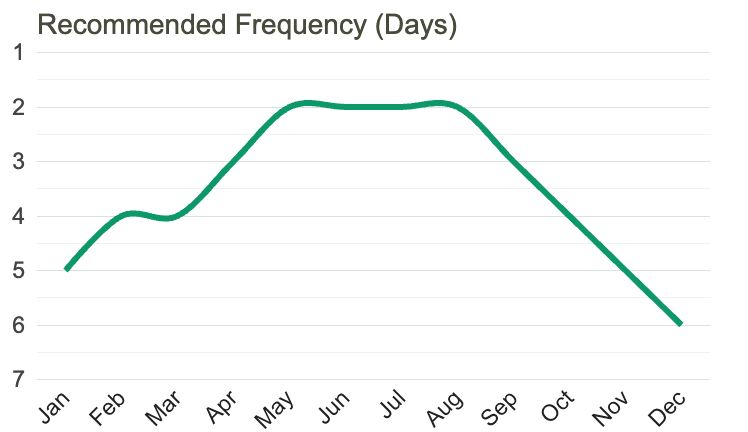
Water-loving plants flourish in wet or sloppy soil and near ponds. The extensive root system enables these plants to absorb plenty of water. The surface of the soil should be kept moist at all times. Place your pot in a container filled with water to guarantee that plants get enough water. If the ground becomes dry, it is recommended that you water it well. Plants in smaller pots will need to be watered more frequently. Water the soil in which the plant is standing thoroughly using a watering can.








