Plant Overview
Often called the "Queen of the Night" or "Pitahaya," Selenicereus undatus is a dramatic climbing cactus that produces the world-famous Dragon Fruit. Native to Central America, it has earned its mythical name from the vibrant, scaly pink fruit that looks like it belongs in a dragon's hoard. It is a true spectacle for the patient gardener, rewarding them with massive, fragrant blooms that rival the moon in beauty.
🔍 How to Identify
- 🌵 Triangular Stems: Fleshy, green, segmented stems that feature three wavy ribs. They use aerial roots to "climb" up trees or walls.
- 🌸 Ghostly Flowers: Massive, bell-shaped white blooms (up to 14 inches long) that feature a crown of yellowish stamens.
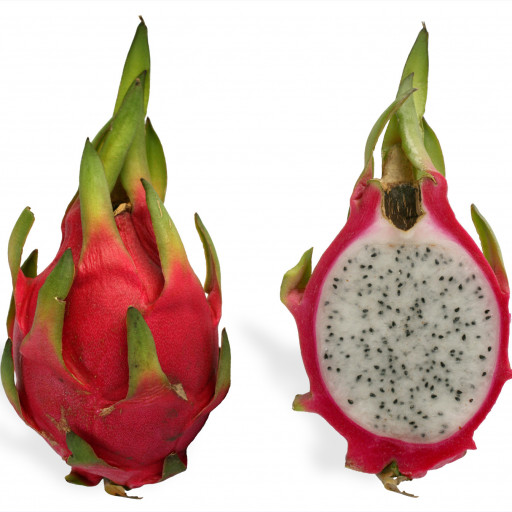
- 🐉 Dragon Skin: Oval fruit with a leathery, bright pink-to-red skin covered in fleshy green "scales" or bracts. The interior is typically white with thousands of tiny, edible black seeds.
🏡 In Your Garden
- 🧗 The Need for Support: Because this is an epiphytic cactus (it naturally grows on other plants), it lacks a sturdy trunk. You must provide a heavy-duty trellis or post; without one, the plant will sprawl along the ground and produce significantly less fruit.
- ☀️ Sun Nuance: While it craves light to produce fruit, the stems can actually "sunburn" in extreme, direct afternoon heat. It thrives best in bright, dappled sunlight or locations with morning sun and afternoon shade.
- 🏜️ Soil & Drainage: It hates "wet feet." Use a very porous cactus mix and a pot with excellent drainage. It prefers more frequent watering than a desert cactus, but the soil should never stay soggy.
⚠️ Safety & Toxicity
- ✅ Edible Superfood: The fruit is non-toxic, delicious, and packed with antioxidants. It is safe for humans and even a healthy treat for many pets in moderation.
- 🐾 Pet Safety: The plant itself is considered non-toxic to cats and dogs. However, the stems have small, sharp spines along the edges that can cause mouth irritation if a curious pet tries to take a bite.
- 🧤 Pruning Protection: Always wear thick gloves when handling the plant. The spines are small but can easily lodge in the skin and cause discomfort.
✨ Fun Fact
🌙 The flowers are the ultimate "one-hit wonders" of the botanical world. They bloom for exactly one night, opening at dusk and wilting forever by the first light of dawn. In the wild, they rely almost exclusively on nectar-drinking bats and large moths to pollinate them under the cover of darkness.

Detailed Care Instructions
To grow a Selenicereus Undatus plant (also known as Dragon Fruit Cactus), you can follow these steps:
- Choose a suitable location: Dragon Fruit Cactus thrives in full sun, so choose a spot that receives at least 6 hours of direct sunlight per day. If you live in a colder climate, consider growing it in a pot that you can move indoors during the winter.
- Prepare the soil: Dragon Fruit Cactus prefers well-draining soil. You can mix equal parts of cactus potting mix and perlite to ensure good drainage. If growing in a pot, ensure it has drainage holes at the bottom.
- Sow the seeds or plant a cutting: You can either start from seeds or plant a cutting. If using seeds, soak them in water for a day before planting. If using a cutting, allow it to dry for a few days before planting.
- Planting: For seeds, plant them about a quarter-inch deep into the soil. For cuttings, dig a small hole and place the cutting into it, patting the soil gently around it.
- Watering: Water the plant thoroughly after planting and then water it regularly to keep the soil consistently moist. However, make sure not to overwater as the roots can rot. Allow the top inch of soil to dry out slightly before watering again.
- Fertilizing: Use a balanced fertilizer specifically formulated for cacti or succulents. Apply it according to the package instructions, typically once a month during the growing season (spring and summer).
- Support: Dragon Fruit Cactus is a climbing plant, so it needs support as it grows. You can provide a trellis or stake to help it climb and prevent it from sprawling on the ground.
- Pruning: Trim off any dead or damaged parts of the plant to maintain its overall health and appearance. You can also prune back excessive growth to control the size and shape of the plant.
- Harvesting: Dragon Fruit Cactus typically takes 1-2 years to produce fruit. The fruit will be ready to harvest when it reaches full size and turns a bright, vibrant color. Simply twist or cut the fruit from the stem.
- Protection: In colder climates, provide protection or move the plant indoors during winter to prevent damage from frost.
Remember to be patient, as Dragon Fruit Cactus can take time to establish and produce fruit. With proper care and attention, you can successfully grow this unique and delicious plant.

Place in a window with dappled sun or a spot in the middle of a room. Or directly in a window facing west or east.

To water this specific plant, you should first check the soil to ensure it has completely dried out before watering it again. When watering, you should aim to thoroughly saturate the soil until excess water begins to drain out of the bottom of the pot to prevent water build-up, which can lead to root rot. It is important to note that this plant does not require regular watering, and it is best to wait until the soil has completely dried out before watering again. Overwatering can lead to diseases and pest infestations, so it is better to err on the side of underwatering. Additionally, this plant prefers well-draining soil and should be planted in a pot with drainage holes.
Fertilize your plant with a balanced fertilizer once a month during the growing season from early spring to late summer. Dilute the fertilizer to half strength before application. Avoid fertilizing during the fall and winter months when the plant is dormant. Water the plant thoroughly before and after fertilizing to prevent fertilizer burn.
For optimal growth and health of the Selenicereus Undatus plant, it is recommended to use a well-draining soil mix that contains a good balance of organic and inorganic materials. The mix should contain a significant amount of perlite, grit, or sand to improve drainage and prevent waterlogging. The soil should also be slightly acidic, with a pH level between 5.5 and 6.5. Additionally, it is important to ensure that the soil is rich in nutrients, particularly nitrogen, magnesium, and potassium, which can be provided by adding a slow-release fertilizer or organic compost to the soil. Overall, the ideal soil for the Selenicereus Undatus plant should be loose, airy, and well-aerated, allowing for proper root development and water uptake.
Selenicereus Undatus is a type of cactus that can be propagated using stem cuttings. To do this, you will need to find a healthy and mature stem from the plant. Make sure the stem is at least 6 inches long and has some leaves growing from it.
Next, use a sharp and clean pair of scissors or pruning shears to cut the stem at a 45-degree angle. Make sure to cut just below a node, which is where a leaf grows from the stem. This will help the new roots to form more easily.
Once you have your cutting, allow it to callus over for a day or two by leaving it in a dry, well-ventilated area. Then, fill a pot with well-draining cactus soil and make a hole in the center. Place the stem cutting in the hole and cover it with soil, making sure the node is buried.
Water the cutting thoroughly and place it in a warm and bright location, but out of direct sunlight. Over the next few weeks, the cutting should develop new roots. You can check if this is happening by gently tugging on the stem. If it resists, it means that roots are growing. After a few months, the cutting should have grown into a new plant.
Common pests of the dragon fruit include Scale insect, mealybugs, spider mites, thrips. Make a habit of checking your dragon fruit frequently for pests so that any infestations can be caught and managed early.








