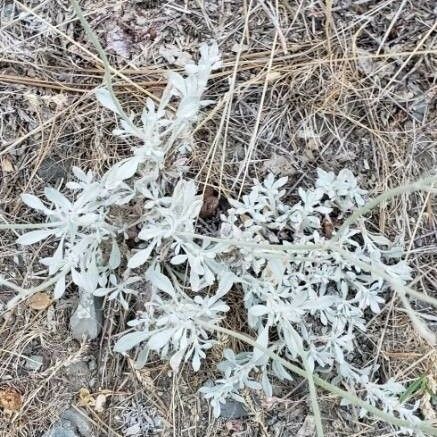
Plant Overview
Known affectionately as "Dusty Miller," this Mediterranean native looks as though it has been lightly dusted with powdered sugar or frosted by a morning chill. It is a favorite among gardeners not for its flowers, but for its striking silver-white foliage that provides a stunning contrast against the deep greens and bright blooms of a traditional garden bed. In the Victorian era, it was a staple in "carpet bedding" designs due to its velvet-like texture and architectural elegance.
🔍 How to Identify
- ❄️ Foliage Color: The leaves are a distinct silvery-gray to nearly white, a color caused by a dense covering of fine, matted hairs.
- 🧤 Texture: The leaves feel like soft felt or wool to the touch. They are often deeply lobed, resembling intricate lace or oak leaves.
- 🌼 Flowers: If left to bloom in its second year, it produces small, button-like yellow flowers that look like miniature daisies, though many gardeners prune these to keep the focus on the silver leaves.
🏡 In Your Garden
- 🛡️ Sun Armor: That silver "fuzz" isn't just for show; it acts as a natural sunblock, reflecting light and trapping moisture, which makes this plant incredibly drought-tolerant once established.
- ✂️ Shape & Structure: To keep it from becoming "leggy" or woody, it benefits from a heavy pruning in early spring. It hates "wet feet," so ensuring your soil is well-draining is the secret to preventing root rot.
- 🌑 Moonlight Appeal: Because of its reflective leaves, it is a premier choice for "Moonlight Gardens"—landscapes designed to be enjoyed at night, as the silver foliage practically glows under the moon.
⚠️ Safety & Toxicity
- 🐾 Toxic to Pets: Dusty Miller contains pyrrolizidine alkaloids, which are toxic to dogs, cats, and horses if ingested in large quantities.
- 🤮 Symptoms: Ingestion can lead to liver enzymes issues, vomiting, or lethargy. While it isn't usually fatal unless eaten in bulk, it is best kept away from curious chewers.
- 🧤 Skin Sensitivity: Some gardeners experience mild skin irritation (dermatitis) from the sap or the fine hairs, so wearing gloves during pruning is a wise precaution.
✨ Fun Fact
The botanical name Cineraria comes from the Latin word "cinis," meaning "ashes." This refers to the plant's distinctive ash-colored leaves that make it look like it has been playing in a fireplace!

Detailed Care Instructions
To grow Senecio Cineraria, also known as Dusty Miller or Silver Ragwort, follow these steps:
- Choose a suitable location: Select a spot that receives full sun to partial shade. Senecio Cineraria prefers a location with well-drained soil.
- Prepare the soil: Ensure the soil is loose, light, and fertile. Improve the soil drainage by adding organic matter such as compost.
- Planting method: Sow the seeds in the prepared soil or transplant nursery-bought seedlings. If planting seeds, scatter them evenly and cover lightly with a thin layer of soil. Space the seedlings or transplants about 12 to 18 inches apart.
- Watering: Water the young plants regularly, ensuring the soil remains evenly moist but not waterlogged. Once established, reduce watering frequency as Senecio Cineraria is somewhat drought-tolerant.
- Mulching: Apply a layer of organic mulch around the plants to conserve moisture, control weeds, and maintain a cool soil temperature.
- Fertilization: Feed the plants with a balanced, slow-release fertilizer in spring or apply a liquid fertilizer monthly during the growing season.
- Pruning: Pinch back the tips of the plants when they are about 6 inches tall to encourage bushy growth. Regularly trim or deadhead the faded flowers to promote continuous blooming.
- Pests and diseases: Senecio Cineraria is generally quite resistant to pests and diseases. However, keep an eye out for common issues like aphids, snails, or fungal infections. Treat them using organic pest control methods if necessary.
- Overwintering: In colder climates, protect the plants from freezing temperatures by covering them with a frost blanket.
By following these steps and providing optimal growing conditions, you can successfully grow Senecio Cineraria and enjoy its beautiful silver foliage in your garden.

Place in a window with dappled sun or a spot in the middle of a room. Or directly in a window facing west or east.

To water this plant, you should first check the moisture level of the soil by inserting your finger about an inch into the soil. If it feels dry, then it's time to water. Use a watering can or hose with a gentle spray nozzle to water the soil at the base of the plant until the soil is evenly moist, but not soaking wet. Make sure to avoid getting water on the foliage, as this can lead to disease. Water this plant more frequently during hot, dry weather and less frequently during cooler, more humid weather. Always make sure to allow the top layer of soil to dry out slightly before watering again.
To fertilize this type of plant, mix a balanced, water-soluble fertilizer with water according to the package instructions. Apply the fertilizer solution to the soil around the plant, being careful not to get any on the leaves. Repeat the fertilization process every 2-3 weeks during the growing season. Avoid fertilizing during the plant's dormant period.
The ideal soil for this plant is well-draining soil that is rich in organic matter. It should have a pH level between 6.0 and 7.5. The soil should also be able to hold moisture without becoming waterlogged. It is recommended to mix sand or perlite into the soil to improve drainage. The plant prefers soil that is slightly acidic to neutral. It should be fertilized with a balanced fertilizer once a month during the growing season. Soil should be kept moist but not excessively wet. The plant will not tolerate heavy clay soils or poorly-drained soils and may develop root rot.
Senecio Cineraria can be propagated through stem cuttings.
First, take a stem cutting from a mature plant. Make sure the cutting is around 4-6 inches long and has at least 2-3 leaves on it.
Next, remove the bottom set of leaves from the cutting, leaving only the top leaves. This will allow the cutting to focus its energy on growing roots instead of supporting leaves.
Then, dip the cut end of the stem into rooting hormone powder to help stimulate root growth.
Next, plant the cutting in a well-draining potting mix. Make sure the mix is moist but not waterlogged.
Finally, place the pot in a bright, indirect light and keep the soil moist. After a few weeks, roots should begin to form and the cutting can be transplanted into a larger container or out in the garden.








