Plant Overview
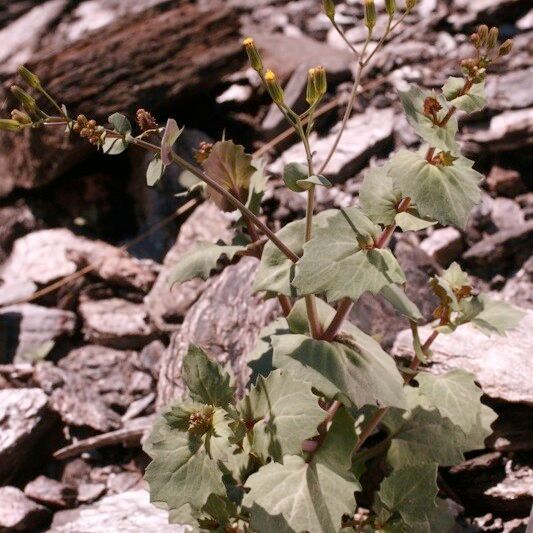
Known as the Desert Ragwort or the Yellow Senecio, this resilient little succulent-like herb is a master of survival in some of the harshest environments on Earth. While many of its cousins are found in lush English gardens, Senecio flavus is a specialist of the sun-scorched deserts of North Africa and the Middle East. It is often celebrated by desert hikers as a "golden spark" that brings life to dusty, rocky landscapes.
🔍 How to Identify
- 🍃 The Foliage: The leaves are noticeably fleshy and succulent-to-the-touch, often appearing in a deep green or slightly purplish hue. They are typically clasping the stem rather than growing on long stalks.
- 🌼 The Bloom: It produces clusters of bright yellow flower heads. Unlike common daisies, these often lack the long, petal-like "rays" on the outside, looking more like intense yellow buttons.
- 🌱 Growth Habit: This is a relatively low-growing plant, usually forming small, branched clumps that stay close to the ground to avoid drying winds.
🏡 In Your Garden
- 🏜️ The Ultimate Minimalist: If you are growing this in a Mediterranean or rock garden, remember that it thrives on neglect. It prefers poor, gritty soil and will actually suffer if the soil is too nutrient-rich or "happy."
- ☀️ Light is Life: This plant cannot tolerate shade. It needs the most intense light available to maintain its compact shape; otherwise, it will become "leggy" and weak as it searches for the sun.
⚠️ Safety & Toxicity
- 🚫 Toxic if Ingested: Like most members of the Senecio family, this plant contains pyrrolizidine alkaloids. These compounds are known to cause cumulative liver damage if eaten.
- 🐾 Keep Pets Away: While the plant doesn't smell or taste particularly appealing, it should be kept out of reach of curious dogs, cats, or grazing livestock, as the toxins are potent across many species.
✨ Fun Fact
🌵 Senecio flavus is an "opportunistic" grower; in the deep desert, its seeds can lay dormant for years, waiting for a single heavy rainstorm to wake them up for a lightning-fast life cycle of blooming and seeding.

Detailed Care Instructions
To grow Senecio Flavus plant, also known as yellow ragwort or yellow cineraria, follow these steps:
- Obtain seeds or young plants: You can purchase seeds or young plants from local nurseries, garden centers, or online seed suppliers. Make sure to choose healthy specimens.
- Determine the growing zone: Check the USDA Plant Hardiness Zone map to determine if Senecio Flavus is suitable for your area. It typically thrives in zones 9-11.
- Choose a location: Select a sunny spot in your garden or balcony that receives at least 6 hours of direct sunlight daily. The plant can tolerate a bit of shade but prefers full sun.
- Prepare the soil: Senecio Flavus prefers well-draining soil. Amend your soil with organic matter like compost or well-rotted manure to improve the drainage and fertility. Ensure the soil pH is between 6.0 and 7.0, which is slightly acidic.
- Sow seeds or plant young plants: If using seeds, sow them directly in the prepared soil, following the packet instructions. Alternatively, if using young plants, dig holes that are slightly larger than the root ball and place the plants in them, gently firming the soil around them. Space the plants according to their mature size, typically around 12-18 inches apart.
- Watering: Keep the soil consistently moist but avoid overwatering, as excessive moisture can cause root rot. Water the plants when the top inch of soil feels dry to the touch. Adjust the watering frequency based on the climate and weather conditions.
- Fertilization: Apply a balanced, slow-release fertilizer once a month during the growing season to promote healthy growth. Follow the package instructions for the specific fertilizer you choose.
- Mulching: Mulch around the base of the plants with a layer of organic mulch, such as wood chips or straw, to help conserve moisture, suppress weeds, and improve the soil quality.
- Pruning: Trim back leggy or damaged growth to maintain a compact and healthy plant. Pruning can be done throughout the year as needed.
- Pests and diseases: Senecio Flavus is generally resistant to pests and diseases. However, keep an eye out for common garden pests like aphids and spider mites. Treat them with insecticidal soap if necessary.
- Propagation: You can propagate Senecio Flavus through stem cuttings. Take a 2-3 inch cutting from a healthy plant, remove the lower leaves, dip the cut end in rooting hormone, and plant it in a small pot filled with well-draining soil. Keep the cutting in a warm and well-lit location and mist it regularly until roots develop, typically within a few weeks.
By following these steps, you can successfully grow Senecio Flavus and enjoy its bright yellow flowers.
To care for this plant, ensure that the soil is allowed to dry out partially before watering. Water the plant thoroughly until moisture drips out of the drainage holes at the bottom of the pot. Avoid overwatering, as this can lead to root rot. Watering once a week should be sufficient, but adjust the frequency depending on the humidity and temperature of the environment. Additionally, use a well-draining soil mix with good airflow to prevent waterlogging.
To fertilize the plant, mix a balanced water-soluble fertilizer with water according to package instructions. Apply the fertilizer solution to the soil around the plant during the growing season, about every two weeks. Do not over-fertilize as it may cause damage to the plant. Always water the plant after fertilizing to help the nutrients reach the roots.
Senecio Flavus plant needs a well-draining soil mix with good aeration and water retention capacity. The best soil for this plant should be rich in nutrients and organic matter, with a pH level between 6.0 and 7.0. The soil should be a mixture of sand, perlite, and peat moss or coco coir to ensure good drainage. A small amount of compost can also be added for a nutrient boost. Avoid using heavy soils or soils with poor drainage, which can lead to root rot and damage to the plant. Overall, a light, loose, and airy soil is ideal for Senecio Flavus plant growth and health.
Senecio Flavus plant can be propagated through different methods such as stem cuttings, division, and seed sowing.
Propagation through stem cuttings:
- Take a healthy stem cutting from the parent plant that measures around 5-6 inches long.
- Remove the lower leaves from the cutting, leaving only the top two or three leaves.
- Dip the cut end of the stem in rooting hormone powder.
- Prepare a pot with well-draining soil and make a hole for the cutting.
- Insert the cutting in the soil, patting the soil gently around it.
- Water the cutting thoroughly and keep it in a warm, bright area with indirect sunlight.
- In a few weeks or months, the cutting will root and start growing new leaves.
Propagation through division: - Gently dig out the parent plant from the ground or pot.
- Separate the root clumps carefully by hand or using a sharp knife.
- Prepare a new pot or area with well-draining soil.
- Plant the divided sections of the parent plant in the new pot or area, ensuring the roots are covered with soil.
- Water the plant thoroughly and keep it in a warm, bright area with indirect sunlight.
- In a few weeks or months, the plant will regrow and start producing new leaves.
Propagation through seed sowing: - Collect ripe seeds from the parent plant and let them dry for a few days.
- Fill a seed tray or pot with well-draining soil and water it.
- Sprinkle the seeds on the soil surface, spacing them evenly.
- Cover the seeds with a thin layer of soil and water gently.
- Keep the tray or pot in a warm, bright area with indirect sunlight.
- In a few weeks or months, the seeds will germinate and the new seedlings will grow.








