Plant Overview
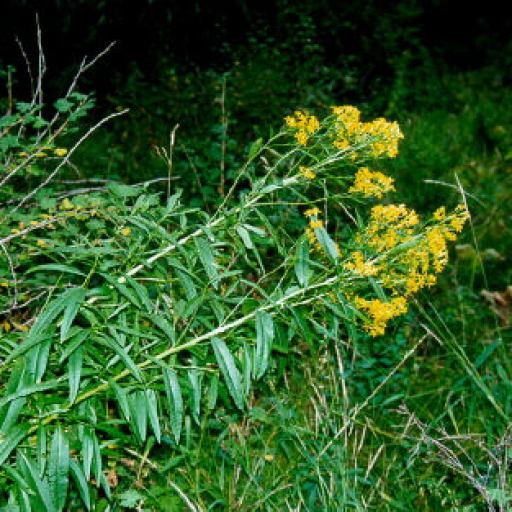
Often called the Sawtooth Butterweed or Tall Ragwort, this golden giant is a staple of Western North American mountain meadows. Standing tall and proud, it acts as a vibrant sunburst in damp clearings, often reaching shoulder height. While it looks like a friendly oversized daisy, it carries the rugged resilience of the high-altitude wilderness.
🔍 How to Identify
- 🪚 Saw-Toothed Foliage: The most defining feature is its long, lance-shaped leaves with sharply serrated edges that resemble the blade of a saw.
- 🌼 Golden Clusters: Unlike some sunflowers that produce single heads, this plant hosts dense, flat-topped clusters of many small, bright yellow flower heads.
- 📏 Stately Stature: It is a true "tall" herb, often growing between 3 to 6 feet high, with multiple unbranched stems rising from a woody base.
🏡 In Your Garden
- 💧 Thirst for Moisture: In a garden setting, this plant reflects its mountain heritage; it craves "feet in the water." It is perfect for rain gardens or spots near a pond where the soil stays consistently damp.
- 🦋 The Pollinator Party: Because it blooms in mid-to-late summer, it serves as a critical late-season fuel station for butterflies, bees, and hoverflies preparing for the colder months.
- 🏔️ Clumping Habit: It spreads via a woody rootstock (caudex), meaning it stays in a relatively neat clump rather than running wild across your entire yard like some of its weedy cousins.
⚠️ Safety & Toxicity
- 🚫 Toxic if Ingested: Like many members of the Senecio genus, the Sawtooth Butterweed contains pyrrolizidine alkaloids. These compounds are cumulative toxins that can cause severe liver damage if eaten.
- 🐾 Livestock & Pets: It is primarily a concern for grazing animals like horses and cattle. While most animals avoid it due to its bitter taste, it is best kept away from curious pets and small children.
✨ Fun Fact
The fluffy white "fuzz" that appears after the flowers fade is actually a collection of tiny parachutes called pappus. These allow the seeds to catch mountain breezes and travel miles away to colonize new meadows!

Detailed Care Instructions
To grow a Senecio Serra plant, also known as the blue chalk fingers plant or blue stick succulent, you can follow these steps:
- Choose a healthy plant: Select a healthy Senecio Serra plant from a local nursery or trusted online seller. Look for a plant with compact, bright blue leaves.
- Pot selection: Choose a well-draining pot with a drainage hole at the bottom, as the plant dislikes sitting in constantly damp soil.
- Soil preparation: Use a well-draining succulent or cactus potting mix. Alternatively, you can create your own by mixing equal parts of regular potting soil and perlite or pumice.
- Planting: Place the Senecio Serra plant gently into the pot, ensuring it is centered. Fill the rest of the pot with the prepared soil mix, making sure not to bury the plant too deep. Leave a small gap between the soil surface and the rim of the pot to allow for easier watering.
- Light requirements: Place the plant in a location where it receives bright, indirect sunlight. Senecio Serra plants thrive in bright light, but direct sun can cause their foliage to burn.
- Watering: Water the plant thoroughly but infrequently. Allow the soil to dry out completely between waterings, as overwatering can lead to root rot. Senecio Serra plants are drought-tolerant and prefer dry conditions.
- Fertilization: During the growing season (spring and summer), you can feed the plant with a balanced liquid fertilizer diluted to half-strength. Apply the fertilizer once a month or as per the package instructions.
- Pruning: As the plant grows, remove any dead or wilted leaves by pinching them off at the base. This helps improve air circulation and prevents diseases.
- Propagation: Senecio Serra plants can be propagated through stem cuttings. Take a healthy cutting, let it dry for a few days, and then insert it into a well-draining potting mix. Keep the soil slightly moist and place the cutting in bright but indirect light. Roots should develop within a few weeks.
Remember to do regular inspections for pests like mealybugs or spider mites. If you notice any infestations, treat them with an appropriate insecticidal soap or follow other pest control methods.
With proper care and following these guidelines, your Senecio Serra plant should thrive and grow into a beautiful specimen.

Place in a bright room that is sun drenched almost all day. Or directly in a south-facing window.

Senecio Serra plant requires moderate watering, and the frequency of watering depends on environmental factors such as humidity and temperature. When watering, ensure that the soil is thoroughly moistened but not waterlogged, as this can lead to root rot. Allow the soil to dry partially before the next watering. Water once or twice a week during dry periods, but reduce the frequency during the winter months when the plant is inactive. Use room temperature water to prevent shocking the plant. Avoid getting water onto the leaves as this can lead to fungal diseases.
- Choose a balanced fertilizer with equal amounts of nitrogen, phosphorus, and potassium.
- Dilute the fertilizer according to package instructions.
- Apply the fertilizer to the soil around the plant, being careful not to let it touch the leaves.
- Water the plant thoroughly after fertilizing.
- Repeat fertilizing once every three to four weeks during the growing season, which is typically spring and summer.
- Avoid fertilizing during the winter or dormant period.
The recommended soil for cultivating the Senecio Serra plant is a well-draining soil mix that is rich in nutrients and organic matter. It should be composed of a combination of peat moss, perlite, and vermiculite to provide good drainage, aeration and moisture retention. The pH level of the soil should be around 6.0-7.0, which is slightly acidic to neutral. It is important to avoid using heavy soils or ones that tend to hold moisture for too long, as this can cause root rot and other fungal diseases. A good way to ensure healthy soil is to use a slow-release fertilizer designed for succulents and cacti, which will provide the necessary nutrients over time. Additionally, adding some sand or grit to the soil mix may help improve drainage and prevent the soil from becoming too compacted.
To propagate this plant, you will need to first select a healthy parent plant with strong growth and healthy foliage. Once you have identified the parent plant, take a sharp pair of sterilized scissors and cut off a stem that is at least 4-6 inches long. Be sure to make the cut just below a node, which is where a leaf or branch attaches to the stem.
Remove the leaves from the bottom half of the stem, leaving only a few at the top. This will help the stem focus its energy on developing roots. Dip the bottom of the stem in rooting hormone powder to encourage root growth.
Next, prepare a pot with well-draining soil. Use a pencil or similar object to poke a hole in the soil, and then gently insert the stem into the hole. Be sure to bury the stem deep enough so that the top leaves are just above the soil line. Water thoroughly and place the pot in a warm, bright location, but not in direct sunlight.
Keep the soil moist but not overly wet, and mist the leaves regularly to maintain humidity. After a few weeks, you should start to see new growth, which is a good sign that roots have formed. Once the roots are well-established, you can transfer the new plant to a larger pot or outdoor location.








