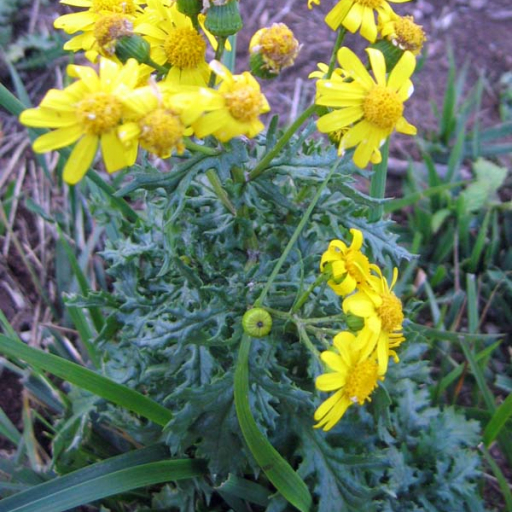
Plant Overview
Known famously as the Oxford Ragwort, this golden-yellow wildflower is a true adventurer with a fiery history. Originally a resident of the volcanic slopes of Mount Etna in Sicily, it made a daring escape from the Oxford Botanic Garden in the 18th century. Today, it is a resilient urban survivor, often found brightening up stone walls and railway tracks with its cheerful, daisy-like blooms.
🔍 How to Identify
- 🌼 Sunny Blooms: It features clusters of bright yellow flowers with distinct outer "ray" petals that look like miniature daisies.
- 🍃 Ragged Foliage: The leaves are deeply lobed and toothy, appearing somewhat "shaggy" or untidy, which earned it the species name squalidus.
- 🌱 Bushy Habit: It typically grows as a multi-stemmed, branched plant, often reaching about 1-2 feet in height with a slightly woody base.
🏡 In Your Garden
- 🧱 Loves Poor Soil: Because of its volcanic heritage, it thrives in gravelly, well-draining, or "disturbed" ground where other plants might struggle. It is perfect for rock gardens or coastal settings.
- 🦋 Wildlife Support: It is a high-value nectar source for pollinators. You may often spot the striking red-and-black Cinnabar moth caterpillars munching on its leaves.
- ✂️ Vigorous Spreader: It produces fluffy, dandelion-like seeds that travel easily on the wind. If you don't want it taking over, it is best to deadhead the flowers before they turn to "clocks."
⚠️ Safety & Toxicity
- 🚫 Toxic Status: Highly toxic if ingested.
- 🐾 Livestock & Pets: Like other ragworts, it contains pyrrolizidine alkaloids which cause cumulative liver damage. It is a major concern for horse and cattle owners if it gets mixed into hay.
- 🧤 Skin Sensitivity: Some people may experience mild skin irritation (dermatitis) when handling the leaves; wearing gloves is recommended for weeding.
✨ Fun Fact
This plant is nicknamed the "Railway Traveler" because it spread across the United Kingdom by hitching a ride on the railway system. The clinker and ballast used on train tracks perfectly mimicked the dry, rocky volcanic soil of its Sicilian home!

Detailed Care Instructions
To grow Senecio squalidus (commonly known as Ragwort or Oxford ragwort), you can follow these steps:
- Choose the right location: Senecio squalidus prefers full sunlight to partial shade. Select a spot in your garden that receives at least 6 hours of direct sunlight per day.
- Prepare the soil: The plant prefers well-draining soil. Amend heavy clay soils with organic matter such as compost to improve drainage. Senecio squalidus can also tolerate poor, rocky soils.
- Sow seeds: You can grow Senecio squalidus from seeds. Sow the seeds directly into the prepared soil in spring or fall, as per the growing zone you are in. Lightly cover the seeds with a thin layer of soil.
- Watering: Keep the soil evenly moist, but not waterlogged, until the seeds germinate. After that, the plant is quite drought-tolerant and does not require excessive watering. Water only when the top inch of soil feels dry.
- Maintenance: Senecio squalidus is a low-maintenance plant. However, you can remove any weeds that may compete for nutrients and space. Deadhead the flowers after they fade to encourage further blooming.
- Pruning: Prune the plant back in late summer or early fall to prevent it from becoming too leggy. This will also prolong the flowering period.
- Propagation: Senecio squalidus can also be propagated through stem cuttings. Take 3-4 inch cuttings from healthy, mature plants in spring or early summer. Remove the lower leaves and insert the cutting into well-draining soil. Keep the soil moist until roots develop.
- Pests and diseases: Senecio squalidus is generally resistant to pests and diseases. However, keep an eye out for aphids, slugs, and snails, and take appropriate measures if infestations occur.
Remember to check with your local nursery or gardening center for specific advice based on your climate and growing conditions.

Place in a bright room that is sun drenched almost all day. Or directly in a south-facing window.

Here are some tips for watering the plant known as Senecio Squalidus:
1. Check the soil moisture level by inserting your finger about an inch into the soil. If the soil feels dry, it is time to water the plant.
2. Use room temperature water when watering the plant. Avoid using cold water as it can shock the roots and inhibit growth.
3. Water the plant thoroughly until water begins to drain from the bottom of the pot. This ensures that the roots receive enough water.
4. Allow the soil to drain completely after watering to prevent waterlogged soil, which can lead to root rot.
5. Water the plant less frequently during the winter months when it is actively growing less.
6. Monitor the plant regularly to make sure it is not under or over-watered. Signs of under watering include wilted leaves, yellowing, and leaf drop. Over-watering can lead to mushy leaves and root rot.
7. Adjust your watering schedule based on the plant's needs, taking into account factors such as temperature, humidity, and sunlight.
To fertilize this plant, apply a balanced fertilizer in the spring and mid-summer. Use a slow-release fertilizer or dilute a water-soluble fertilizer according to package instructions. Avoid over-fertilizing, as excessive nutrients can harm the plant. Additionally, make sure the soil is moist before fertilizing and water the plant well after fertilizing to prevent burn.
Senecio Squalidus is a plant that prefers well-drained soil that is neither too acidic nor too alkaline. A slightly acidic to neutral soil with a pH range of 6.0 to 7.5 is suitable for the plant. It requires a soil that is rich in organic matter content and nutrient-rich, which means the soil should have enough nutrients such as nitrogen, potassium, and phosphorus.
The type of soil that Senecio Squalidus prefers is loamy soil that has a good water-holding capacity. It should be well-draining, so the plant does not sit in water for too long. The plant can tolerate slightly dry soils but will not grow well in waterlogged soil. For this reason, it is recommended to add a layer of mulch around the plant to retain moisture in the soil without creating waterlogged conditions.
When planting, it is best to mix a general-purpose compost or well-rotted manure into the soil to improve its organic matter content. Additionally, the soil should be well-aerated and have good drainage, so adding perlite or sand to the soil can help achieve this.
In summary, Senecio Squalidus prefer well-drained, slightly acidic to neutral loamy soil with good organic matter content and nutrient-rich. The plant can tolerate dry soil, but it should not sit in waterlogged soil, and adding a layer of mulch around the plant can help retain moisture in the soil.
To propagate this plant, take cuttings of about 4-6 inches long from the main stem. Ensure that each cutting has at least two or three leaves. Remove the leaves from the bottom half of the cuttings and dust the cut ends with rooting hormone. Plant the cuttings in a well-draining soil mix and water thoroughly.
Provide the cuttings with bright, indirect light and keep the soil moist, but not waterlogged. Within a few weeks, you should start to see new growth emerging from the top of the cutting, which is a sign that rooting has occurred.
Continue to care for the new plants as you would for established Senecio Squalidus, but gradually acclimate them to bright direct sunlight over time. Over time, the new plants will develop a healthy root system and be ready to plant in the ground or in a larger container.








