Plant Overview
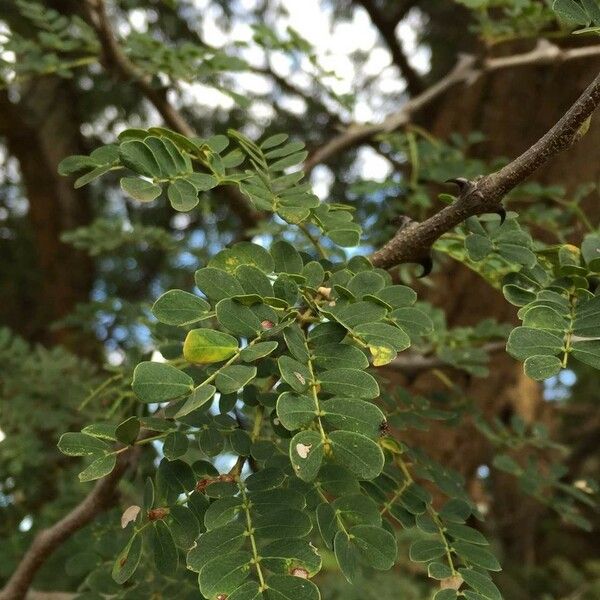
Known as the Black Monkey-thorn, Senegalia burkei is a rugged sentinel of the African savanna. Its name is derived from the wicked, hooked black thorns that resemble the claws of a monkey, providing a safe haven for nesting birds against climbing predators. In the wild, it creates a dramatic, spreading silhouette that defines the classic bushveld landscape, often standing as a symbol of resilience in harsh environments.
🔍 How to Identify
- 🪝 The "Monkey Claws": Look for pairs of dark, sharply hooked thorns located just below the leaf stalks. These are small but incredibly strong and curved backward.
- 🌳 Knobby Bark: As the tree matures, the bark becomes dark grey or nearly black and deeply fissured. It often develops distinctive knobby protrusions where old thorns have been incorporated into the wood.
- ☁️ Fuzzy Flowers: During late spring and early summer, the tree produces creamy-white to pale yellow flower spikes that look like soft, fuzzy cylinders, contrasting beautifully against the dark wood.
🏡 In Your Garden
- 🦋 Wildlife Magnet: This tree is a bustling hub for biodiversity. It is a favorite nesting site for birds who feel protected by the thorns, and it serves as a vital food source for many butterfly species and honeybees.
- 🏗️ Strategic Placement: Because it develops a powerful and wide-reaching root system, this is not a tree for small courtyards. Ensure it is planted well away from swimming pools, foundations, or underground pipes to prevent structural damage.
⚠️ Safety & Toxicity
- 🛡️ Physical Hazard: The Black Monkey-thorn is not chemically toxic to humans or pets, but the thorns pose a significant mechanical danger. They are "wait-a-bit" thorns that easily snag skin and clothing.
- 🐾 Pet & Child Safety: While the foliage is safe, the fallen branches and thorns can cause painful punctures to paws or little hands. It is best suited for the perimeter of a property rather than a central play area.
✨ Fun Fact
🪵 Built to Last: The wood of the Black Monkey-thorn is exceptionally hard, heavy, and termite-resistant. In the past, it was so highly valued for its durability that it was used to create railway sleepers and heavy-duty fencing that could survive the elements for decades.

Detailed Care Instructions
To grow Senegalia Burkei (also known as Acacia burkei or Black monkey thorn) plant, you can follow these steps:
- Choose a suitable location: Senegalia Burkei prefers a well-draining soil and ample sunlight. Select an area with full to partial sun exposure, away from areas prone to frost or extreme weather conditions.
- Prepare the soil: Senegalia Burkei can tolerate a wide range of soil types but thrives in well-draining soil with a slightly acidic to neutral pH. Improve the soil drainage by incorporating organic matter like compost or well-rotted manure.
- Acquire seeds or young plants: You can either buy Senegalia Burkei seeds from a nursery or collect them from mature pods. Alternatively, you can get young plants from a reputable nursery or propagate them through cuttings.
- Sow the seeds or plant the young plant: If using seeds, scarify them by gently scratching or rubbing the hard seed coat with sandpaper, then soak them in warm water overnight to enhance germination. Sow the scarified seeds in seedling trays or directly into prepared soil, covering them with a thin layer of soil. Space the seeds or plants according to the ultimate size of the tree.
- Watering and care: Water the seeds/young plants regularly but avoid excessive moisture, which can cause root rot. Once established, Senegalia Burkei is drought-tolerant but benefits from occasional watering during dry spells. Weed the area around the plant regularly to reduce competition for water and nutrients.
- Pruning and shaping: Senegalia Burkei has a naturally attractive, umbrella-shaped canopy. However, you may need to prune occasionally to maintain the desired shape and remove any dead or diseased branches. Prune during its dormant period to minimize stress on the tree.
- Fertilization: Senegalia Burkei usually does not require frequent fertilization. However, if growing in poor soil or to boost its growth, you can apply a balanced slow-release fertilizer during the growing season. Follow the recommended dosage on the fertilizer packaging.
- Mulching: Apply a layer of organic mulch, such as wood chips or straw, around the base of the plant to suppress weeds, conserve moisture, and improve soil fertility.
- Pests and diseases: Senegalia Burkei is generally resistant to most pests and diseases. However, occasionally, it may face challenges like stem borers or fungal infections. Inspect the tree regularly and take appropriate measures if you notice any issues, such as using organic insecticides or fungicides if necessary.
- Patience: Growing a tree takes time, so be patient and allow Senegalia Burkei to establish itself. With proper care, it will reward you with its attractive foliage and beautiful umbrella-shaped canopy.
Remember to check local regulations and restrictions in your area before planting Senegalia Burkei, as it may be considered invasive in some regions.

Place in a bright room that is sun drenched almost all day. Or directly in a south-facing window.

Senegalia Burkei plant prefers to be watered moderately, with the soil being allowed to dry out slightly between waterings. The best way to determine if the plant needs water is to check the soil with your finger. If the top inch of soil is dry, it's time to water. When watering, make sure to thoroughly saturate the soil until water runs out of the drainage holes. Avoid overwatering or letting the plant sit in standing water, as this can lead to root rot. It's also important to provide good drainage and ensure that excess water can easily escape from the pot. In general, watering every 7-10 days is sufficient to keep this plant happy and healthy.
To fertilize the plant, use a balanced fertilizer with an NPK ratio of 20-20-20. Apply the fertilizer during the growing season, once in every two weeks, using a dilution of 1 teaspoon of fertilizer per gallon of water. Do not fertilize during the dormant season. Water the plant before and after fertilizing to prevent fertilizer burn.
Senegalia Burkei plant is a type of shrub that grows well in loamy and well-drained soil. It prefers soil that is moderately rich in organic matter and has a slightly acidic to neutral pH level. A good soil mix for this plant can be made by combining equal parts of garden soil, sand, and peat moss or compost. It is also recommended to add some perlite or vermiculite to the soil mix to improve drainage and aeration. When planting, make sure to bury the roots well and water the plant thoroughly to help it establish quickly. In general, this plant is low-maintenance and can tolerate some drought, but it will benefit from regular watering during the growing season and occasional fertilization with a balanced fertilizer.
To propagate this plant, first, gather a mature plant and observe the base of the stem to locate the nodes. Cut a stem section at least 8-10 cm long right below a node, making sure to use a sharp, sterilized pair of pruning shears. Try to avoid leaves and branches on the stem cuttings.
Next, dip the bottom one centimeter of the stem into a rooting hormone powder for optimal success. Dust off any excess powder, then gently insert the stem cutting into a well-draining potting soil mixture, burying at least half of the stem. Press the soil around the cutting to keep it firmly in place.
After that, water the soil deeply to thoroughly moisten the soil but avoid over-watering as this may cause the cutting to rot. Place the cutting in a bright, warm spot while protecting it from direct sunlight during the hottest part of the day.
Keep the soil consistently moist, avoid over-watering, and protect it from extreme temperatures for best success rates. Once the cutting begins to grow new leaves, roots, and a visible stem, it can be transplanted to its permanent location.
Common pests of the black monkeythorn include Scale insect, mealybugs, spider mites, thrips. Make a habit of checking your black monkeythorn frequently for pests so that any infestations can be caught and managed early.








