Plant Overview
Known historically as the "Mother of all laxatives," Senna alexandrina is a hardy, sun-loving shrub that bridges the gap between ancient herbalism and modern pharmacology. Often referred to as Alexandrian Senna or True Senna, this North African native has traveled the world along ancient trade routes, prized for its vibrant yellow blooms and potent medicinal properties. While it looks like a delicate ornamental, it is a desert survivor at heart, built to withstand heat and drought.
🔍 How to Identify
- 🌿 The Foliage: Look for compound (pinnate) leaves that grow in pairs. Each leaflet is sharp-tipped and lance-shaped, giving the plant a structured, feather-like appearance.
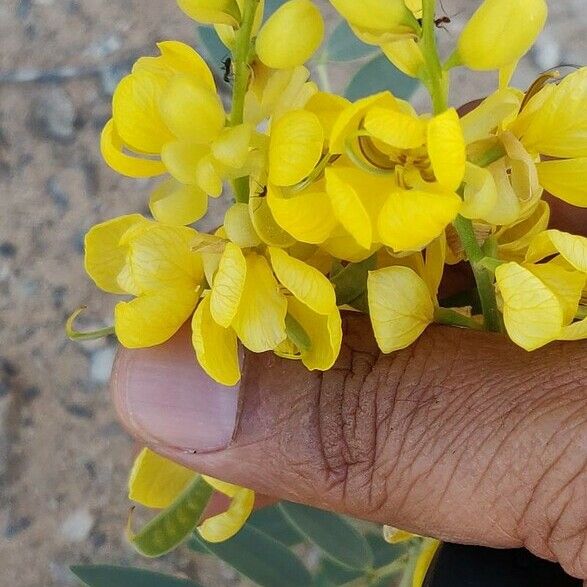
- 🟡 The Flowers: It produces dense clusters of bright, buttery-yellow flowers. Each blossom has five slightly asymmetrical petals and prominent, curved stamens that attract a variety of pollinators.
- 🫘 The Seed Pods: After the flowers fade, they are replaced by flat, oblong, bean-like pods. These pods start out green and turn a papery dark brown or black as they mature, often hanging heavily from the branches.
🏡 In Your Garden
- ☀️ Sun Seeker: Because it originates from the arid regions of Egypt and Sudan, this plant craves full, direct sunlight. If grown in the shade, it will become "leggy" and refuse to flower.
- 🏜️ Drainage is Non-Negotiable: Senna hates having "wet feet." It performs best in sandy, poor-quality soil where water drains away instantly. If your garden has heavy clay, consider planting it in a raised bed or a terracotta pot.
- ✂️ Pruning Habits: It can be a bit of a wanderer if left to its own devices. Light pruning after the flowering season helps maintain a bushy, manageable shape and encourages a more prolific bloom the following year.
⚠️ Safety & Toxicity
- 🚽 Medicinal Potency: While the leaves and pods are used in FDA-approved treatments for constipation, you should never consume any part of the plant directly from the garden. The concentration of sennosides can cause severe abdominal cramping and dehydration.
- 🐾 Pet Safety: This plant is considered toxic to dogs, cats, and horses. Ingestion of the leaves or seeds can lead to gastrointestinal distress, diarrhea, and lethargy.
- 🧤 Skin Sensitivity: Some gardeners report mild skin irritation (dermatitis) when handling the foliage, so wearing gloves during pruning is a wise precaution.
✨ Fun Fact
The name "Alexandrina" comes from the city of Alexandria in Egypt, which served as the primary port for exporting this plant to Europe and Asia for over a thousand years!

Detailed Care Instructions








