Plant Overview
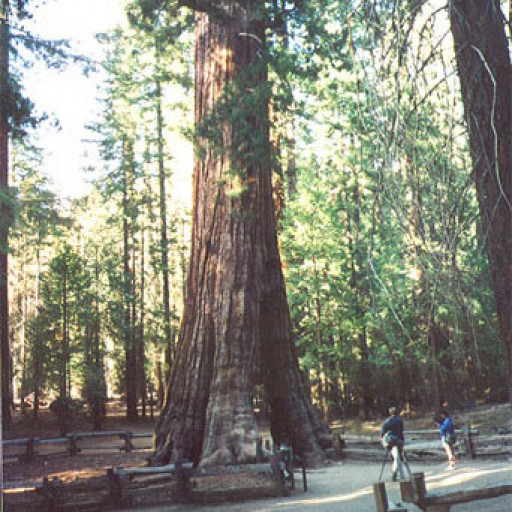
Known as the "Grandfather of the Forest," the Giant Sequoia (Sequoiadendron giganteum) is the world’s largest tree by volume. These ancient titans are native only to the western slopes of California’s Sierra Nevada mountains, where some individuals have lived for over 3,000 years. To touch their bark is to touch living history; they have survived countless wildfires and ice ages, standing as silent witnesses to the passage of eras.
🔍 How to Identify
- 🌳 Fibrous Bark: The bark is exceptionally thick (up to 3 feet!), reddish-brown, and has a spongy, cinnamon-like texture that protects the tree from heat.
- 🍃 Scale-like Foliage: Unlike the flat needles of their cousins (the Coast Redwoods), Giant Sequoia leaves are small, awl-shaped, and overlap like shingles on a roof.
- 🌲 Sturdy Cones: It produces woody, egg-shaped cones that are surprisingly small (about 2-3 inches long) considering the massive size of the tree.
🏡 In Your Garden
- ⛰️ Climate Specificity: While they are sold as ornamental trees, they crave "mountain weather." They prefer deep, well-draining soil and struggle in areas with extreme humidity or sweltering, stagnant nights.
- 🏗️ The Forever Spot: Because they develop a massive root system and can grow quite fast in their youth, never plant one near a house or power lines. They are notoriously difficult to transplant once the taproot is established, so choose their "forever home" carefully.
- 💧 Hydration Needs: Young trees are surprisingly thirsty. In the wild, they rely on a steady supply of melting snowpack; in a garden setting, they require consistent deep watering during dry spells to thrive.
⚠️ Safety & Toxicity
- 🛡️ Safe for All: The Giant Sequoia is non-toxic to humans, dogs, cats, and livestock.
- ⚠️ Physical Hazards: The primary safety concern is the tree's "self-pruning" habit. As they grow, they may drop heavy, woody branches from great heights. Additionally, their heavy cones can be a tripping hazard or a "bonk" risk if you are standing directly underneath during a windy day!
✨ Fun Fact
🔥 Fire is a Friend: Giant Sequoias are "pyriscent," meaning they actually need the heat of a forest fire to reproduce. The heat dries out the cones, causing them to shrink and release thousands of tiny seeds into the nutrient-rich ash left behind by the flames.

Detailed Care Instructions
| Lighting | Full Sun |
| Hardiness Zones | Min 6B |
To grow Sequoiadendron Giganteum, commonly known as giant sequoia or Sierra redwood, follow these steps:
- Climate and Location: Choose a suitable location for the plant. Sequoias are native to the western slopes of the Sierra Nevada mountains in California, USA. They require a Mediterranean climate with moderate, cool summers and mild, wet winters. These trees thrive in areas with full sun exposure and well-draining soil.
- Seed Collection: Obtain fresh seeds either by purchasing or collecting them. Sequoia seeds have a short viability, so it's best to use seeds from the current season.
- Pre-treatment: Sequoia seeds have a natural dormancy mechanism that must be broken before germination. This can be achieved in several ways, such as cold stratification or scarification. Cold stratification involves placing the seeds in a moist, cold environment (refrigerator) for a few weeks. Scarification involves gently nicking or sanding the seed coat to promote water absorption.
- Soil Preparation: Prepare the soil by ensuring it is well-draining and fertile. Loosen the soil and remove any weeds to create optimal conditions for root growth.
- Sowing Seeds: Plant the pre-treated seeds in containers or seed trays filled with a well-draining potting mix. Use a depth of about 1/4 inch when sowing the seeds, as they require some light to germinate.
- Watering: Moisten the soil and keep it consistently moist (but not waterlogged) during the germination period. The seeds should start to germinate within a few weeks to a couple of months.
- Transplanting: Once the seedlings have developed a few sets of true leaves and reached a height of about 6 inches, they can be transplanted into larger pots or directly into the ground. Take care not to damage the delicate roots during the transplanting process.
- Growth Requirements: Provide the young sequoia trees with adequate water, ensuring the soil remains moist but not saturated. As they grow, slowly reduce watering frequency to encourage deep root growth. These trees are generally self-sufficient and do not require fertilization.
- Pruning and Maintenance: Prune only if necessary for shape or to remove dead or damaged branches. Giant sequoias are typically low maintenance and require minimal pruning.
- Protection: Protect the young trees from extreme cold, strong winds, and excessive heat. Provide temporary shade in hot climates to prevent sunburn until the tree becomes more established.
Remember that growing a giant sequoia is a long-term commitment as these trees are known for their massive size and can live for thousands of years. Patience and care are vital throughout the growth process.

Place in a bright room that is sun drenched almost all day. Or directly in a south-facing window.

The best way to water this specific type of plant is to ensure that the soil is moist but not waterlogged. It is important to water deeply and thoroughly rather than shallowly and frequently. This will help encourage deep root growth. Additionally, it is important to only water the soil and not the foliage as this can promote disease. Mulching around the base of the plant can also help retain moisture in the soil. During periods of drought or hot weather, it may be necessary to water more frequently to prevent the soil from drying out completely.
To fertilize this plant, apply a slow-release, granular fertilizer to the soil at the base of the tree in the early spring. Make sure to follow the recommended application rates on the fertilizer packaging, as over-fertilization can harm the tree. Water the plant thoroughly after application to allow the fertilizer to penetrate the soil. Avoid fertilizing in the fall, as this can encourage new growth that may not have time to harden off before winter.
The ideal soil for the Sequoiadendron Giganteum tree should be well-draining and airy. It should be rich in nutrients, organic matter, and minerals, with a pH level that is slightly acidic to neutral. The soil should also be able to retain moisture without causing waterlogging or root rot.
To achieve this, it is recommended to mix equal parts of peat moss, perlite, sand, and compost to create a soil mix that meets the tree's needs. This soil mix will provide good drainage, aeration, and nutrient retention.
Additionally, it is important to avoid using heavy clay soils or those that are too compacted as this can inhibit proper root growth and lead to poor tree health. It is also recommended to supplement the soil with regular applications of organic fertilizers to ensure the tree receives all the necessary nutrients for optimal growth.
To propagate this plant, you will need to take stem cuttings from a healthy parent plant. These cuttings should be taken in the spring or summer, when the plant is actively growing. Choose a stem that is several inches long and has at least two sets of leaves.
Using a sharp and clean knife, make a clean cut below the bottom set of leaves, leaving only a few inches of stem. Remove the bottom set of leaves, leaving only the top set of leaves. Dip the cut end of the stem in rooting hormone, which will encourage root growth.
Place the stem cutting in a pot filled with moist, well-draining soil. Cover the pot with a clear plastic bag or place a plastic dome over it to create a humid environment. Keep the soil moist and place the pot in a bright, but shaded area.
Check on the cutting regularly, removing any dead leaves or stem pieces. After a few weeks, gently tug on the stem to see if there is resistance, indicating root growth. Once the cutting has started to develop roots, you can slowly acclimate it to outdoor conditions and eventually transplant it to a larger pot or into the ground.








