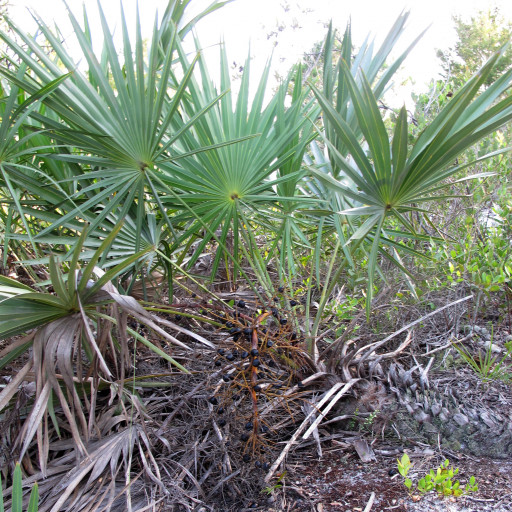
Plant Overview
Often called the "Saw Palmetto," this resilient fan palm is the rugged soul of the American Southeast. From coastal dunes to pine flatwoods, it creates a lush, silver-green carpet that thrives where other plants struggle. Known for its medicinal berries and incredible longevity, it is a living relic of the prehistoric landscape that brings a wild, tropical texture to any space.
🔍 How to Identify
- 🌿 Leaf Shape: Large, stiff, fan-shaped fronds that spread out in a circular pattern, often in shades of deep green or a striking silvery-blue.
- 🪚 The "Saw" Stem: The leaf stalks (petioles) are lined with tiny, sharp, recurved teeth—the namesake "saw" that can easily snag skin or clothing.
- 🍇 Fruit Clusters: In late summer, it produces small, fleshy, oval-shaped berries that turn from green to orange and finally a deep, oily black when ripe.
🏡 In Your Garden
- 🏝️ Coastal Warrior: This is a champion of salt tolerance, making it perfect for beach-side gardens where salt spray often kills more sensitive species.
- ⏳ Patience Required: Because it has a deep, sensitive root system, it hates being moved once established. It grows very slowly, so it is best to buy a specimen that is already the size you want for your landscape.
- 🐢 Wildlife Hub: In the wild, it acts as a critical "supermarket" for nature; its flowers provide high-quality nectar for bees, while its dense thickets offer protected nesting sites for birds and gopher tortoises.
⚠️ Safety & Toxicity
- 🩹 Physical Hazard: While the plant is not chemically toxic to humans or pets, those "saw-tooth" stems are sharp enough to draw blood. Always wear heavy-duty gloves and long sleeves when pruning.
- 🐕 Pet Safety: The berries and leaves are generally considered non-toxic to dogs and cats, though the sharp serrations on the leaves pose a physical puncture risk for curious pets.
✨ Fun Fact
🧬 Ancient Neighbors: Individual Saw Palmetto clumps can be over 500 to 700 years old! Because they spread via underground stems (rhizomes), some colonies in Florida are technically older than the oldest Redwood trees in California.

Detailed Care Instructions
To grow Serenoa repens, also known as saw palmetto, follow these steps:
- Choose the right location: Saw palmetto prefers full sun to partial shade. It is native to warm and subtropical regions, so it thrives in USDA hardiness zones 8-11. Select a spot in your garden or yard that receives at least 6 hours of direct sunlight daily.
- Prepare the soil: Saw palmetto prefers well-draining soil. Ensure the soil is loose, fertile, and has good drainage properties. Add organic matter like compost or aged manure to improve the soil structure.
- Plant the seeds or seedlings: If you have fresh, ripe saw palmetto seeds, you can sow them directly in the ground. Alternatively, you can purchase seedlings from a nursery or garden center. Plant the seeds or seedlings in early spring, spaced about 4-6 feet apart.
- Watering: Saw palmetto plants have moderate water requirements. Water deeply but infrequently, allowing the soil to dry out slightly between waterings. Avoid overwatering, as it can lead to root rot.
- Mulching: Apply a layer of organic mulch around the base of the plant to help retain moisture and suppress weed growth. Leave space around the trunk to prevent rot.
- Pruning: Prune any dead or damaged fronds, but avoid excessive pruning, as it can harm the plant. Saw palmetto has slow growth, so be patient and allow it to develop naturally.
- Fertilization: Saw palmetto is a low-maintenance plant and generally does not require frequent fertilization. However, you can use a slow-release balanced fertilizer in early spring to promote healthy growth.
- Pest control: Saw palmetto is relatively resistant to pests and diseases. However, keep an eye out for spider mites, scales, or mealybugs and take appropriate measures if you notice an infestation.
- Patience: Saw palmetto plants take several years to establish and reach their full size. Be patient and allow the plant time to grow and develop.
- Protection in winter: If you live in a colder climate or outside the recommended hardiness zones, protect your saw palmetto plants from frost or freezing temperatures. Cover them with frost blankets or move potted plants indoors during the winter months.
Remember, growing saw palmetto from seeds may take longer compared to purchasing mature plants or seedlings.

Place in a window with dappled sun or a spot in the middle of a room. Or directly in a window facing west or east.

1. The Serenoa Repens plant requires regular watering to maintain healthy growth.
2. When watering, avoid getting the leaves and stem wet as this can lead to fungal diseases.
3. Water deeply and thoroughly, making sure the water reaches the root system.
4. During the growing season, water the plant once a week or when the top inch of soil feels dry to the touch.
5. During periods of drought, increase the frequency of watering to prevent the plant from drying out.
6. If the plant is potted, make sure there is proper drainage to prevent water from pooling and potentially drowning the roots.
7. To conserve water, consider using a drip irrigation system or watering early in the morning or late in the evening when evaporation rates are lower.
To fertilize this plant, apply a slow-release fertilizer with a balanced NPK ratio of 8-8-8 or 10-10-10 in the spring and again in the fall. Spread the fertilizer on the soil surface around the base of the plant, avoiding contact with the foliage or stem. Water the plant thoroughly after applying the fertilizer to help it soak into the soil. Avoid over-fertilizing, as this can damage the plant and lead to excessive growth or reduced fruit production.
The ideal soil for the plant associated with the scientific name Serenoa Repens is a well-draining sandy soil. It is important that the soil has good drainage since the plant does not tolerate standing water or excessively wet soil. In addition, the soil should have a slightly acidic pH level, between 5.5 and 6.5, in order for the plant to thrive. It is recommended to amend the soil with organic matter such as compost or peat moss before planting. The plant prefers full sun to partial shade and should be watered regularly but carefully to avoid overwatering.
To propagate this plant, you will need to obtain a ripe fruit from a mature plant. The fruit should be fully mature and brown in color. Next, carefully remove the fruit from the plant, being careful not to damage it.
Once you have the fruit, clean off any debris and remove the outer layer to reveal the seed inside. Place the seed in a container of moist soil and keep it in a warm, humid location. The seed should germinate after several weeks.
Once the seedling emerges, place it in a larger pot or transplant it to a sunny area of your garden. Make sure to keep the plant well-watered and fertilized until it is established. Over time, the plant will grow into a mature specimen that will produce its own fruit, which can be used to propagate more plants.
Common pests of the saw palmetto include Scale insect, mealybugs, spider mites. Make a habit of checking your saw palmetto frequently for pests so that any infestations can be caught and managed early.








