Plant Overview
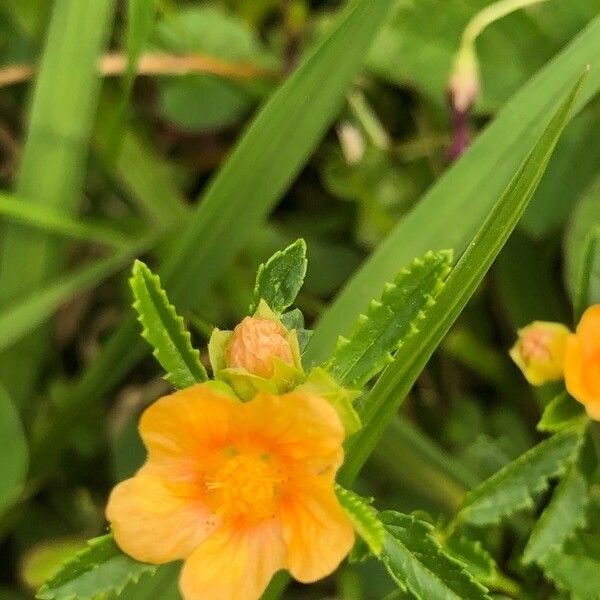
Often called the Bracted Sida or Fringed Sida, this low-profile beauty is a master of the "minimalist" lifestyle. Native to the sun-drenched regions of the Americas, it paints dry, sandy patches with unexpected bursts of salmon-colored flowers. While some gardeners view it as a humble weed, it is actually a resilient ground-hugger that thrives in the heat where softer plants would quickly wither.
🔍 How to Identify
- 🌸 Petal Power: It features small, five-petaled flowers that range from a deep, sun-burnt orange to a soft, rosy red, often appearing in pairs or small clusters.
- 🍃 Fringed Foliage: The leaves are narrow and oblong, but the real giveaway is the "cilia"—tiny, hair-like fringes along the edges of the bracts (the small leaf-like structures just under the flower).
- 📏 Prostrate Habit: It rarely stands tall, instead spreading its wiry, woody stems flat against the ground to create a dense, carpet-like mat that can withstand being stepped on.
🏡 In Your Garden
- ☀️ Sun Seeker: This plant is essentially solar-powered; it craves full sun and will usually tuck its flowers away and close up shop as soon as the afternoon shade hits.
- 🏜️ Drought Warrior: Because it develops a surprisingly tough, deep taproot, it can survive long periods without a drop of water. If you find it appearing in your lawn, it’s a sign of well-draining, sandy soil that other plants might find too harsh.
- 🦋 Pollinator Magnet: Despite its small size, it is a frequent stop for tiny native bees and butterflies who appreciate its nectar-rich blooms during the hottest parts of the day.
⚠️ Safety & Toxicity
- ✅ Low Risk: Sida ciliaris is not known to be toxic to humans, cats, or dogs. It is generally considered a safe "wild" resident of the garden.
- 🛡️ Texture Warning: While not poisonous, the stems can become quite woody and fibrous as they age. This makes them difficult for pets to digest if they decide to munch on a large patch, potentially causing mild stomach upset.
✨ Fun Fact
Many members of the Sida genus are known for their "sleep movements" (nyctinasty). Their leaves and flowers actually fold up and change position at night to protect their reproductive parts from dew and nocturnal insects, "waking up" only when the sun is high!

Detailed Care Instructions
To grow Sida ciliaris, also known as the Flannel Weed, you can follow these steps:
- Climate and soil: Sida ciliaris thrives in warm climates, preferably in USDA hardiness zones 9-11. It requires well-draining soil with a pH range between 6.0 to 7.5.
- Seed selection: Purchase Sida ciliaris seeds from a reputable nursery or supplier. Ensure that the seeds are fresh and of good quality.
- Germination: Sow the seeds directly into the soil after the last frost date. Loosen the soil and create small planting holes about 1/4 inch deep. Space the seeds at least 12 inches apart. Lightly cover the seeds with soil and gently press them down.
- Watering: Provide regular watering until the seedlings establish. Keep the soil moist but not waterlogged. Avoid overwatering, as it can lead to root rot. Once established, Sida ciliaris is drought-tolerant and requires less water.
- Sunlight: Place the plants in a location that receives full sun exposure. Sida ciliaris requires at least 6-8 hours of direct sunlight per day for optimal growth.
- Maintenance: Remove any weeds or competing plants around the Sida ciliaris to ensure its healthy growth. Apply a layer of organic mulch around the plants to suppress weed growth and retain soil moisture.
- Fertilization: Sida ciliaris generally grows well without excessive fertilization. However, a slow-release balanced fertilizer can be applied during the early stages of growth.
- Pruning: Pruning is not typically required for Sida ciliaris. However, if you want to shape or control the growth, you can trim the plant in the spring or after flowering.
- Pests and diseases: Sida ciliaris is generally resilient against pests and diseases. However, keeping a close eye for common garden pests like aphids, caterpillars, or whiteflies is recommended. Treat any infestations promptly using organic pest control methods.
- Harvesting seeds: Sida ciliaris produces small, hairy seeds. Allow the plant's flowers to mature and dry out. Once the flowers turn brown and crispy, collect the seeds by gently shaking or rubbing the flower heads. Store the seeds in a cool, dry place for future propagation or sharing with other gardening enthusiasts.
Remember to check the local regulations regarding the growth and cultivation of Sida ciliaris, as it can be considered invasive in some areas.

Place in a bright room that is sun drenched almost all day. Or directly in a south-facing window.

To properly water this plant, you should first determine the moisture level of the soil. Stick your finger into the soil about 2-3 inches deep. If the soil feels dry to the touch, it's time to water.
When watering, use a watering can or hose with a gentle stream to avoid damaging the plant. Water around the base of the plant, aiming for the soil rather than the leaves.
The amount of water needed will depend on the size of the plant and pot. As a general rule, water until the soil is moist but not waterlogged. Avoid letting the soil become completely dry, as this can stress the plant.
Watering frequency will also depend on factors such as temperature, humidity, and sunlight. During hot, dry weather, the plant may need more frequent watering. In cooler, more humid conditions, you may be able to water less frequently.
Overall, it's important to pay close attention to the plant's needs and adjust your watering schedule as necessary.
To fertilize the plant, use a balanced fertilizer with equal amounts of nitrogen, phosphorus, and potassium. Apply the fertilizer every two weeks during the growing season, which is typically from spring to fall. Dilute the fertilizer according to the package instructions and apply it to the soil around the base of the plant. Water the plant well afterward to ensure the fertilizer reaches the roots. Avoid over-fertilizing the plant, as this can damage the roots and foliage.
The ideal soil for Sida Ciliaris plant is a well-draining, sandy loam soil that is rich in nutrients. It should have a pH level of 6.0 to 7.5 and be able to retain moisture without becoming waterlogged. The soil should also be free of weeds, pests, and diseases that can affect the growth and health of the plant. It is recommended to amend the soil with organic matter such as compost or aged manure to improve its fertility and structure. Additionally, it is best to plant the Sida Ciliaris plant in a sunny location to allow it to grow and thrive.
Sida Ciliaris plant can be propagated through several methods including seeds, stem cuttings and division of the plant.
To propagate Sida Ciliaris through seed, start by collecting mature seeds from the plant. The seeds should be cleaned and stored in a cool, dry place until you are ready to plant them. When you are ready to plant the seeds, sow them in a suitable pot or container filled with fertile soil. Water the plants regularly and provide them with adequate sunlight and warmth. The seeds should germinate within a few weeks and you can transplant the seedlings to their permanent location once they are strong enough.
To propagate Sida Ciliaris through stem cuttings, take a healthy stem cutting from the plant and dip it in rooting hormone powder. Plant the cutting into a pot or container filled with a well-draining soil mix and keep the soil moist. Provide the cutting with bright, indirect sunlight and warmth. The cutting should root within a few weeks and you can transplant it to its permanent location once it has established roots.
To propagate Sida Ciliaris through division, carefully dig up an established plant and divide the root ball into several smaller sections. Make sure each section has a good amount of roots attached. Plant each section in a suitable pot or container filled with fertile soil. Water the plants regularly and provide them with adequate sunlight and warmth. The newly divided plants should establish themselves within a few weeks and you can transplant them to their permanent location once they are strong enough.








