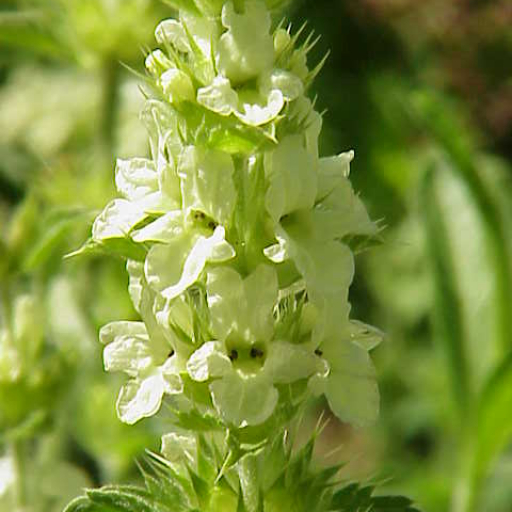
Plant Overview
Often called "Mountain Tea" or "Ironwort," Sideritis hyssopifolia is a resilient little shrub that clings to the limestone crags of the European Alps and Pyrenees. In Spain, it is famously known as Té de Roca, prized for centuries as a soothing herbal remedy. This plant embodies the spirit of the high mountains—tough, aromatic, and surprisingly delicate when its yellow blooms emerge.
🔍 How to Identify
- 🌼 The Flowers: Look for small, pale yellow or lemon-colored blossoms arranged in dense, terminal spikes that look like miniature pinecones.
- 🌿 The Foliage: The leaves are narrow, elongated, and green, bearing a striking resemblance to Hyssop, which gives the plant its specific name (hyssopifolia).
- 🌫️ The Texture: The stems and leaves are often covered in fine, silvery hairs, which help the plant retain moisture in dry, windy environments.
🏡 In Your Garden
- 🪨 The "Rougher" the Better: This plant hates "pampering." It thrives in poor, rocky, or limestone-heavy soil. If your garden soil is too rich or damp, the plant may lose its aroma or suffer from root rot.
- ☀️ Sun-Worshipper: To mimic its alpine home, plant it in the sunniest spot available. It uses its hairy leaves to reflect intense UV rays, making it a perfect candidate for xeriscaping or drought-tolerant rock gardens.
⚠️ Safety & Toxicity
- 🍵 Status: Generally considered safe and is widely consumed as a traditional herbal tea.
- 🐾 Details: There are no known major toxicities for pets or children. However, as with any aromatic herb, large amounts of ingestion by cats or dogs could lead to mild digestive upset. Always ensure the plant hasn't been treated with chemical pesticides if you intend to use it for tea.
✨ Fun Fact
The genus name Sideritis comes from the Greek word for "iron." In ancient times, it was believed that plants in this family were capable of healing wounds caused by iron weapons, such as swords or spearheads, earned during battle.

Detailed Care Instructions
To grow Sideritis Hyssopifolia, also known as the hyssop-like ironwort, you can follow these steps:
- Obtain seeds: Purchase Sideritis Hyssopifolia seeds from a reputable nursery or online seed store. Alternatively, you can try to gather seeds from mature plants if available.
- Choose the right location: Select a suitable location with well-draining soil, preferably rich in organic matter. The plant prefers full sun to partial shade, so pick a spot that receives at least 6 hours of direct sunlight.
- Prepare the soil: Clear the planting area of any weeds or debris. Loosen the soil using a garden fork or tiller and add compost or well-rotted manure to improve the soil's fertility and drainage.
- Sow the seeds: Sprinkle the seeds evenly onto the prepared soil and lightly press them into the surface. Keep in mind that Sideritis Hyssopifolia seeds require light for germination, so avoid covering them with soil.
- Watering: Water the seeds gently to keep the soil slightly moist but not soggy. Be careful not to overwater, as excessive moisture can cause the seeds to rot. Use a fine mist or spray bottle to prevent dislodging the seeds.
- Germination: Sideritis Hyssopifolia seeds usually germinate within 2-3 weeks. Keep the soil consistently moist during this period.
- Transplanting: Once the seedlings have grown a few inches tall and developed a good root system, carefully transplant them into individual pots or into the ground outdoors. Space the plants at least 12-18 inches apart to allow for proper growth.
- Care: Water the plants regularly, ensuring the soil doesn't dry out completely. However, avoid overwatering as it can lead to root rot. Mulching around the base of the plants can help retain moisture and suppress weed growth.
- Pruning: Periodically prune the plants to encourage bushier growth and remove any dead or diseased parts.
- Harvesting: Harvest leaves and flowers when they are at their peak, but make sure not to remove more than one-third of the plant's growth at a time. Dry the harvested parts by hanging them upside-down in a dry, well-ventilated area. Store in sealed containers away from excess moisture and sunlight.
By following these steps, you can successfully grow Sideritis Hyssopifolia plants and enjoy their unique beauty and potential medicinal benefits.

Place in a bright room that is sun drenched almost all day. Or directly in a south-facing window.

Sideritis Hyssopifolia belongs to the family Lamiaceae and is a small herbaceous plant that requires moderate watering. The soil around the plant should be kept moist, but not waterlogged as excessive water may cause root rot. The plant should be watered deeply once a week during the growing season and once every two weeks during the dormant season. It is essential to water the plant at the base and avoid getting water on the leaves as this could cause fungal diseases. The plant should not be watered during the rainy season or very humid conditions as this may lead to fungal or bacterial infections. Overall, Sideritis Hyssopifolia prefers well-draining soil and moderate, consistent watering.
To properly fertilize this plant, you should apply a slow-release fertilizer during the early stages of growth. After that, provide a balanced water-soluble fertilizer once a month during the growing season. Be cautious not to over-fertilize as this can lead to excessive leaf growth at the expense of blooming.
Sideritis Hyssopifolia thrives in well-draining and nutrient-rich soil that is moderately fertile. The soil should have a pH range between slightly acidic to slightly alkaline. It prefers soil that is slightly damp but not waterlogged, as excessive moisture can lead to root rot. A mix of sandy, loamy, and clay soil is ideal for providing good drainage while retaining enough moisture for the plant's needs. Additionally, incorporating organic matter into the soil can help improve its overall quality and fertility, allowing the plant to grow and thrive.
To propagate this plant, you should take a cutting from a healthy mature plant during its growing season. Using a clean and sharp cutting tool, cut a section of stem with a few leaves, making sure it's at least 4 inches long. Remove the lower leaves from the stem, leaving only a few at the top. Dip the cut end of the stem in rooting hormone powder and plant it in a well-draining soil mix. Water the soil thoroughly and cover the cutting with a clear plastic bag to create a mini greenhouse effect. Keep the soil moist but not waterlogged and place the cutting in a bright and warm location that receives indirect sunlight. After a few weeks, the plant should start producing new growth, which indicates that it has rooted. Gradually remove the plastic bag and expose the new plant to more sunlight until it's grown enough to be transplanted into a larger pot or into the garden.








