Plant Overview
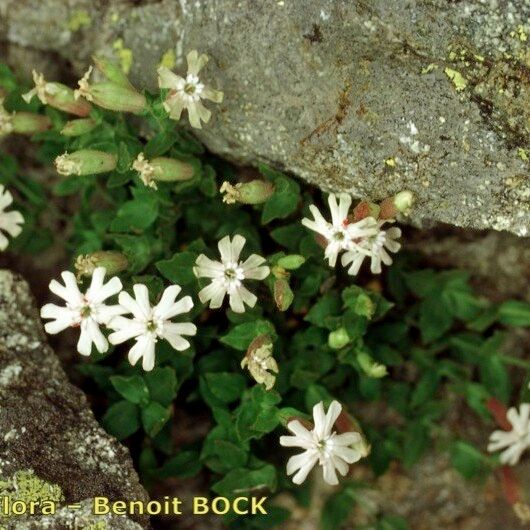
Known as the Heart-leaved Catchfly, this dainty alpine beauty hails from the sun-drenched, rocky slopes of the Southwestern Alps and Pyrenees. Its name is a nod to its romantic, heart-shaped foliage, but don't let its delicate looks fool you; it is a hardy survivor designed to cling to mountain crevices where other plants would wither. It belongs to the "Catchfly" family, named for the sticky secretions on its stems that act as a botanical "no-trespassing" sign for crawling insects.
🔍 How to Identify
- 💓 The Leaves: Small, opposite leaves that are distinctly heart-shaped (cordate) and often covered in fine, soft hairs.
- 🌸 The Bloom: Five deeply notched petals that look like tiny white or pale pink ribbons, emerging from a slightly "inflated" or swollen base (the calyx).
- 🕸️ The "Sticky" Stem: The stems are often glandular and tacky to the touch, a feature used to trap small ants or thrips that might try to steal nectar.
🏡 In Your Garden
- ⛰️ Alpine Aspirations: Because it naturally lives in mountain cracks, it hates "wet feet." In a garden setting, it requires exceptional drainage and thrives in rock gardens, stone walls, or gravelly pots.
- 🌬️ Tough as Nails: This plant is adapted to high-altitude winds and intense sun. It prefers a spot that mimics its home—bright, airy, and with very little organic "muck" in the soil. It is a slow grower that prioritizes stability over speed.
⚠️ Safety & Toxicity
- 🟢 Generally Safe: Silene cordifolia is not known to be highly toxic to humans or common garden visitors.
- 🐾 Pet Nuance: Like many members of the Caryophyllaceae family, the plant contains saponins. While not usually dangerous, if a pet eats a large quantity, they might experience mild gastrointestinal upset or drooling.
✨ Fun Fact
The genus name Silene is believed to be derived from Silenus, the drunken foster father of the Greek god Dionysus. Silenus was often described as being covered in a sticky foam—much like the frothy, glandular secretions found on the stems of many catchfly species!

Detailed Care Instructions








