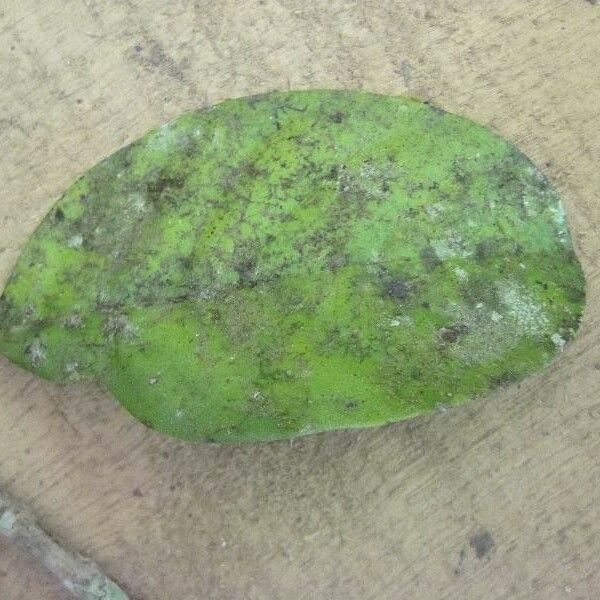
Plant Overview
Known for its distinctively scented foliage, Siparuna decipiens is a hidden gem of the Neotropical rainforests. Often called "Aromatic Siparuna," this plant is prized in its native range for its medicinal lore and its ability to fill the humid air with a sharp, citrusy fragrance. It is a classic understory specialist, thriving where the light is dappled and the air is thick with moisture.
🔍 How to Identify
- 🍃 Leaf Texture: The leaves are typically opposite, elliptical, and have a slightly "bumpy" or rugose texture with prominent veining.
- 🍋 The "Scent Test": This is the easiest way to identify it—when crushed, the leaves release a powerful, pungent aroma reminiscent of lemon, ginger, or citronella.
- 🟢 Inconspicuous Flowers: It produces small, cup-like flowers that are often greenish or yellowish and grow in clusters along the stems.
- 🔴 Fleshy Fruit: The plant produces small, berry-like fruits that often turn reddish or dark purple when mature, sometimes splitting open to reveal seeds.
🏡 In Your Garden
- ☁️ Humidity is King: This plant is a true child of the tropics; it will struggle in dry, air-conditioned environments. If grown indoors, it requires a humidifier or a dedicated misting schedule to prevent leaf browning.
- ⛅ Understory Lighting: Because it evolved beneath the dense Amazonian canopy, direct afternoon sun will scorch its leaves. It performs best in bright, filtered light or "dappled shade."
- 💧 Hydration Nuance: It prefers "moving" moisture—soil that stays consistently damp but drains freely. It hates "wet feet" (stagnant water) but will drop its leaves almost immediately if the soil dries out completely.
⚠️ Safety & Toxicity
- 🐾 Pet Caution: While not considered "deadly," the concentrated essential oils in the leaves can cause digestive upset, drooling, or vomiting if ingested by cats or dogs.
- 🧘 Skin Sensitivity: The high concentration of volatile compounds (sequiterpenes) in the sap may cause mild skin irritation or redness in sensitive individuals after pruning.
- 🚫 Consumption: Although used in traditional Amazonian medicine for fevers, it should never be consumed as a tea or remedy without expert pharmacological guidance.
✨ Fun Fact
In many indigenous Amazonian cultures, the leaves of Siparuna species are used in ritual "herbal baths." These baths are believed to provide spiritual protection and are frequently used in traditional medicine to help "cool" a person suffering from a high fever.

Detailed Care Instructions

Place in a window with dappled sun or a spot in the middle of a room. Or directly in a window facing west or east.

When the top few inches of soil dry out, water your plants. If the top few inches of soil are still moist, do not water your plant. Wait a few days, then poke your finger into the soil to see if anything has changed. Overwatering poses a disease risk, such as the development of fungal diseases in the roots. These plants have adaptations in there leaves that allow them to survive in low water supply.








