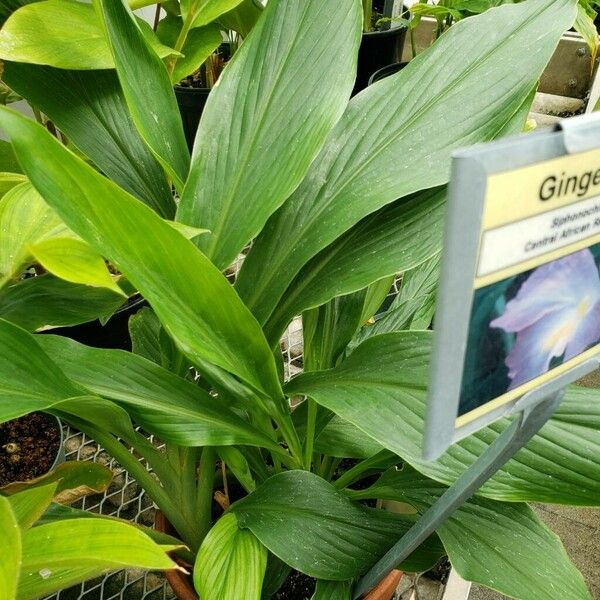
Plant Overview
Known affectionately as the "Rose Ginger" or "Kirk’s Ginger," this East African treasure is a showstopper for shade gardens. Unlike the tall, lanky gingers many are used to, Siphonochilus kirkii stays low to the ground, offering a lush, tropical feel with its broad leaves. It is famous for its "pop-up" flowers that look more like delicate orchids than typical ginger blooms, often appearing just as the rainy season begins in its native habitat.
🔍 How to Identify
- 🍃 Pleated Foliage: The leaves are large, lance-shaped, and feature a distinct "ribbed" or pleated texture. They grow in a tidy rosette, resembling a tropical hosta.
- 🌸 Lavender Blooms: The flowers are exceptionally beautiful, featuring soft pink to lavender petals with a contrasting bright yellow "eye" at the center.
- 🌱 Ground-Hugging Growth: This species rarely grows taller than 12–18 inches. The flowers often emerge from the base of the plant, sometimes appearing before the leaves are fully unfurled.
🏡 In Your Garden
- 💤 Respect the Nap: This plant is deciduous and goes completely dormant in the winter. The leaves will yellow and die back; this is the plant’s natural "sleep" cycle. It is vital to stop watering during this time to prevent the underground rhizomes from rotting.
- ☁️ Dappled Sunlight: In the wild, it lives on the forest floor. It craves "bright shade"—think of the light that filters through a canopy of trees. Direct afternoon sun will quickly scorch those delicate, broad leaves.
⚠️ Safety & Toxicity
- ✅ Non-Toxic Status: Siphonochilus kirkii is generally considered safe and non-toxic to humans.
- 🐾 Pet Safety: While it is not listed as a poisonous plant for cats or dogs, it’s always best to discourage chewing. Ingesting large amounts of any non-dietary plant material can lead to mild digestive upset in curious pets.
✨ Fun Fact
While we use common ginger (Zingiber officinale) for cooking, the Rose Ginger is part of a group of "medicinal gingers" in Africa. In its native regions, the aromatic rhizomes are historically used in traditional medicine to treat everything from toothaches to respiratory issues!

Detailed Care Instructions
Siphonochilus kirkii, commonly known as Kirk's Siphonochilus, is a perennial herb native to tropical Africa. Growing this plant can be rewarding, especially since it’s appreciated for its aesthetic appeal and potential medicinal properties. Here are some tips on how to grow Siphonochilus kirkii:
1. Location and Light:
- Light: Siphonochilus kirkii prefers partial shade to full shade. Direct sunlight can scorch the leaves, so it's best to place it in a location that receives filtered light.
- Temperature: This plant thrives in warm, humid conditions typical of its native habitat.
2. Soil Requirements:
- Soil Type: Use a well-draining, rich, organic soil. A mix of loamy soil with compost and some sand or perlite works well.
- pH Level: Aim for a slightly acidic to neutral pH of around 6.0 to 7.0.
3. Watering:
- Water regularly but ensure the soil is not waterlogged. Overwatering can lead to root rot. Allow the top inch of soil to dry out before the next watering.
4. Humidity:
- Siphonochilus kirkii loves humidity, so if you are in a dry environment, consider using a humidity tray or a misting regimen to keep the air moist.
5. Fertilization:
- Feed the plant with a balanced, water-soluble fertilizer every 4-6 weeks during the growing season (spring and summer).
6. Propagation:
- Division: The most common method of propagation is through division of the rhizomes. This can be done in spring. Make sure each division has healthy roots and some shoots.
- Seeds: If available, seeds can also be used, though this method is less common for home gardeners.
7. Pests and Diseases:
- Keep an eye out for common pests like aphids and mealybugs. Treatment with insecticidal soap or neem oil can be effective if needed.
- Ensure good air circulation around your plants to prevent fungal diseases.
8. Mulching:
- Apply a layer of organic mulch around the base of the plant to help retain moisture and suppress weeds.
9. Harvesting:
- If you’re growing it for medicinal purposes, you can harvest the rhizomes once the plant is well-established (usually after a year or two). Make sure to leave some rhizomes in the ground to ensure future growth.
10. Winter Care:
- If you live in a cooler climate, consider bringing the plant indoors during winter or protect it from freezing temperatures.
By following these care guidelines, you should be able to successfully grow Siphonochilus kirkii and enjoy its lush foliage and potential benefits.

Siphonochilus kirkii is a tropical plant that requires specific watering practices to thrive. Here are some detailed guidelines for watering this plant:
1. Soil Moisture: Ensure the soil remains consistently moist but not waterlogged. Check the top inch of the soil; if it feels dry at this depth, it’s time to water.
2. Water Quality: Use room temperature, non-chlorinated water if possible. Rainwater or distilled water is ideal, as it mimics the plant’s natural environment.
3. Watering Technique: Water the plant thoroughly, allowing the water to soak deep into the soil. Water until you see excess moisture draining from the bottom of the pot, ensuring that the root system receives adequate hydration.
4. Frequency: The frequency of watering will depend on your specific environment. In warmer months, you may need to water more frequently—possibly every few days. In cooler or more humid conditions, watering might be required less often, perhaps once a week.
5. Humidity Considerations: This plant prefers high humidity. Misting can be beneficial, especially in dry climates. You can also place the pot on a tray filled with pebbles and water to increase humidity around the plant without saturating the roots.
6. Signs of Overwatering or Underwatering: Monitor the leaves for signs of distress. Yellowing leaves may indicate overwatering, while browning edges or wilting could suggest underwatering. Adjust your watering practices accordingly.
7. Seasonal Adjustments: Be aware of seasonal changes. During the growing season (spring and summer), your plant will likely require more water. In contrast, during dormancy (fall and winter), reduce the frequency to avoid root rot.
8. Drainage: Ensure that the pot has adequate drainage holes to prevent standing water. This is crucial for preventing root rot, a common issue with excessive moisture.
By following these guidelines, you can maintain proper hydration for your Siphonochilus kirkii and promote healthy growth.
Siphonochilus kirkii is a tropical plant that benefits from careful fertilization to support its growth. Here are some fertilizing instructions:
- Fertilizer Type: Use a balanced, water-soluble fertilizer with an NPK ratio such as 15-15-15 or a specialized formula for tropical plants. Consider organic options like fish emulsion or seaweed extract as well.
- Dilution: When using synthetic fertilizers, dilute the solution to half the recommended strength to avoid over-fertilization.
- Frequency: Fertilize every 4-6 weeks during the growing season (spring and summer). Reduce or stop fertilizing during the dormant period (fall and winter).
- Application Method: Apply the fertilizing solution evenly around the base of the plant, ensuring it reaches the root zone. Avoid direct contact with the leaves and stems to prevent burning.
- Moisture: Ensure the soil is adequately moist before applying fertilizer. Water the plant thoroughly if the soil is dry to prevent stress and allow the nutrients to be absorbed effectively.
- Soil Test: Conduct a soil test occasionally to monitor nutrient levels and pH. This can help tailor your fertilization approach to meet the plant's specific needs.
- Observation: Monitor the plant's growth and health. Yellowing leaves or stunted growth may indicate nutrient deficiencies, while brown leaf tips could suggest over-fertilization.
By following these guidelines, you can help promote the healthy growth of Siphonochilus kirkii while avoiding common fertilization pitfalls.
Siphonochilus kirkii thrives in a soil that provides good drainage while also retaining some moisture. The ideal soil mix should consist of the following components:
- Loamy Soil: A well-balanced loamy soil is beneficial as it provides a mix of sand, silt, and clay, ensuring aeration while retaining nutrients.
- Organic Matter: Incorporate well-rotted organic matter, such as compost or aged leaf mold, to improve soil fertility and enhance moisture retention.
- Sand or Perlite: Adding sand or perlite helps improve drainage and aeration, preventing waterlogging, which is crucial for the health of the roots.
- Acidic pH: This plant prefers slightly acidic to neutral pH levels (around 6.0 - 7.0). You may wish to check the pH of your soil mix and amend it with sulfur or peat moss if necessary to lower the pH.
- Mulch: A layer of organic mulch on top can help retain moisture in the soil while suppressing weeds and maintaining a stable temperature for the root system.
Providing these conditions will create a suitable environment for growth, encouraging healthy root development and overall vitality of the plant.
Siphonochilus kirkii is a perennial herb that can be propagated through a few methods, primarily by division and seed propagation. Here’s a detailed guide on how to propagate this plant:
Propagation by Division
- Timing: The best time to propagate through division is in the spring or early fall when the plant is actively growing.
- Preparation:
- Gather tools: You will need a sharp, clean spade or garden knife, pruning shears, and gloves.
- Prepare pots with a well-draining potting mix if you are not replanting directly in the garden.
- Gather tools: You will need a sharp, clean spade or garden knife, pruning shears, and gloves.
- Division Process:
- Water the parent plant a day before you plan to divide it to reduce stress.
- Carefully lift the plant from the ground using your spade or garden fork, being cautious not to damage the roots.
- Shake off excess soil to expose the root system.
- Identify natural divisions in the root system. Each division should have a healthy portion of roots and a few stems.
- Use your knife to cut through the roots, ensuring that each division has at least one growing point.
- Water the parent plant a day before you plan to divide it to reduce stress.
- Replanting:
- Replant the divisions immediately into prepared pots or designated garden spots. Plant them at the same depth they were originally growing.
- Water well after planting to help settle the soil around the roots and encourage good establishment.
- Replant the divisions immediately into prepared pots or designated garden spots. Plant them at the same depth they were originally growing.
- Aftercare:
- Keep the soil consistently moist but not soggy as the new divisions establish.
- Provide partial shade and protection from strong winds for the first few weeks until the plants are rooted and growing strongly.
Propagation by Seed
- Keep the soil consistently moist but not soggy as the new divisions establish.
- Seed Collection:
- Wait for the seed pods to mature and dry on the plant. Harvest seeds when the pods turn brown and begin to split.
- Store seeds in a cool, dry place until ready for sowing.
- Wait for the seed pods to mature and dry on the plant. Harvest seeds when the pods turn brown and begin to split.
- Sowing Seeds:
- Fill seed trays or pots with a well-draining seed-starting mix.
- Sow seeds on the surface of the soil and lightly press them down; do not cover them as they require light to germinate.
- Mist the surface with a spray bottle to moisten without oversaturating.
- Fill seed trays or pots with a well-draining seed-starting mix.
- Germination Conditions:
- Place the trays in a warm location with indirect light. Maintain a temperature between 20°C to 25°C (68°F to 77°F).
- Keep the soil consistently moist but not waterlogged. A humidity dome can help retain moisture.
- Place the trays in a warm location with indirect light. Maintain a temperature between 20°C to 25°C (68°F to 77°F).
- Transplanting:
- Once seedlings have developed true leaves and are large enough to handle, carefully transplant them into individual pots.
- Continue to provide them with bright, indirect light and keep them moist until they are ready for outdoor planting.
- Once seedlings have developed true leaves and are large enough to handle, carefully transplant them into individual pots.
- Acclimatization:
- Before planting outside, acclimate the young plants by gradually introducing them to outdoor conditions over a week or two.
General Care
Regardless of the propagation method, ensure that the plants are kept in an environment that meets their light, moisture, and temperature needs. They prefer partial shade and well-draining soil rich in organic matter. Regular monitoring for pests and diseases will help maintain healthy growth.
By following these steps, you can successfully propagate Siphonochilus kirkii, ensuring a healthy supply of this interesting plant.
- Before planting outside, acclimate the young plants by gradually introducing them to outdoor conditions over a week or two.








