Plant Overview
Often called the Mullein Nightshade, this rugged evergreen shrub is a master of coastal survival. Native to the sun-drenched landscapes of Florida, Mexico, and the Caribbean, it earns its nickname from its thick, velvety leaves that mimic the texture of the common Mullein plant. While it shares a family tree with your garden tomatoes and potatoes, this wild relative is strictly ornamental and plays a vital role in supporting local bird populations.
🔍 How to Identify
- 🌿 Velvety Foliage: The leaves are the standout feature—elliptic in shape, grayish-green, and covered in a fine layer of soft, star-shaped hairs that feel like felt to the touch.
- 🌸 Star-Shaped Blooms: It produces clusters of small, white, five-petaled flowers with prominent yellow centers (anthers), a classic visual hallmark of the Nightshade family.
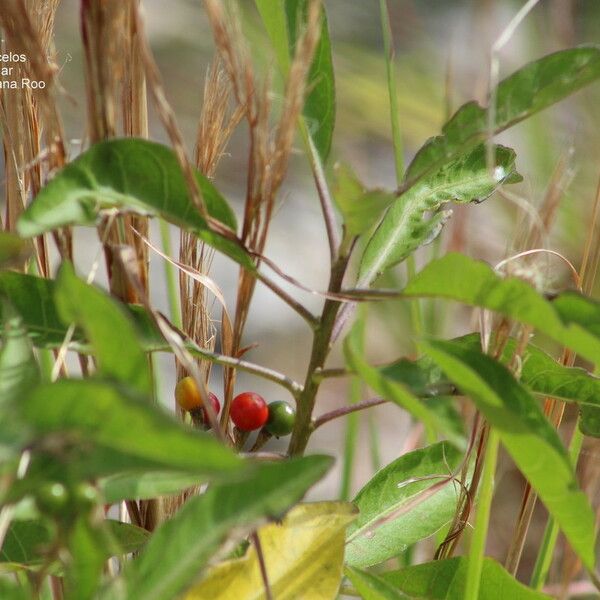
- 🟠 Marble-Like Berries: Following the flowers, the plant produces round, smooth berries that transition from green to a dull yellow or orange as they ripen.
🏡 In Your Garden
- ☀️ Coastal Toughness: This plant is incredibly salt-tolerant and drought-resistant once established. It thrives in sandy, well-draining soils where other plants might wither under the salt spray.
- 🦋 Wildlife Magnet: While not for human consumption, the berries are a favorite snack for many tropical bird species, and the flowers provide a steady nectar source for pollinators.
- ✂️ Growth Habit: It can grow quite leggy if left alone; light pruning helps maintain a bushy, attractive shape, especially if you are using it as a privacy screen or hedge.
⚠️ Safety & Toxicity
- 🚫 Toxic if Ingested: Like many members of the Solanum genus, the entire plant—especially the unripe berries—contains solanine and other alkaloids.
- 🐾 Pet & Child Safety: Keep this plant out of reach of curious pets and toddlers. Ingestion can cause gastrointestinal distress, drooling, and lethargy.
- 🧤 Skin Sensitivity: The fine hairs on the leaves can occasionally cause mild skin irritation for people with sensitive skin; wearing gloves while pruning is recommended.
✨ Fun Fact
The "Mullein" in its common name is a case of botanical mimicry! It evolved those thick, silvery hairs not to look like the Mullein plant, but as a clever defense mechanism to reflect intense UV rays and trap moisture in harsh, windy coastal environments.

Detailed Care Instructions

Place in a bright room that is sun drenched almost all day. Or directly in a south-facing window.

Some plants require more regular watering than others, which should be done every few days. It's critical to maintain the soil moist all of the time. The water requirements of the same plant placed in pots with varying sizes will differ. Because the water in the smaller pot evaporates faster than the water in the larger pot, it will require more watering. Regardless of pot size, the surface should constantly be maintained moist.








