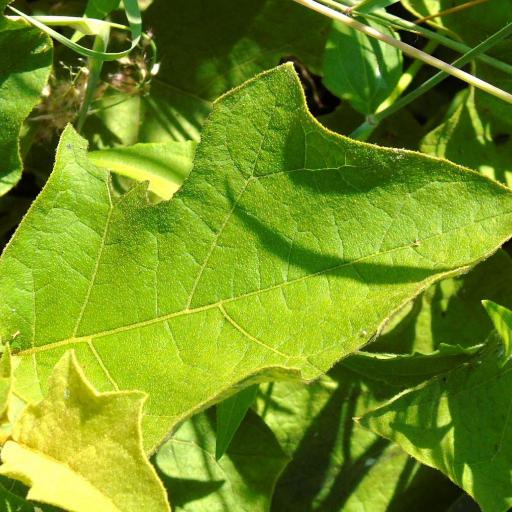
Plant Overview
Known commonly as the Rusty Nightshade, Solanum ferrugineum is a striking member of the potato family that looks as though it has been dusted in a fine layer of cinnamon. Native to the warm landscapes of Mexico and Central America, this shrub is a master of contrast, pairing soft, velvety textures with sharp, protective spines. While its star-shaped blooms are beautiful, it carries the classic "wild" reputation of the nightshade family.
🔍 How to Identify
- 🍂 Ferruginous Hairs: The most defining feature is the dense coating of star-shaped, rusty-orange hairs (trichomes) that cover the stems and young leaves, giving the plant a fuzzy, metallic appearance.
- ⭐ Violet Blooms: It produces clusters of classic Solanum flowers—five-lobed, star-shaped petals in shades of violet or pale blue, centered with a distinctive "beak" of bright yellow anthers.
- ⚔️ Prickly Stems: Don't let the velvet fool you; the stems and even the midribs of the leaves are often armed with sharp, straight prickles designed to deter herbivores.
🏡 In Your Garden
- ☀️ Sun Enthusiast: This plant is a sun-lover that thrives in open, disturbed areas. In a garden setting, it requires plenty of light and well-draining soil to maintain its vibrant rusty coloration.
- 🌱 Resilient Structure: It is a woody, perennial shrub that can reach heights of 6 to 10 feet. Because of its vigorous growth and prickly nature, it is often treated as a landscape curiosity rather than a focal bedding plant.
⚠️ Safety & Toxicity
- 🚫 Toxic Status: High. Like many wild relatives of the tomato and potato, Solanum ferrugineum contains solanine and other alkaloids that are toxic if ingested.
- 🐾 Risk to Pets: The yellow-green berries may look enticing to curious pets or children, but they can cause severe gastrointestinal distress, drooling, and lethargy. Always wear gloves when pruning to avoid skin irritation from the fine hairs and sharp spines.
✨ Fun Fact
The "rusty" hairs on the leaves aren't just for show—they function as a sophisticated defense system. They make it difficult for small insects to crawl on the surface and help the plant reflect intense sunlight, preventing the leaves from drying out in harsh climates.

Detailed Care Instructions
To grow Solanum Ferrugineum, also known as the Rusty Nightshade or Wild Tomato, you can follow these steps:
- Purchase seeds or young plants from a reputable source. Solanum Ferrugineum is not commonly available commercially, so you may need to look for specialized nurseries or seed catalogs.
- Choose the right location: Solanum Ferrugineum prefers full sun, so select a spot in your garden that receives at least 6 hours of direct sunlight each day. The soil should be well-draining and fertile.
- Prepare the soil: Amend your soil by adding organic matter such as compost or well-rotted manure. This will improve the soil structure, drainage, and fertility.
- Sow or transplant: If starting from seeds, follow the packet instructions for proper sowing depth and spacing. If transplanting young plants, dig a hole large enough to accommodate the root ball and gently place the plant in the hole. Fill the hole with soil and firm it gently around the base of the plant.
- Watering: Solanum Ferrugineum prefers consistently moist soil but does not tolerate waterlogged conditions. Water regularly, especially during dry periods, making sure the soil remains evenly moist but not soggy.
- Mulching: Apply a layer of organic mulch (such as straw, wood chips, or shredded leaves) around the plants to suppress weeds and help retain soil moisture.
- Fertilization: As Solanum Ferrugineum is a heavy feeder, periodic fertilization may be necessary. Apply a balanced organic fertilizer every 4-6 weeks during the growing season according to the manufacturer's instructions.
- Support: As the plant grows, it may require support in the form of stakes or trellises to keep it upright. Secure the plant gently to the support structure, taking care not to damage the stems.
- Pruning: Regularly remove any dead or diseased branches to maintain plant health. You can also prune back the plant after it has finished flowering to encourage bushier growth.
- Pest and disease control: Solanum Ferrugineum is generally resistant to pests and diseases. However, keep an eye out for common tomato pests like aphids, whiteflies, or tomato hornworms. If a problem arises, use organic pest control methods such as handpicking, insecticidal soap, or neem oil.
Remember to check your local gardening and plant regulations as some regions may consider Solanum Ferrugineum as an invasive species.

Place in a bright room that is sun drenched almost all day. Or directly in a south-facing window.

Solanum Ferrugineum is a type of flowering plant that requires regular watering in order to thrive. To water this plant, it is important to first make sure that the soil is slightly dry to the touch before adding water. Overwatering can lead to root rot and other issues.
To water Solanum Ferrugineum, the soil should be moistened evenly. This can be done by pouring water slowly at the base of the plant until it begins to drain out of the bottom of the pot or container. It is important to avoid getting water on the leaves and flowers as this can lead to fungal growth and other problems.
During periods of hot and dry weather, Solanum Ferrugineum may require more frequent watering. It is also a good idea to add a layer of mulch around the plant to help retain moisture in the soil.
In summary, watering Solanum Ferrugineum involves ensuring that the soil is slightly dry before adding water, moistening the soil evenly, avoiding getting water on the leaves and flowers, and adjusting watering frequency based on environmental conditions.
To fertilize the Solanum ferrugineum plant, follow these instructions:
- Choose a balanced fertilizer with equal nitrogen (N), phosphorus (P), and potassium (K) ratios, such as a 10-10-10 or 20-20-20.
- Dilute the fertilizer according to the package instructions. Typically, a 1:2 or 1:4 ratio of fertilizer to water is recommended.
- Water the plant thoroughly before applying the fertilizer to ensure the soil is moist.
- Pour the diluted fertilizer solution slowly and evenly around the base of the plant. Avoid splashing the leaves.
- Use caution not to over-fertilize, as excessive nutrients can harm the plant. Stick to the recommended application rates mentioned on the fertilizer package.
- After applying the fertilizer, water the plant again to help the nutrients seep into the soil.
- Repeat the fertilization process every 2-4 weeks during the growing season (spring and summer). Adjust the frequency based on the plant's response and overall health.
- Monitor the plant for any signs of nutrient deficiency or excess. Adjust the fertilizer regime accordingly, ensuring it receives the essential nutrients it needs.
Remember, different regions may have specific climate conditions that affect fertilization requirements. It is always beneficial to consult local gardening resources or seek advice from professionals to optimize the fertilization process for your Solanum ferrugineum plant.
The soil recommended for the Solanum Ferrugineum plant is a well-draining soil mix with a pH range of 5.5-6.5. The soil mix should ideally consist of a combination of organic matter, such as compost or peat moss, and inorganic matter, such as perlite or sand. This will promote healthy root growth and prevent waterlogged soil, which can lead to root rot. Additionally, it is important to ensure that the soil is not too compacted, as this can hinder root development. Regular fertilization is also recommended to provide essential nutrients for the plant's growth.
To propagate Solanum Ferrugineum, you can follow these steps:
- Gather ripe fruit: Locate a healthy Solanum Ferrugineum plant that has produced ripe fruits. The fruits usually have a round shape and are often bright in color. Harvest a few of these fruits, ensuring they are fully ripe and not damaged.
- Extract the seeds: Cut open the ripe fruit and carefully remove the seeds. There are usually numerous seeds embedded within the fruit's flesh. Gently separate the seeds from the pulp without damaging them.
- Clean the seeds: Rinse the seeds under water to remove any remaining fruit residue. You can use a strainer or sieve to make this process easier. Ensure the seeds are clean and free from any attached material.
- Prepare the planting medium: Solanum Ferrugineum seeds prefer a well-draining soil mix. Prepare a suitable planting medium by combining equal parts of peat moss, perlite, and vermiculite. Mix them thoroughly to create a homogenous blend.
- Planting the seeds: Fill small pots or containers with the prepared planting medium. Sow the Solanum Ferrugineum seeds about 1/4 inch deep into the soil. Place one or two seeds per pot, ensuring they are adequately spaced.
- Moisture and temperature: After planting, water the pots gently to provide moisture to the seeds. Place the pots in a warm location, ideally between 70-80°F (21-27°C). Maintain the soil moisture by watering whenever the top inch of soil feels dry.
- Germination: Solanum Ferrugineum seeds usually take around 2-4 weeks to germinate. During this time, make sure the pots receive indirect sunlight to aid in the germination process. Ensure the pots are not exposed to direct sunlight to prevent excessive drying of the soil.
- Transplanting: Once the seedlings have emerged and have grown two to three sets of true leaves, they are ready to be transplanted into larger pots or containers. Gently remove the seedlings from the original pots and plant them in the new containers filled with well-draining soil.
- Care and growth: Provide proper care for the Solanum Ferrugineum plants by placing them in a location with bright, indirect sunlight. Water them regularly, keeping the soil slightly moist, but avoid overwatering. Feed the plants with a balanced fertilizer every two to four weeks during the growing season.
By following these steps, you can successfully propagate Solanum Ferrugineum and enjoy the growth and development of this unique plant.








