Plant Overview
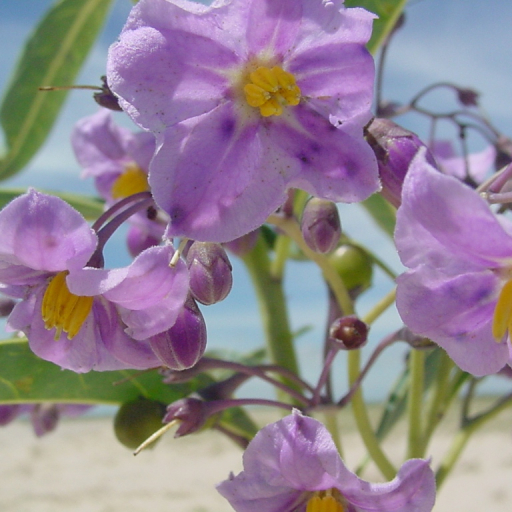
Often called the Wax-leaved Nightshade, this striking South American native is as beautiful as it is notorious. Its metallic, bluish-green foliage gives it a ghostly appearance that stands out in damp meadows and wetlands. While it may look like an elegant ornamental shrub, it holds a dark reputation among ranchers because of its potent and dangerous biological effects on livestock.
🔍 How to Identify
- 🌿 The Foliage: The leaves are long, spear-shaped, and covered in a fine waxy coating that gives them a distinct "glaucous" (pale blue-gray) shimmer.
- 🌸 The Blooms: It produces clusters of star-shaped, purple to lilac flowers with bright yellow "beaks" (anthers) in the center, typical of the nightshade family.
- 🫐 The Fruit: After flowering, small, globose berries appear, turning a deep dark blue or black when they reach full maturity.
🏡 In Your Garden
- 💧 Water Enthusiast: Unlike many of its drought-tolerant cousins, this plant thrives in "wet feet" conditions. It naturally occurs in floodplains and low-lying areas that stay soggy for long periods.
- 🌱 Rhizome Runner: It spreads aggressively through underground stems (rhizomes). This means once it settles in, it can be very difficult to remove and may quickly crowd out other plants in a garden bed.
⚠️ Safety & Toxicity
- 🚫 High Toxicity: EXTREMELY TOXIC. This plant is infamous for causing "calcinosis," a condition where calcium deposits form in the soft tissues like the heart, lungs, and joints of animals that graze on it.
- 🐾 Pet & Human Danger: All parts of the plant contain Vitamin D-like compounds that can lead to severe organ damage or death if ingested by dogs, cats, or humans. It is best kept away from any areas where children or pets play.
✨ Fun Fact
- 🧬 Vitamin D Factory: Solanum glaucophyllum is one of the very few plants in the world that naturally contains a potent form of Vitamin D3. Because of this, scientists have studied its leaves as a potential organic source for treating bone diseases in humans and vitamin deficiencies in poultry!

Detailed Care Instructions
To grow Solanum glaucophyllum, also known as snowy nightshade, you can follow these steps:
- Choose a suitable location: Select a spot that receives full to partial sun exposure. The plant can tolerate a range of soil types but prefers well-draining soil.
- Propagation: You can grow Solanum glaucophyllum from seeds or by taking stem cuttings. If starting from seeds, sow them in a seed tray filled with seed-starting mix and keep the soil moist until germination. For stem cuttings, take a 4-6 inch cutting from a healthy, mature plant and remove the lower leaves. Dip the cut end in rooting hormone and place it in a pot filled with well-draining potting mix.
- Planting: Once the seedlings or cuttings have developed a strong root system, transplant them into individual pots or directly into the ground. Space the plants about 2-3 feet apart if planting multiple specimens.
- Watering and maintenance: Water the plants regularly, keeping the soil moist but not waterlogged. Avoid overwatering, as it can lead to root rot. Apply a layer of mulch around the base of the plant to help conserve moisture and suppress weed growth. Solanum glaucophyllum requires minimal pruning, but you can remove any dead or damaged branches to maintain its shape.
- Fertilization: Apply a balanced, slow-release fertilizer in early spring to provide necessary nutrients for healthy growth. Follow the instructions on the fertilizer package for application rates.
- Protection from pests and diseases: Solanum glaucophyllum is generally resistant to most pests and diseases. However, occasional aphid or whitefly infestations may occur. Monitor the plants regularly and treat any infestations with appropriate insecticidal soap or organic pest control methods.
- Winter protection: Solanum glaucophyllum is a tender perennial that may not tolerate frost. If you live in a region with cold winters, consider growing it as an annual or overwintering it indoors in a well-lit area until the warmer months.
Remember to research any specific requirements or considerations for Solanum glaucophyllum in your particular climate or region.
To ensure the optimal growth and health of the Solanum glaucophyllum plant, it is important to provide consistent and appropriate watering conditions. Here are some detailed guidelines to follow:
- Understanding the Plant's Watering Needs: Solanum glaucophyllum is a type of plant that thrives in dry or arid environments. It has adapted to survive in regions with limited water availability. As a result, it prefers infrequent but deep watering to promote root development and prevent overwatering.
- Soil Moisture Check: Before watering, it is essential to check the moisture level of the soil. Inserting your finger about an inch deep into the soil will allow you to feel the moisture content. Water the plant only when the top one to two inches of soil feels dry to the touch.
- Water Quantity: When watering the Solanum glaucophyllum plant, ensure that you provide enough water to reach the root zone. A deep watering encourages the plant roots to grow downwards in search of water, making it more resilient during dry periods. Aim to provide enough water to penetrate at least six inches into the soil.
- Watering Frequency: Due to the plant's water-saving adaptations, it is important to avoid frequent watering. Instead, water the plant deeply but less often. Depending on the local climate, a good rule of thumb is to water approximately once every 10 to 14 days during the growing season. However, this may vary depending on factors such as humidity, temperature, and soil type.
- Time of Day: Watering the Solanum glaucophyllum plant in the early morning or late afternoon is recommended. Avoid watering during the hottest part of the day when the sun is at its peak, as this can lead to excessive water evaporation and potential damage to the plant's foliage.
- Avoid Overwatering: Overwatering can be detrimental to the Solanum glaucophyllum plant, causing root rot and other issues. Ensure proper drainage by using well-draining soil or adding organic matter to improve soil structure. Additionally, always discard any excess water that collects in trays or saucers, as standing water can lead to root suffocation.
- Environmental Factors: Be mindful of variations in weather patterns, as extremely hot or dry conditions may necessitate additional watering. Similarly, rainy or humid periods may reduce the need for watering. Regularly monitor the plant's overall health and adjust watering accordingly.
Remember, these guidelines provide general recommendations for watering the Solanum glaucophyllum plant. Individual factors such as climate, plant size, container type (if potted), and soil conditions should always be taken into consideration to ensure the best watering practices for your specific plant.
To fertilize Solanum Glaucophyllum plants, follow these instructions:
- Choose a balanced fertilizer with equal ratios of nitrogen (N), phosphorus (P), and potassium (K). This could be something like a 10-10-10 or 20-20-20 blend.
- Dilute the fertilizer according to the packaging instructions. Typically, a dilution of 1 teaspoon of fertilizer per gallon of water is suitable for most plants.
- Water the Solanum Glaucophyllum plant thoroughly before applying the fertilizer. This will prevent fertilizer burn and ensure proper absorption.
- Avoid direct contact between the fertilizer and the plant's leaves or stem. Pour the diluted fertilizer solution around the base of the plant, ensuring it reaches the root zone.
- Apply the fertilizer every 4-6 weeks during the growing season, which is usually from spring to early fall. Reduce or halt fertilization during the plant's dormancy or resting period, usually in winter.
- Monitor the plant's response to fertilization. If you notice any signs of overfertilization, such as leaf burn or stunted growth, dilute the fertilizer further or reduce the frequency of application.
Remember, it is always recommended to read and follow the specific instructions provided by the fertilizer manufacturer and adjust the dosage based on the plant's needs and the soil conditions.
The ideal soil for Solanum Glaucophyllum plants should have specific characteristics to support their growth and health. It is recommended to use a well-draining soil mix that is rich in organic matter.
The soil should have a slightly acidic to neutral pH level, ideally ranging from 5.5 to 7.0. This pH range ensures that the plant can efficiently absorb essential nutrients from the soil.
Furthermore, the soil should be loose and friable, allowing proper root development and preventing waterlogged conditions. Adequate drainage is crucial to avoid the accumulation of excess moisture, which can lead to root rot and other fungal diseases.
Adding organic matter such as compost or well-decomposed manure to the soil mix can improve its structure, fertility, and moisture-retention capacity. This organic matter not only provides essential nutrients but also helps retain moisture around the roots.
It is important to note that Solanum Glaucophyllum plants prefer a soil type that is relatively rich in nutrients. Hence, incorporating a balanced slow-release fertilizer or organic fertilizers during planting or as regular feedings can provide a consistent supply of essential nutrients for healthy growth.
In summary, the recommended soil for Solanum Glaucophyllum plants should be well-draining, slightly acidic to neutral in pH, loose and friable, and rich in organic matter. Following these guidelines will help create an ideal environment for the plant's overall growth and development.
To propagate Solanum glaucophyllum, follow these steps:
- Select a mature, healthy Solanum glaucophyllum plant for propagation. Ensure it is free from diseases, pests, or any other issues.
- Prepare a clean, sharp knife or pair of pruning shears. Sterilize the cutting tool by wiping it with rubbing alcohol or dipping it in a solution of one part bleach to ten parts water. This helps prevent the spread of diseases from one plant to another.
- Choose a suitable stem for cutting. Look for a non-flowering, semi-hardwood stem that is about 4-6 inches long. The stem should be healthy, without any signs of damage or disease.
- Make a clean, diagonal cut just below a leaf node on the chosen stem. A leaf node is the point where a leaf is attached to the stem. Ensure that the cutting has at least one or two leaf nodes.
- Remove any leaves from the lower one-third to half of the cutting. This region will be buried in the propagation medium, and removing the leaves prevents excess moisture loss and encourages root formation.
- Dip the base of the cutting in a rooting hormone powder or gel. This step is optional but can enhance the speed and success of root development.
- Prepare a well-draining propagation medium. A mix of peat moss, perlite, and vermiculite in equal parts works well. Moisten the medium slightly, so it is damp but not overly wet.
- Create a hole or furrow in the propagation medium using a pencil or finger. Insert the prepared cutting into the hole, ensuring that at least one or two leaf nodes are buried in the medium.
- Firmly press the propagation medium around the base of the cutting to provide stability and good contact with the stem.
- Place the potted cutting in a warm location with bright, indirect light. Avoid direct sunlight, as it can scorch the cutting. Maintain a consistent temperature around 70-75°F (21-24°C).
- Mist the cutting regularly or cover it with a clear plastic bag or a propagator to maintain high humidity levels around the plant.
- Water the Solanum glaucophyllum cutting as necessary to keep the propagation medium barely moist but never soggy. Overwatering can lead to rotting, while underwatering can hinder root development.
- Be patient and monitor the progress of the cutting regularly. It may take several weeks or even a few months for roots to develop. Once you notice new growth and signs of healthy root development, it indicates successful propagation.
- Once the cutting has developed strong roots, carefully transplant it into a larger pot or directly into the desired garden location. Provide it with the appropriate care and maintenance to ensure its continued growth and health.
Remember to use appropriate safety precautions when handling plant material and gardening tools to avoid any accidents.








