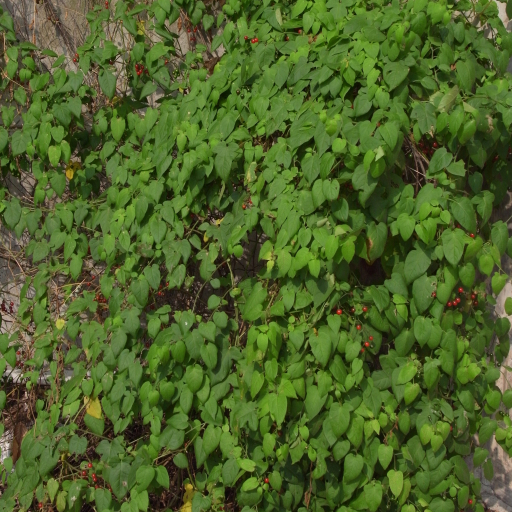
Plant Overview
Often called the Lyre-leaf Nightshade or "Hairy Bittersweet," this creeping perennial is a soft-spoken relative of the tomato and potato. Native to East Asia, it has a poetic growth habit, gently scrambling over garden walls or through tall grasses. While it carries the mysterious aura typical of the Nightshade family, its velvety leaves and star-shaped blooms make it a fascinator for those who appreciate wild, rambling aesthetics.
🔍 How to Identify
- 🌿 The Foliage: The leaves are famously "lyrate" (shaped like a lyre or violin) near the base, often featuring two small lobes at the bottom. The entire plant is covered in fine, soft hairs, giving it a grayish-green, fuzzy texture.
- 🟣 The Flowers: It produces clusters of dainty, star-shaped flowers. The petals are usually pale purple or white, dramatically reflexed (peeled back) to highlight a cone of bright yellow anthers in the center.
- 🔴 The Berries: After flowering, small green berries appear. As they ripen, they turn a glossy, translucent red, resembling tiny, jewel-like tomatoes.
🏡 In Your Garden
- 🧗 Growth Habit: This is a scrambling vine that lacks tendrils. Instead of "grabbing" onto supports, it leans and weaves through neighboring plants or spills over edges, making it a lovely choice for a "wild" or cottage-style garden.
- 💧 Moisture Lover: Unlike some of its drought-tolerant cousins, Solanum lyratum prefers damp, fertile soil. It is frequently found near stream banks or in moist thickets, so ensure it doesn't dry out completely during summer heat.
⚠️ Safety & Toxicity
- 🚫 Status: Toxic if Ingested. Like many members of the Solanum genus, this plant contains solanine and other glycoalkaloids.
- 🐾 Details: All parts of the plant, especially the unripe green berries, are poisonous to humans, dogs, and cats. Ingestion can cause gastrointestinal distress, drooling, and in severe cases, neurological issues. It is best kept out of reach of curious toddlers and pets.
✨ Fun Fact
In Traditional Chinese Medicine, this plant is known as Bai Ying. It has been studied for centuries for its potential anti-inflammatory properties and its use in treating "heat-related" ailments, though it should never be prepared at home due to its inherent toxicity!

Detailed Care Instructions
To grow Solanum Lyratum, also known as Potatotree or Purple Potato Vine, you can follow these steps:
- Climate and Soil Requirements: Solanum Lyratum thrives in warm, tropical or subtropical climates. It prefers well-drained, fertile soil with a pH level between 5.5 and 7.0.
- Selecting the Plant: You can purchase Solanum Lyratum seeds from a nursery or online. Make sure to choose a reputable source for quality seeds.
- Germination: Start the germination process by soaking the seeds in warm water for 24 hours before planting. This helps soften the seed coat and encourages faster sprouting.
- Planting: Fill containers or seed trays with potting mix, ensuring it is well-draining. Plant the pre-soaked seeds about 1/4 inch deep in each container. Water gently after planting.
- Light and Temperature: Place the containers in a warm and well-lit area where the temperature is around 70-85°F (21-29°C). Solanum Lyratum requires full sun to partial shade, so ensure it receives at least 6 hours of sunlight daily.
- Watering: Keep the soil consistently moist but not waterlogged. Water the plants whenever the top inch of soil feels dry. Avoid overwatering as it may lead to root rot.
- Transplanting: Once the seedlings are around 4-6 inches tall and have established roots, you can transplant them into larger containers or in the desired garden location. Ensure the spacing between plants is around 12-18 inches.
- Pruning: Solanum Lyratum can be pruned to maintain a desired shape or size. Regular pruning also encourages fuller growth and more flowers.
- Fertilization: Apply a balanced, water-soluble, slow-release fertilizer every 2-3 months during the growing season to provide essential nutrients.
- Pests and Diseases: Monitor the plant for pests like aphids or spider mites. Treat infestations using insecticidal soap or organic pest control methods. Solanum Lyratum can also be susceptible to fungal diseases like powdery mildew in humid conditions. Proper air circulation and avoiding overhead watering can help prevent such issues.
Remember to follow any specific care instructions that may be provided with the seeds or obtained from a local gardening expert, as they might have additional tips for your specific region or variety.

Place in a bright room that is sun drenched almost all day. Or directly in a south-facing window.

To provide adequate water for Solanum Lyratum, you need to ensure that the plant receives an adequate amount of moisture. Here's a step-by-step guide on watering this plant:
1. Determine watering frequency: Solanum Lyratum prefers evenly moist soil rather than being overly dry or waterlogged. To determine the frequency of watering, check the moisture level in the soil. Stick your finger about an inch deep into the soil to assess its moisture content.
2. Watering method: You can water Solanum Lyratum using various methods, but the most effective one is using the bottom-up approach. Place the plant pot in a water-filled tray or saucer and allow the soil to absorb moisture from the bottom. This ensures that the roots are thoroughly hydrated.
3. Water quantity: When watering, make sure to provide enough water to moisten the entire root system. Pour water into the tray or saucer and let it be absorbed until the top layer of the soil feels moist to touch.
4. Drain excess water: After around 30 minutes, check if any excess water has accumulated in the tray. It is crucial to remove any standing water to prevent root rot and other fungal diseases. Dispose of the excess water and ensure the plant's container is not sitting in water.
5. Observe the plant's response: Solanum Lyratum's water requirements may vary depending on various factors such as temperature, humidity, and light conditions. Monitor the plant for any signs of over or underwatering. Wilting, yellowing leaves, or leaf drop may indicate inadequate watering, while brown, mushy roots can be a sign of overwatering.
6. Adjust watering schedule: Based on the plant's response, you may need to adjust the watering frequency. During hot summer months or if the plant is placed in a warm location, you may need to water more frequently. Conversely, reduce the watering frequency during cooler periods.
Remember, it is crucial not to rely solely on this guide, as each plant's water requirements can differ slightly. It is recommended to observe the plant closely and make adjustments to the watering routine as needed.
Fertilizing instructions for Solanum Lyratum plants:
- Choose a balanced, water-soluble fertilizer with equal amounts of nitrogen, phosphorus, and potassium (N-P-K ratio of 10-10-10 or 20-20-20) or a fertilizer specifically formulated for flowering plants.
- Dilute the fertilizer according to the instructions on the package. Typically, a ratio of 1 tablespoon of fertilizer per gallon of water works well.
- Water the plant thoroughly before applying fertilizer to avoid causing root burn.
- Apply the diluted fertilizer to the soil around the base of the plant, ensuring the root zone receives the nutrients.
- Avoid splashing or getting fertilizer on the foliage, as it may cause burning or damage.
- Repeat the fertilization process every 4-6 weeks during the growing season, which is usually spring and summer.
- Monitor the plant's growth and adjust the fertilization frequency accordingly, especially if the plant starts demonstrating signs of nutrient deficiencies or excesses.
- Follow the specific fertilizer instructions and recommended schedule for best results with your Solanum Lyratum plant.
- Always remember to read and follow all safety instructions and precautions mentioned on the fertilizer packaging.
To successfully grow Solanum Lyratum plant, it is crucial to choose the right type of soil. This plant thrives best in well-draining soil that retains some moisture while allowing excess water to flow through. The ideal soil composition for Solanum Lyratum is a combination of organic matter, sand, and loam.
Organic matter, such as compost or well-rotted manure, helps improve soil fertility and retains moisture. It also promotes beneficial microbial activity, ensuring adequate nutrient availability for the plant. Mixing organic matter into the soil before planting or using it as a top dressing can greatly benefit Solanum Lyratum's growth.
Sand is an essential component for creating well-draining soil. It prevents waterlogging and ensures that excess water flows away, preventing the roots from sitting in stagnant water. The sandy texture also allows for optimal aeration and root development. Adding coarse sand or perlite to the soil mix can improve drainage.
Loam is the third key component for Solanum Lyratum soil. It refers to a soil type that contains a balanced mixture of sand, silt, and clay. Loam soil provides a good water-holding capacity while allowing excess water to drain away. This type of soil also offers good nutrient retention and proper aeration, which are beneficial for healthy plant growth.
To summarize, the recommended soil for Solanum Lyratum consists of a blend of organic matter, sand, and loam. This mixture provides adequate drainage, moisture retention, nutrient availability, and aeration, creating an ideal growing environment for this plant.
Propagation of Solanum lyratum can be done through several methods, including seeds, stem cuttings, and division. Here's a detailed guide on each method:
- Seeds:
- Collect mature berries from a healthy Solanum lyratum plant.
- Extract the seeds by gently removing the pulp and washing them thoroughly with water.
- Soak the seeds in warm water for 24 hours to enhance germination.
- Prepare a well-draining potting mix containing equal parts peat moss, perlite, and vermiculite.
- Sow the seeds on the surface of the potting mix and lightly cover them with a thin layer of soil.
- Place the pot in a warm and bright location, ensuring a temperature of around 75-85°F (24-29°C).
- Water the seeds regularly to keep the soil moist but not soggy.
- Germination usually takes 2-4 weeks. Once the seedlings develop several true leaves, transplant them to individual pots.
- Collect mature berries from a healthy Solanum lyratum plant.
- Stem cuttings:
- Select a healthy, non-flowering stem from a mature Solanum lyratum plant.
- Cut a 4-6 inch (10-15 cm) long section, preferably from the tip of the stem.
- Remove the lower leaves, leaving only 2-3 leaves at the top.
- Dip the cut end of the cutting in a rooting hormone powder to promote root development (optional).
- Prepare a well-draining rooting medium, such as a mixture of perlite and peat moss.
- Plant the cutting in the prepared rooting medium, burying at least half of its length.
- Place the pot in a warm and bright location, ensuring a temperature of around 70-80°F (21-27°C).
- Mist the cutting regularly to maintain high humidity around it.
- Roots usually develop within 4-6 weeks. Once the cutting has a well-established root system, transfer it to a larger container.
- Select a healthy, non-flowering stem from a mature Solanum lyratum plant.
- Division:
- Choose a mature Solanum lyratum plant that has multiple stems arising from the base.
- Carefully dig up the entire plant, trying to keep the root system intact.
- Gently separate the plant into smaller sections, ensuring each section has its own roots and stems.
- Replant each division in a well-draining potting mix, ensuring the roots are spread out.
- Water the divisions thoroughly and place them in a partially shaded area.
- Keep the soil consistently moist and avoid direct exposure to sunlight until new growth appears.
By following these propagation methods, you can successfully propagate Solanum lyratum and expand your collection or share the plants with others.
- Choose a mature Solanum lyratum plant that has multiple stems arising from the base.








