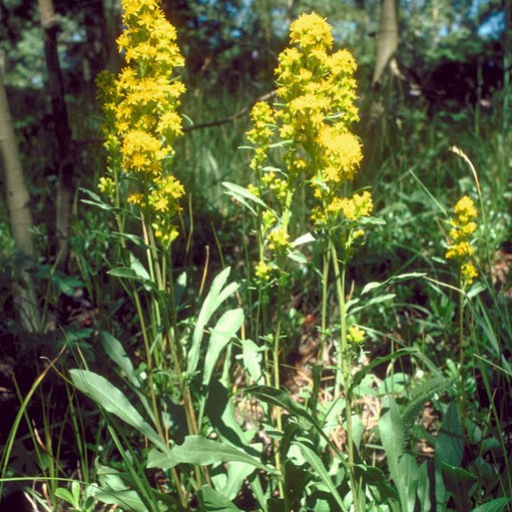
Plant Overview
Known as the Northern Goldenrod, this resilient little sun-seeker is the "gold medalist" of high-altitude landscapes. Often found clinging to rocky slopes or braving the tundra winds, it brings a cheerful splash of yellow to some of the harshest environments in North America. While many people associate goldenrods with allergies, this mountain dweller is a gentle friend to both humans and pollinators alike.
🔍 How to Identify
- 🌼 Sunny Clusters: It features dense, flat-topped clusters of bright yellow flower heads. These "flowerets" are more crowded and compact than those of its taller lowland cousins.
- 🍃 Tapered Leaves: The basal leaves (at the bottom) are spoon-shaped and often have tiny, serrated "teeth" along the edges, while the leaves further up the stem are much smaller and narrower.
- 📏 Sturdy Stature: Unlike the lanky goldenrods of the eastern meadows, this variety stays low to the ground (usually under 15 inches) to protect itself from harsh mountain gusts and cold.
🏡 In Your Garden
- 🏔️ Rocky Roots: This plant is an alpine specialist, meaning it thrives in "lean" soil that drains quickly. It is the perfect candidate for a rock garden or a gravelly patch where more "pampered" garden plants might struggle.
- 🦋 Late-Season Buffet: Because it blooms in late summer and early fall, it serves as a critical pit stop for bees and butterflies fueling up for the winter or preparing for migration. It is an essential part of a "pollinator highway."
⚠️ Safety & Toxicity
- ✅ Non-Toxic: Solidago multiradiata is generally considered safe and non-toxic for both humans and common household pets like cats and dogs.
- 🤧 Mistaken Identity: It is frequently blamed for seasonal allergies (hay fever). However, its pollen is heavy and sticky—designed to be carried by bees, not the wind. The real culprit is usually the green, inconspicuous Ragweed that blooms at the exact same time!
✨ Fun Fact
💡 The Rubber Connection: Famous inventor Thomas Edison spent years researching Goldenrod! He discovered that the leaves contain a small amount of natural latex. With the help of Henry Ford, he attempted to breed giant goldenrod plants to create a domestic source of rubber for car tires.

Detailed Care Instructions
To grow Solidago multiradiata (also known as "Kansas goldenrod"), follow these steps:
- Choose the right location: Select a spot in your garden that receives full sunlight for at least 6 hours a day. The soil should be well-draining, as these plants do not tolerate wet or soggy conditions.
- Prepare the soil: Amend the soil with organic matter such as compost or well-rotted manure to improve drainage and provide nutrients. Remove any weeds or debris from the planting area.
- Planting: Dig a hole that is slightly larger than the plant's root ball. Place the Solidago multiradiata plant in the hole, ensuring that the crown sits at ground level or slightly above. Backfill the hole with soil, gently firming it around the roots.
- Watering: Water the plant thoroughly after planting to help establish roots. Afterward, water the plants deeply once a week, allowing the soil to dry slightly between waterings. Avoid overwatering, as this can lead to root rot.
- Mulching: Apply a layer of organic mulch, such as wood chips or straw, around the base of the plant. Mulching helps retain moisture, suppresses weeds, and insulates the roots during extreme temperatures.
- Fertilizing: Solidago multiradiata doesn't typically require fertilization if organic matter was added to the soil during planting. However, if the growth appears weak or pale, you can apply a balanced, slow-release fertilizer in spring.
- Pruning: In autumn or early spring, trim back any dead or damaged stems to encourage new growth. Solidago multiradiata is a clumping perennial, so it's not necessary to divide these plants like other goldenrod species.
- Pest and disease control: Solidago multiradiata is generally resistant to most pests and diseases. However, keep an eye out for common garden pests like aphids or spider mites, and treat them promptly if detected.
- Wildlife benefits: Solidago multiradiata is a valuable plant for attracting pollinators such as bees and butterflies. Its bright yellow flowers provide a nectar source late in the season when other plants have finished blooming.
By following these guidelines, you should be able to successfully grow Solidago multiradiata in your garden and enjoy its beautiful and beneficial presence.

Place in a bright room that is sun drenched almost all day. Or directly in a south-facing window.

To water this plant, it is important to first check the soil moisture level. Stick your finger into the soil about 2 inches deep and if it feels dry, it is time to water. Using a watering can or hose with a gentle spray nozzle, water the plant at the base, being careful not to get water on the foliage. Water until the soil is evenly moist but not waterlogged. During periods of drought, this plant may require more frequent watering, while during rainy periods, less watering may be necessary. It is also important to ensure proper drainage to prevent waterlogged soil, which can lead to root rot.
Solidago Multiradiata requires annual fertilization in the early spring with a balanced granular fertilizer. The application rate should be based on the manufacturer's recommendations and the size of the plant. Be sure to water thoroughly after fertilizing to prevent burning the roots. Avoid fertilizing in late fall or winter as this can encourage new growth that may be damaged by cold temperatures.
Solidago Multiradiata is a type of perennial flowering plant that requires specific soil conditions to thrive. It is recommended to use well-draining soil that is rich in organic matter, such as compost or peat moss. The soil pH should be slightly acidic, between 5.0 and 6.5, as this plant prefers slightly acidic soil. Additionally, the soil should be relatively moist but not waterlogged, so it is important to ensure proper drainage. It is also suggested to add some sand or perlite to the soil to improve drainage. Overall, the ideal soil for Solidago Multiradiata should be rich, well-draining, slightly acidic, and moist.
Solidago Multiradiata can be propagated through division or by taking cuttings. To divide the plant, carefully dig it up and separate the root ball into multiple sections. Each section should have several healthy stems and a good root system. Replant each individual section in a new location and water thoroughly.
To take cuttings, select a healthy stem from the plant and clip off a section that is about 3-4 inches long. Remove the leaves from the bottom half of the cutting, leaving only a few at the top. Dip the cut end in rooting hormone and plant it in a pot filled with moist soil. Water thoroughly and cover the pot with a plastic bag to keep the humidity level high. Keep the pot in a warm, bright location and mist the cutting regularly. After several weeks, the cutting should develop roots and can be transplanted into a larger pot or in the garden.








