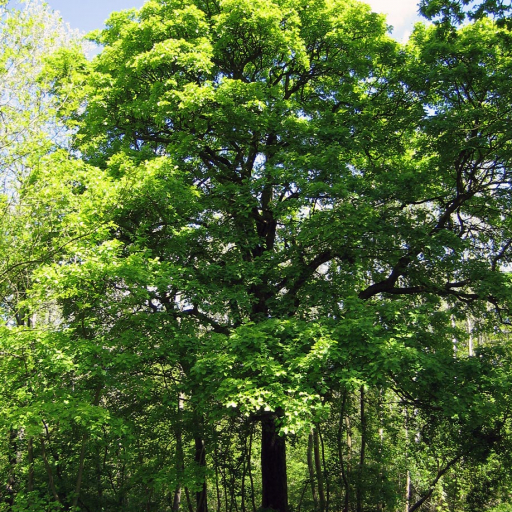
Plant Overview
Known as the Wild Service Tree or the "Chequer Tree," this rare woodland jewel is often considered a living indicator of ancient, undisturbed forests. Once a staple in European culture long before hops became popular, its fruit has a deep history tied to traditional brewing and herbal medicine. It is a slow-growing, elegant tree that brings a sense of history and "old-world" charm to any landscape.
🔍 How to Identify
- 🍁 Leaf Shape: The leaves are uniquely lobed and pointed, resembling a cross between a maple leaf and a hawthorn. They turn a spectacular, fiery bronze-red in the autumn.
- 🧱 The Bark: On mature trees, the bark is grey-brown and breaks into small, square scales, often described as looking like a "checkerboard" or alligator skin.
- 🟤 The Fruit: It produces small, oval, brownish-green "chequers" (pomes) that are speckled with lenticels, looking like tiny, rustic pears or russet apples.
🏡 In Your Garden
- 🌱 Ancient Roots: This tree is notoriously slow-growing and hates being moved once established. It’s best to plant it where it can stay for a century or more, preferably in heavy clay or lime-rich soils.
- 🐝 Biodiversity Magnet: In late spring, it produces clusters of beautiful white flowers that are a favorite for bees and hoverflies. Because it is increasingly rare in the wild, planting one helps preserve a piece of ecological history.
⚠️ Safety & Toxicity
- 🟢 Status: Non-toxic, but requires preparation for humans.
- 🐾 Details: While the fruit is technically edible, it is incredibly astringent and sour until it is "bletted" (allowed to soften or slightly rot through frost). The seeds, like those of apples and cherries, contain small amounts of cyanide-precursors and should not be eaten in large quantities. It is generally safe for pets to be around.
✨ Fun Fact
The name "Chequer Tree" is widely believed to be the origin of the name for many "Chequers" pubs in the UK. Before hops were commonly used, the fruit of this tree was used to flavor beer, and the distinctive patterned bark likely inspired the iconic pub signage!

Detailed Care Instructions
To grow a Sorbus torminalis plant, also known as the wild service tree, follow these steps:
- Obtain seeds or a seedling: You can purchase seeds or seedlings from nurseries or online stores specializing in native plants.
- Choose a suitable planting location: Sorbus torminalis prefers full sunlight to partial shade and well-draining soil. It can tolerate a variety of soil types but prefers slightly acidic to neutral soil.
- Prepare the soil: Clear the planting area of weeds, rocks, and debris. Loosen the soil with a garden fork or tiller to improve drainage and water infiltration.
- Plant the seed or seedling: If using seeds, plant them in a seed tray or small pots filled with a seed-starting mix. Cover the seeds with a thin layer of soil and keep them evenly moist until germination. Transplant seedlings once they have developed strong roots.
If using a seedling, dig a hole slightly larger than the root ball and gently place the plant in the hole. Backfill the hole with soil, firming it gently around the roots.
- Water regularly: Keep the soil moist but not waterlogged. Young plants require more frequent watering than established ones. Water deeply so that the moisture reaches the deeper roots.
- Mulch: Apply a layer of mulch around the base of the plant, keeping it a few inches away from the trunk. Mulch helps retain soil moisture and suppress weeds.
- Pruning: Prune Sorbus torminalis during its dormant season, typically in late winter or early spring. Remove any dead, diseased, or damaged branches. Lightly shape the tree if needed, but avoid heavy pruning as it may reduce flowering.
- Fertilizing: Sorbus torminalis generally does not require regular fertilization. However, you can apply a balanced slow-release fertilizer in early spring if the soil lacks nutrients.
- Protect from pests and diseases: Monitor the tree for pests like aphids, caterpillars, or borers. Treat them using suitable insecticides or organic methods. Also, watch for signs of diseases such as leaf spot or powdery mildew. If necessary, apply appropriate fungicides.
- Be patient: Sorbus torminalis grows slowly, so be patient with its growth. It may take several years for it to reach its mature height and develop its characteristic features.
Remember to check local regulations before planting Sorbus torminalis, as it might be protected or invasive in some regions.

Place in a bright room that is sun drenched almost all day. Or directly in a south-facing window.

To water this plant, first, check the soil moisture by inserting your finger into the soil. If the top inch of soil is dry, it is time to water. Use room temperature water and apply it slowly and evenly, avoiding pouring water directly onto the foliage or trunk. Water until it begins to drain from the bottom of the pot or ground. Allow the soil to dry out slightly before the next watering to prevent overwatering. The frequency of watering will depend on the environmental conditions and the size of the plant.
To fertilize this plant, use a balanced N-P-K fertilizer in early spring before new growth appears. Apply the fertilizer evenly around the root zone of the plant and water thoroughly after application. Avoid over-fertilizing as it can lead to excessive foliage growth at the expense of flower and fruit production. Additionally, do not fertilize during the dormant season.
Sorbus torminalis plant requires well-drained soil that is rich in organic matter with a pH level between 5.5 and 7.5. The soil should not be overly sandy or heavy in clay and should have good aeration. Adding a layer of mulch around the base of the plant can help to retain moisture and keep the soil temperature consistent. It is also important to provide adequate drainage to prevent waterlogging and root rot. An ideal soil mix for Sorbus torminalis plant would include a combination of garden soil, compost, and perlite.
There are several ways to propagate this plant. One common method is through seed propagation. Collect mature seeds from the parent plant and sow them in pots filled with well-draining soil. Keep the pots in a cool and shaded spot and water regularly. Germination may take several weeks or months.
Another way is through softwood cuttings. Take cuttings from new growth in early summer, making sure they are at least 4 inches long and have a few leaves. Dip the cuttings in rooting hormone and plant them in a pot filled with seedling mix. Keep the soil moist and place the pot in a shaded area. The roots should form in a few weeks.
Grafting is another technique used to propagate Sorbus Torminalis. Collect scion wood from the parent plant and graft it onto a compatible rootstock. This is often done in late winter or early spring when the bark is slipping. The rootstock provides support and nutrients to the scion, ensuring successful growth.
No matter what propagation method you choose, it is important to keep the young plants in a controlled environment, with plenty of protection from pests and extreme weather conditions. By following these steps, you can successfully propagate Sorbus Torminalis and enjoy its beauty in your garden.








