Plant Overview
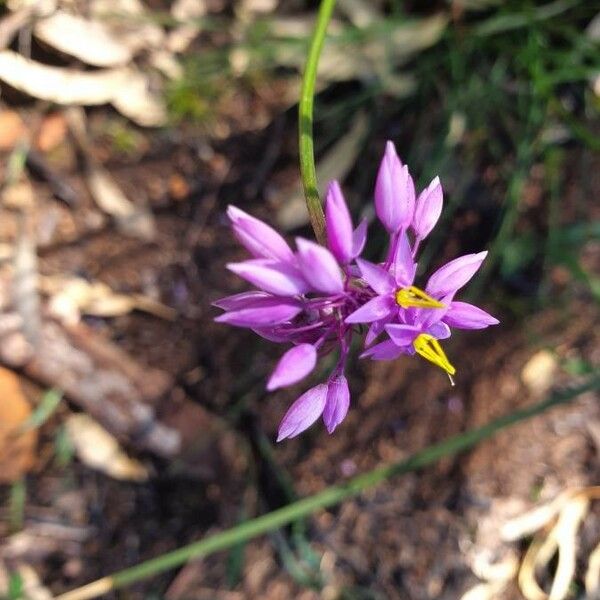
Often referred to as Purple Tassels or the Vanilla Lily, Sowerbaea laxiflora is a delicate wildflower native to the sandy woodlands of Western Australia. These charming perennials are loved by locals for their "pom-pom" style blooms that seem to float above the grass on invisible stems. In the wild, they create a dreamy purple haze across the landscape during late winter and spring.
🔍 How to Identify
- 💜 The Blooms: Small, star-shaped flowers are clustered into tight, spherical heads (umbels) at the top of tall stems. They range from pale lilac to deep mauve.
- 🍃 The Foliage: The leaves are narrow, green, and grass-like, growing in tufts at the base of the plant. They are often overlooked until the flowers appear.
- 📏 The Stature: The flower stems (scapes) are smooth and leafless, reaching about 15–40 centimeters high, giving the plant an airy, elegant silhouette.
🏡 In Your Garden
- 🏜️ Soil Preferences: Native to sandy regions, this plant demands excellent drainage. If your garden has heavy clay, consider growing it in a raised bed or a pot with a native-specific potting mix.
- 💧 Drought Resilience: Once established, it is remarkably water-wise. It has a dormant period after flowering where it prefers to stay relatively dry, mimicking the Mediterranean climate of its home.
- 🐝 Pollinator Magnet: While they look delicate, these flowers are a powerhouse for native bees and butterflies, making them an excellent choice for a biodiversity-focused garden.
⚠️ Safety & Toxicity
- 🌿 General Status: Sowerbaea laxiflora is not known to be high-risk or famously toxic. However, it is primarily an ornamental wildflower rather than a food source.
- 🐾 Pets & Kids: There are no specific records of toxicity to cats or dogs, but as with any lily-like plant, it is best to discourage ingestion to avoid mild stomach upset or unknown allergic reactions.
✨ Fun Fact
The name "Vanilla Lily" isn't just for show—on a warm, still day, a patch of these flowers can release a soft, sweet fragrance reminiscent of fresh vanilla beans!

Detailed Care Instructions

Some plants require more regular watering than others, which should be done every few days. It's critical to maintain the soil moist all of the time. The water requirements of the same plant placed in pots with varying sizes will differ. Because the water in the smaller pot evaporates faster than the water in the larger pot, it will require more watering. Regardless of pot size, the surface should constantly be maintained moist.








