Plant Overview
Commonly known as the Small-leaf Globemallow or "Desert Mallow," this resilient beauty is a hallmark of the high deserts in the American West. It is often celebrated for its ability to transform harsh, dusty landscapes into vibrant carpets of apricot and orange. Its botanical name, parvifolia, literally translates to "small leaf," hinting at its evolutionary strategy to conserve water in the scorching sun.
🔍 How to Identify
- 🌸 The Blooms: Features delicate, five-petaled flowers shaped like tiny cups or bowls. They are most famous for their stunning shades of "desert coral," ranging from pale apricot to a deep, burnt orange.
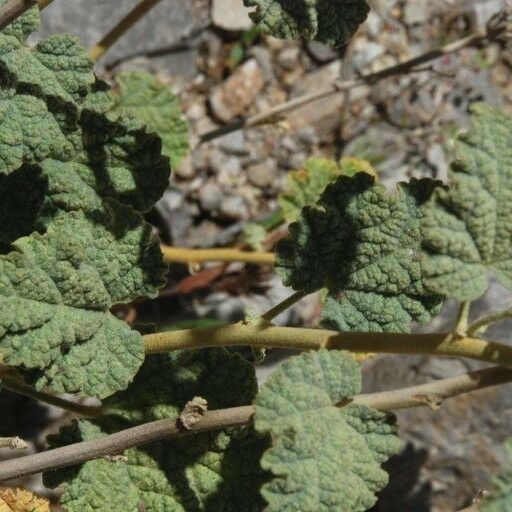
- 🍃 Small, Scalloped Leaves: Unlike its larger relatives, this variety has dainty, grayish-green leaves with three to five shallow lobes and ruffled edges.
- ☁️ Fuzzy Texture: The entire plant is covered in fine, star-shaped (stellate) hairs, giving it a soft, silvery sheen that helps reflect intense sunlight and trap moisture.
🏡 In Your Garden
- 🏜️ The Desert Survivor: This plant is the ultimate "set it and forget it" choice for xeric gardens. It evolved in rocky, dry soils, meaning it actually thrives on neglect. Over-watering is its greatest enemy, as it can quickly lead to root rot in heavy, wet soil.
- 🐝 Pollinator Magnet: If you want to see your garden buzzing with life, this is the plant to choose. It is a primary nectar source for native bees and serves as a larval host for various checkered-skipper butterflies.
- ✂️ Pruning Strategy: To keep it from looking "leggy" or sparse, give it a light trim after the first big bloom. This encourages a second flush of flowers and keeps the growth habit compact and bushy.
⚠️ Safety & Toxicity
- 🟢 Non-Toxic Status: Generally considered non-toxic to humans, dogs, and cats. It is a safe addition to family-friendly landscapes.
- 👁️ Mechanical Irritant: While not chemically poisonous, those soft-looking hairs are actually "stellate" (star-shaped) and can be quite prickly. They are known to irritate the eyes and sensitive skin, so it’s wise to wear gloves when pruning and avoid touching your face after handling the foliage.
✨ Fun Fact
Native American tribes, including the Hopi and Navajo, traditionally used globemallows for various medicinal purposes, including using the mucilaginous (jelly-like) sap inside the stems as a natural glue or to soothe upset stomachs.

Detailed Care Instructions
| Humidity | High |
| Difficulty | Easy |
| Hibernation | Cold Period |
| Hardiness Zones | 6 - 8 |
To grow Sphaeralcea Parvifolia, also known as small-leaf globemallow, you can follow these steps:
- Choose a suitable location: Select a sunny spot in your garden or balcony where the plant can receive at least 6 hours of direct sunlight daily. Ensure the soil is well-draining.
- Prepare the soil: Before planting, prepare the soil by incorporating organic matter such as compost or well-rotted manure. This will improve soil fertility and drainage.
- Planting process: Dig a hole that is slightly larger than the root ball of the plant. Place the plant in the hole and backfill with soil, gently firming it around the base of the plant. Ensure the top of the root ball is level with or slightly above the soil surface.
- Watering and irrigation: Immediately after planting, water the plant thoroughly to help settle the soil and encourage root establishment. Afterward, water the plant deeply once or twice a week, depending on rainfall and temperature. Avoid overwatering, as this plant prefers drier conditions.
- Mulching: Apply a layer of organic mulch around the base of the plant to retain moisture in the soil, suppress weed growth, and insulate the roots from extreme temperature fluctuations. Avoid mulching directly against the stems to prevent rotting.
- Fertilization: Sphaeralcea Parvifolia does not typically require frequent fertilization. However, you can apply a balanced, slow-release fertilizer in early spring to promote healthy growth. Follow the package instructions for proper dosage.
- Pruning: Prune the plant in early spring before new growth begins to remove any dead, damaged, or overcrowded branches. This will help maintain a tidy appearance and encourage vigorous growth.
- Pests and diseases: Small-leaf globemallow is relatively resistant to pests and diseases. However, keep an eye out for common issues like aphids or powdery mildew. If necessary, treat affected areas with appropriate solutions, such as insecticidal soap or a fungicide.
Remember to check your local gardening guidelines and consult with local experts to ensure the specific needs of Sphaeralcea Parvifolia are met in your region.

Place in a bright room that is sun drenched almost all day. Or directly in a south-facing window.

Sphaeralcea Parvifolia plant should be watered deeply but infrequently to encourage strong root growth. Before watering, check the top inch of soil for dryness. If it is dry, water the plant until the water runs out of the bottom of the pot. Allow the soil to dry out completely between watering. Avoid watering from above, as this will encourage disease. Instead, water the soil around the base of the plant. Use room temperature water and avoid using chlorinated water, if possible. During the winter, reduce watering to once every two weeks.
To fertilize Sphaeralcea Parvifolia, use a balanced fertilizer with equal or near equal amounts of nitrogen, phosphorus, and potassium. Apply the fertilizer in early spring, just before the plant begins to bloom. Monitor the plant throughout the growing season and provide additional fertilizer as needed if the foliage begins to yellow or growth slows. Be sure to follow the manufacturer's instructions for the specific fertilizer product being used.
Sphaeralcea Parvifolia plants prefer to grow in well-draining soil that is rich in organic matter. It is recommended to use a mixture of sandy loam soil and perlite or sand to ensure good drainage. The soil should have a pH range of 6.0 to 7.5. Additionally, the plant requires regular irrigation to maintain moist soil but avoid overwatering as it can lead to root rot. Adding a slow-release fertilizer during the growing season will provide the necessary nutrients for healthy growth.
Propagation of the plant can be accomplished through various methods including seed germination, stem cutting, or division of root clumps. Seed germination can be challenging and requires specific conditions of temperature and moisture to achieve success. The stem cutting method is much simpler and can be done with a sharp, sterilized blade and a container of rooting hormone. The parent plant is cut just below the node where the new growth is emerging, and the leafy top section is then dipped in rooting hormone and planted into a well-draining potting mix. The container is then placed in a warm, bright location and kept moist until roots form. Division of root clumps involves digging up the parent plant and separating the root clumps into smaller sections that have each had a portion of the top growth removed. These smaller sections can then be replanted into individual containers or directly into the garden soil.








