Plant Overview
Often dubbed the "Sponges of the Earth," Sphagnum mosses are the master architects of the peat bogs. They don't just live in their environment; they actively create it by turning their surroundings acidic and waterlogged. From ancient "bog bodies" preserved for centuries to the modern hobbyist's terrarium, these tiny green stars have a massive impact on our planet's history and carbon cycle.
🔍 How to Identify
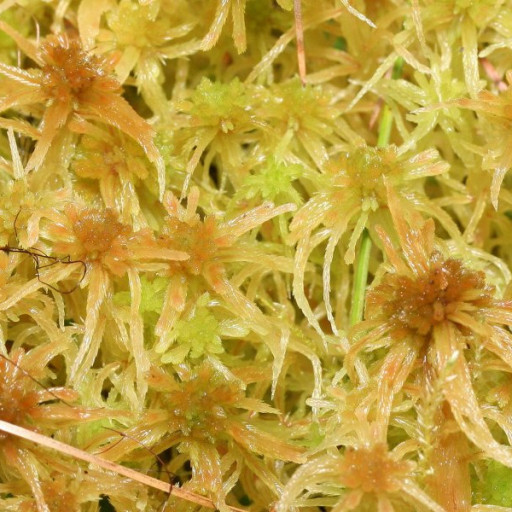
- 🌿 The Mop-Top: Looking closely at the tip of each stem, you'll see a dense, star-shaped cluster of branches called a capitulum that looks like a miniature green pom-pom.
- 💧 Sponge-like Texture: Unlike other mosses that feel velvety, Sphagnum feels noticeably squishy. It contains large, hollow "hyaline" cells that act like biological water tanks, holding liquid long after the rain stops.
- 🎨 Vibrant Palette: While many are "highlighter" green, different species can turn striking shades of wine-red, rusty orange, or even pale yellow when exposed to direct sunlight.
🏡 In Your Garden
- 🧪 The Acid Architect: If you are a fan of carnivorous plants like Venus Flytraps or Sundews, Sphagnum is an essential companion. It naturally lowers the pH of its environment, mimicking the nutrient-poor, acidic bogs where these exotic plants thrive.
- 🌧️ Purity is Key: This plant is a "mineral hater." Using tap water will lead to a buildup of salts that will eventually turn the moss brown and slimy. To keep it thriving, always use distilled water, reverse osmosis water, or fresh rainwater.
- 🌬️ Humidity Lover: Because it lacks a vascular system to pump water, it relies on high ambient humidity. It is happiest in closed terrariums or damp outdoor corners where it can create its own misty micro-climate.
⚠️ Safety & Toxicity
- ✅ Safe for Pets: Sphagnum is non-toxic to cats, dogs, and humans. It is a popular choice for reptile enclosures because it is soft and holds moisture well.
- 🧤 The "Rose-Gardener" Risk: While the living plant is safe, dried "Peat Moss" can occasionally harbor a fungus called Sporothrix schenckii. If you are handling large amounts of dry, dusty moss, wearing gloves and washing your hands is a smart precaution to avoid minor skin irritations.
✨ Fun Fact
During World War I, when cotton surgical dressings ran low, Sphagnum was used as a battlefield bandage. It was found to be twice as absorbent as cotton, and its natural acidity actually helped inhibit the growth of bacteria in wounds!

Detailed Care Instructions
To grow Sphagnum plants, you can follow these steps:
- Obtain sphagnum moss: Sphagnum plants grow from sphagnum moss, which is available at garden centers or online. Ensure you get live, healthy sphagnum moss.
- Prepare a growing container: Choose a suitable container with drainage holes. Sphagnum plants can be grown in a pot, tray, or hanging basket. Line the bottom of the container with gravel or small stones for drainage.
- Soak sphagnum moss: Place the sphagnum moss in a container filled with water. Allow it to soak for about 15-20 minutes until thoroughly saturated, then gently squeeze out excess water. Do not wring or damage the moss.
- Create a layer of sphagnum moss: Line the bottom of the container with a layer of soaked sphagnum moss. This layer will act as the starting point for the growth of the sphagnum plants.
- Spread the remaining moss: Spread the remaining soaked sphagnum moss evenly over the container's surface. The thickness of the layer should be around 1-2 inches.
- Add water: Once the moss is spread, moisten it with water. Sphagnum plants thrive in constantly moist conditions, so it's important to keep the moss hydrated.
- Provide humidity: Sphagnum plants require high humidity to grow well. You can achieve this by enclosing the growing container in a transparent plastic bag or using a terrarium-like setup. Mist the moss regularly to maintain moisture levels.
- Choose the right lighting: Sphagnum plants prefer bright, indirect light. Place the container in a location that receives partial sunlight or under artificial grow lights.
- Maintain moisture: Monitor the moisture level in the moss and keep it consistently moist but not waterlogged. Sphagnum plants do not tolerate dry conditions.
- Avoid fertilizers: Sphagnum moss obtains its nutrients from the environment, so avoid using fertilizers. If necessary, you can occasionally water with very diluted fertilizer.
- Care for new growth: Over time, new sprouts will emerge from the moss layer. Avoid disturbing or transplanting them until they have established themselves. Gently mist the new growth to keep it moist.
- Monitor temperature: Sphagnum plants prefer cooler temperatures, ideally around 60-75°F (15-24°C). Ensure the growing environment stays within this temperature range.
By following these steps and providing the right conditions, you can successfully grow your own sphagnum plants.

Place in a window with dappled sun or a spot in the middle of a room. Or directly in a window facing west or east.

Sphagnum plant is a type of plant that needs to be watered properly to ensure its longevity. To water this plant, it is essential to use distilled or rainwater, as it is sensitive to chemicals found in tap water. Before watering, it is important to check the moisture level of the soil to avoid over or under watering.
To do this, gently press your finger into the soil to a depth of about an inch. If the soil feels moist to the touch, wait a few more days before watering. If the soil feels dry, it is time to water the plant.
To water, gently pour the water onto the soil making sure not to get any on the leaves. Avoid letting the plant sit in standing water as this can lead to root rot. It is recommended to water the Sphagnum plant at least once a week, depending on the humidity levels in your home and the size of the pot.
In addition to regular watering, misting the plant with water once or twice a week can help increase humidity levels and ensure the plant receives enough moisture. It is important to monitor the plant and adjust your watering schedule as necessary, taking into consideration factors such as temperature and season.
To fertilize this plant, apply a specialized acidic or peat-based fertilizer solution at a rate of once per week during the growing season. Dilute the solution according to the manufacturer's instructions and water the plant thoroughly after application to ensure the nutrients are absorbed properly. Avoid using high-potassium fertilizers as this can harm the plant's delicate root system. Additionally, monitor soil pH levels regularly and adjust as needed to maintain a slightly acidic environment.
When growing a certain type of plant, it is important to choose the right type of soil that will provide optimal conditions for growth and moisture retention. For a particular plant species that is commonly known for its ability to thrive in moist environments, a specific type of soil is best used. This soil type is generally characterized as having high organic matter content, good drainage capabilities, and a slightly acidic pH range to promote nutrient absorption and prevent disease.
When using this type of soil specifically for the aforementioned plant species, it is important to make sure it is clean and free of any contaminants or harmful substances that could damage the roots or negatively impact its overall health. This can be achieved by either purchasing soil from a reputable source or by composting and sterilizing your own soil at home. Additionally, supplementing the soil with a slow-release fertilizer or organic matter is recommended to provide additional nutrients throughout the growing season.
Sphagnum plants can be propagated through vegetative reproduction, which involves taking small pieces of a mature plant and growing them in suitable conditions. To begin, select a healthy mature plant and carefully remove a small section of the stem or leaf using sterile scissors or a scalpel. Place the cutting in a container of sterile, well-draining soil mix, ensuring that it is securely planted in the soil. Water the cutting lightly and place it in a bright, indirect light location. Keep the soil moist but not waterlogged, and provide adequate humidity levels by covering the container with a clear plastic bag. After a few weeks, the cutting should begin to root and grow new shoots. Once it reaches a suitable size, it can be transplanted into a larger container or directly into the soil.







