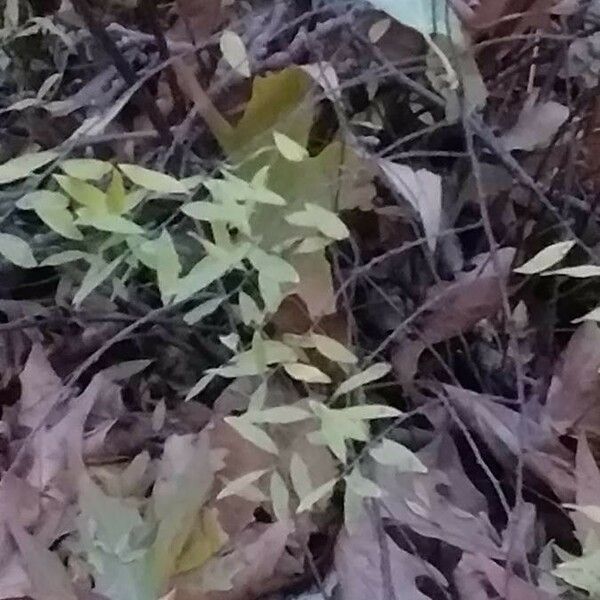
Plant Overview
Commonly known as the Garland Spiraea or Bridal Wreath, this hybrid shrub is the quintessential "spring snowstorm" of the garden world. Developed in the 19th century, it is beloved for its dramatic, fountain-like habit where every arching branch becomes completely smothered in tiny, pure-white blossoms. It is a timeless staple in cottage gardens, often used to create romantic, flowing borders that signal the end of winter.
🔍 How to Identify
- 🌿 The Foliage: Look for small, narrow, lance-shaped leaves that are a bright, cheerful green. They are much smaller than other Spiraea varieties, giving the plant a delicate, fine-textured appearance.
- 🌸 The Flowers: Massive clusters of tiny, five-petaled white flowers appear in early spring. They grow in "umbels" (flat-topped clusters) that sit directly on the stems, making the branches look like floral wands.
- 弧 The Habit: It has a distinct "fountain" shape. The branches grow upright initially and then gracefully arch toward the ground under the weight of their own blooms.
🏡 In Your Garden
- ✂️ The Pruning Secret: Because this plant blooms on "old wood" (stems from the previous year), you must prune it immediately after the flowers fade. If you wait until winter, you’ll accidentally cut off next year’s floral display!
- ☀️ Sun & Space: While it is incredibly hardy and adapts to most soil types, it performs best in full sun. In too much shade, the branches become "leggy" and the flower production will be sparse rather than a "snowfall."
- 🍃 Low Maintenance: Once established, it is remarkably drought-tolerant and rarely bothered by pests, making it a "plant it and forget it" favorite for busy homeowners.
⚠️ Safety & Toxicity
- ✅ Pet Friendly: Spiraea × arguta is generally considered non-toxic to dogs, cats, and horses, making it a safe choice for family landscapes.
- ✋ Mild Irritation: While not poisonous, the woody stems can be stiff and the leaves may cause very mild stomach upset if ingested in large quantities by curious toddlers or pets.
✨ Fun Fact
The "×" in its name signifies that it is a "man-made" hybrid, a cross between Spiraea thunbergii and Spiraea multiflora. It was specifically bred to be more floriferous than either of its parents, earning it the nickname "Foam of May" in some older gardening circles.

Detailed Care Instructions
To grow Spiraea × Arguta, also known as Bridal Wreath, follow these steps:
- Choose a suitable location: Select a spot with full sun to partial shade. Spiraea × Arguta prefers well-drained soil with moderate moisture.
- Prepare the soil: Loosen the soil and remove any weeds or debris. Add organic matter such as compost to improve soil fertility and drainage.
- Planting: Dig a hole that is slightly larger than the root ball of the plant. Place the Spiraea × Arguta into the hole, ensuring that the crown of the plant is level with or slightly above the soil surface. Backfill the hole and gently firm the soil around the plant.
- Watering: Water the plant thoroughly after planting to settle the soil and ensure good contact between roots and soil. Keep the soil slightly moist during the plant's establishment period, especially during hot and dry periods. Once established, Spiraea × Arguta is fairly drought-tolerant.
- Mulching: Apply a layer of organic mulch, such as wood chips or bark, around the base of the plant. This helps retain moisture, suppress weeds, and keep the soil temperature stable.
- Pruning: Prune Spiraea × Arguta in early spring before new growth begins. Remove any dead or damaged branches and thin out crowded areas to allow adequate air circulation. Others prefer a more natural look and leave the plant unpruned.
- Fertilizing: Apply a balanced slow-release fertilizer in early spring to promote healthy growth. Follow the specific instructions on the fertilizer packaging for application rates.
- Pests and diseases: Spiraea × Arguta is relatively resistant to pests and diseases. However, keep an eye out for common issues such as aphids, leaf spot, or powdery mildew. If detected, treat the plant accordingly using organic or chemical remedies.
By following these steps and providing proper care, your Spiraea × Arguta plant should thrive and grow well.
To water this plant, it is important to consider its soil moisture levels. It is best to avoid overwatering, as this can lead to root rot and other issues. Before watering, check the soil by sticking your finger about an inch into the soil to feel for moisture. If the soil feels dry, it is time to water.
When watering, it is best to give the plant a deep watering, rather than frequently watering with small amounts. This will encourage the roots to grow deeper and create a stronger plant. Additionally, watering early in the morning or late in the evening will help to reduce evaporation and ensure that the water reaches the roots instead of evaporating on the surface.
It is important to avoid getting water on the leaves, as this can lead to disease. To do this, water directly at the base of the plant or use a watering can with a spout to direct the water. Overall, providing consistent and moderate moisture levels will help this plant thrive.
To fertilize this plant, wait until after the first flush of growth in the spring and then apply a slow-release balanced fertilizer around the base of the plant. Avoid getting the fertilizer on the foliage as it may burn. Water the plant immediately after fertilizing to ensure the nutrients are absorbed properly. Repeat this process annually in the spring.
The ideal soil type for Spiraea × Arguta plant is one that is well-draining and rich in organic matter. It should be slightly acidic with a pH range of 5.0 to 6.5. The soil should also be able to retain moisture without being waterlogged as waterlogged soil can cause root rot. It is recommended to use a good quality loamy soil with a mixture of sand and peat moss to improve drainage and aeration. Compost or well-rotted manure can also be added to improve soil fertility. The plant prefers full sun to partial shade, so it is best to plant it in an area that receives plenty of sunlight in the morning or early afternoon.
To propagate this plant, select a healthy stem that is around 4 to 6 inches long and has a few leaves on it. Make a clean cut with sharp, clean scissors or pruning shears just below a leaf node. Remove the leaves from the bottom half of the stem, leaving only a few at the top. Dip the cut end in rooting hormone powder and shake off any excess.
Fill a small pot or container with moist potting soil and make a hole in the center with a pencil. Insert the stem into the hole and press the soil firmly around it. Water the soil lightly and cover the pot with a clear plastic bag to create a greenhouse effect.
Place the pot in a bright, warm location out of direct sunlight. Check the soil regularly and water as needed to keep it moist, but not soggy. After a few weeks, new growth should appear, indicating that roots have formed. Once the plant has established roots and new growth, remove the plastic bag and gradually expose it to more light.
After a few more weeks, the plant should be ready to transplant into a larger pot or container or into the garden. Use well-draining soil and water regularly until the plant is established.








