Plant Overview
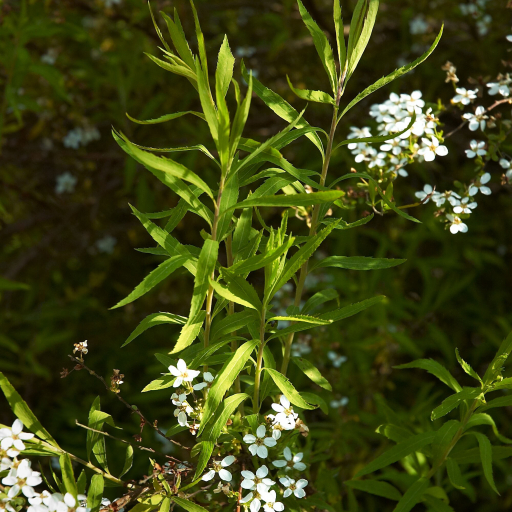
Known as the "Breath of Spring," Thunberg Spirea is a delicate, snow-white wonder that signals the end of winter. With its graceful, arching branches and clouds of tiny blossoms, it looks like a floral fountain in the landscape. This Japanese native is a favorite for gardeners who want early-season drama and a soft, airy texture that lasts all summer long.
🔍 How to Identify
- 🌸 Floral Display: Massive clusters of tiny, five-petaled white flowers that smother the bare branches in early spring, often before the leaves even appear.
- 🍃 Fine Foliage: Exceptionally narrow, willow-like leaves that are much thinner than other Spirea species, giving the shrub a feathery, "fuzzy" appearance from a distance.
- 🌿 Growth Habit: A dense, mounding shrub with thin, wiry branches that arch elegantly toward the ground, typically reaching 3 to 5 feet in height and width.
🏡 In Your Garden
- ✂️ The Pruning Trick: This plant blooms on "old wood" (last year's growth). To keep it from looking like a messy bundle of sticks, prune it immediately after the flowers fade in late spring—this gives it all summer to grow the wood for next year’s show.
- 🍂 Autumn Interest: While famous for its spring "snow," the leaves turn a beautiful coppery-orange or soft yellow in the fall, providing a second season of visual interest before dropping for winter.
⚠️ Safety & Toxicity
- ✅ Pet & Child Friendly: Spiraea thunbergii is generally considered non-toxic to humans, dogs, and cats. It is a "worry-free" choice for family gardens and high-traffic areas.
- 🦋 Wildlife Magnet: While safe for us, it is a vital early-season food source for pollinators like bees and butterflies who are waking up from winter dormancy.
✨ Fun Fact
📜 This plant honors Carl Peter Thunberg, a Swedish physician and botanist known as the "Japanese Linnaeus." He risked his life to collect plant specimens in Japan during a time when the country was strictly closed to most foreigners.

Detailed Care Instructions
| Humidity | Normal |
| Lighting | Full Sun |
| Difficulty | Medium |
| Hardiness Zones | 4 - 8 |
To grow a Spiraea Thunbergii plant, also known as Thunberg Spirea, you can follow these steps:
- Choose a suitable location: Spiraea Thunbergii prefers full sun to part shade. Select a spot in your garden that receives at least 6 hours of direct sunlight each day. Ensure the soil is well-draining.
- Prepare the soil: This plant can tolerate a wide range of soil types, but it thrives in fertile, loamy soil. A few weeks before planting, amend the soil with compost or well-rotted manure to improve its fertility and drainage.
- Planting: Dig a hole that is slightly larger and deeper than the root ball of the plant. Place the Spiraea Thunbergii into the hole, making sure the top of the root ball is level with the soil surface. Fill the hole with soil, gently firm it around the plant, and water thoroughly.
- Watering: After planting, water the Spiraea Thunbergii deeply to settle the soil around the roots. Then, establish a consistent watering routine. Water the plant regularly, keeping the soil moist but not waterlogged. Generally, 1-2 inches of water per week is sufficient.
- Mulching: Apply a layer of organic mulch around the base of the plant, but make sure to keep it a few inches away from the stem. Mulching helps conserve moisture, suppress weeds, and improve the soil.
- Pruning: Spiraea Thunbergii is a deciduous shrub that benefits from regular pruning. Prune it in late winter or early spring before new growth begins. Remove dead, damaged, or crossing branches, and shape the plant to maintain its desired size and form.
- Fertilizing: Apply a balanced fertilizer, such as a slow-release granular fertilizer, in early spring to promote healthy growth. Follow the package instructions for the recommended application rate.
- Pests and diseases: Spiraea Thunbergii is relatively pest and disease-resistant. However, it can occasionally be susceptible to aphid infestations or leaf spot diseases. Monitor your plant regularly and take appropriate measures if a problem arises.
By following these care guidelines, your Spiraea Thunbergii plant should thrive and provide beautiful foliage and delicate white flowers in spring.

Place in a window with dappled sun or a spot in the middle of a room. Or directly in a window facing west or east.

To water the Spiraea Thunbergii plant, you should ensure that the soil around it is dry to a depth of 1-2 inches before watering. When you do water it, you should aim to give the plant a good soaking rather than just a light sprinkle. This will help to encourage deep root growth and ensure that the plant is properly hydrated. You should also be mindful of the drainage of the soil, as too much standing water can lead to root rot. If you notice any signs of wilting or leaf discoloration, this may be a sign that the plant is not getting enough water and may need more frequent watering. Conversely, if you notice yellowing or other signs of overwatering, you may need to cut back on watering and improve drainage around the plant. Overall, it's important to monitor the soil moisture levels and adjust your watering schedule accordingly to ensure that the Spiraea Thunbergii remains healthy and vibrant.
To fertilize this plant, use a balanced fertilizer with equal amounts of nitrogen, phosphorus, and potassium. Apply in early spring before new growth appears, and again in mid-summer. Follow the instructions on the fertilizer package for the amount to use per square foot of soil. Water the plant thoroughly after applying fertilizer. Avoid fertilizing the plant in the fall, as this can promote new growth that may be damaged by winter freezing temperatures.
Spiraea Thunbergii plant requires well-draining soil that is fertile and slightly acidic to neutral in pH. The ideal soil type for this plant is loamy, with high organic content. It thrives in moist soil conditions but can also tolerate periods of drought once established. One important factor to keep in mind is that the plant needs adequate aeration to ensure the roots receive sufficient oxygen. Therefore, it’s important to avoid heavy clay soil that may become waterlogged and compacted. It’s also recommended to incorporate a layer of organic mulch around the base of the plant to help retain moisture and suppress weed growth.
To successfully propagate this plant, first select a healthy stem that is approximately 4-6 inches in length. Next, use a sharp, clean pair of pruning shears to snip the stem from the mother plant at a 45-degree angle, making sure to avoid damaging the stem or the plant.
Afterward, strip away any leaves from the lower half of the stem, leaving only the top two or three leaves intact. Then, dip the cut end of the stem into a rooting hormone powder and tap off any excess.
Now, fill a small pot with moist potting soil and insert the stem about 1-2 inches deep into the soil, ensuring that the bottom leaves do not touch the soil. Water the plant lightly, cover it with a plastic bag to create a greenhouse-like atmosphere, and place it in a bright location out of direct sunlight.
Check the plant regularly to ensure the soil remains moist and mist the leaves with water as needed. After about 4-6 weeks, the plant should have developed roots and be ready to be transplanted into its permanent home.
Common pests of the thunberg's meadowsweet include Scale insect, spider mites, aphids, larvae. Make a habit of checking your thunberg's meadowsweet frequently for pests so that any infestations can be caught and managed early.








