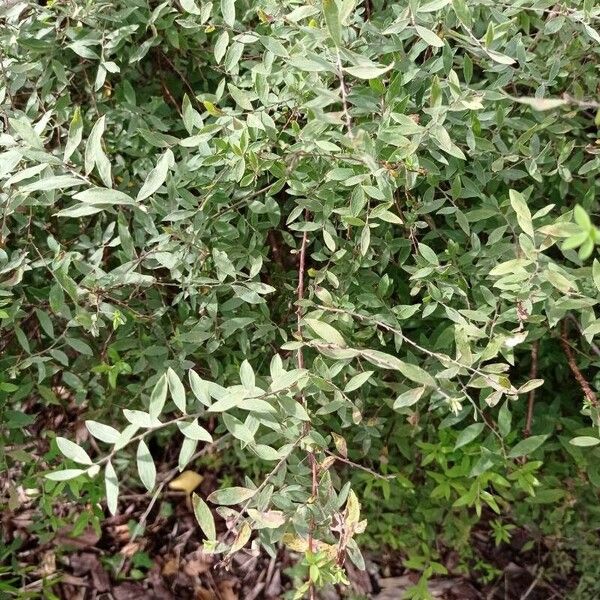
Plant Overview
Known as the Garland Spiraea or "Bridal Wreath," this hybrid is a Victorian-era favorite that turns any garden into a romantic landscape. In early spring, its long, slender branches are so heavily laden with tiny white blossoms that they bend toward the ground like a "fountain of snow." It’s a timeless choice for those who want a high-impact, low-maintenance flowering shrub.
🔍 How to Identify
- 🌸 Blossoms: Features tiny, five-petaled white flowers that grow in dense, rounded clusters (umbels) along the entire length of the branches.
- 🍃 Foliage: Small, lance-shaped leaves that are a soft, bright green during summer, often transitioning to a warm yellow or bronze in the autumn.
- 🌿 Growth Habit: A deciduous shrub with a distinctive arching or cascading shape, typically reaching 6 to 8 feet in height and width.
🏡 In Your Garden
- ✂️ Pruning Nuance: This plant blooms on "old wood," meaning the flower buds for next year are set shortly after the current flowers fade. To avoid a flowerless spring, always prune it immediately after it finishes blooming in late spring.
- 🌞 Site Selection: While it is incredibly hardy and drought-tolerant once established, it needs plenty of sunlight to produce its signature heavy bloom. In deep shade, the branches will become "leggy" and produce fewer flowers.
⚠️ Safety & Toxicity
- ✅ Status: Non-toxic and safe.
- 🐾 Details: This species is generally considered safe for households with pets (cats and dogs) and children. Unlike some other ornamental shrubs, it does not have thorns or irritating sap, making it a "friendly" addition to high-traffic areas.
✨ Fun Fact
The Spiraea X Arguta is a sophisticated hybrid created in the 19th century by crossing two different species (S. thunbergii and S. multiflora) specifically to maximize the "fountain" effect of the flowers!

Detailed Care Instructions
To grow Spiraea X Arguta (Bridal Wreath) plant, follow these steps:
- Choose the right location: Spiraea X Arguta thrives in full sun to partial shade. Select a spot in your garden that receives at least 6 hours of direct sunlight per day. Ensure the soil is well-drained.
- Prepare the soil: Before planting, amend the soil with organic matter like compost or well-rotted manure. This helps improve the soil's fertility and drainage.
- Planting: Dig a hole twice as wide and as deep as the root ball of the plant. Place the plant in the hole, ensuring the crown (where the stem meets the roots) is level with the soil surface. Backfill with soil, gently firming it around the plant. Water thoroughly.
- Watering: Water the plant deeply, providing enough moisture to keep the soil evenly moist but not waterlogged. Once established, Spiraea X Arguta is fairly drought-tolerant, but it still benefits from regular watering during prolonged dry spells.
- Mulching: Apply a layer of organic mulch around the base of the plant. This helps conserve moisture, suppresses weeds, and keeps the roots cool.
- Pruning: Spiraea X Arguta blooms on old wood, so it is best to prune immediately after flowering. Remove any dead, damaged, or crossing branches to maintain an open shape. This also encourages new growth.
- Fertilizing: Feed the plant with a slow-release, balanced fertilizer in early spring, before new growth begins. Follow the manufacturer's instructions for application rates.
- Pest and disease control: Spiraea X Arguta is generally resistant to pests and diseases. However, keep an eye out for common issues such as aphids or powdery mildew. If necessary, treat with appropriate organic or chemical controls.
- Protecting in winter: In colder regions, where temperatures regularly drop below freezing, provide winter protection by applying a layer of mulch around the base of the plant. This helps insulate the roots from extreme cold and prevents frost heaving.
By following these guidelines, you can successfully grow Spiraea X Arguta, a beautiful and easy-to-care-for plant.
To properly water Spiraea X Arguta, you should first determine the watering needs of the plant. This can be done by checking the moisture levels of the soil. Insert your finger into the soil around the plant, up to your first knuckle. If the soil feels dry at this depth, it is an indication that the plant requires watering.
Proceed to water the plant thoroughly by using a watering can or a garden hose fitted with a fine spray nozzle. Direct the water directly at the base of the plant and allow it to soak the soil around it. Ensure that water penetrates the root zone, which is generally in the top 6-12 inches (15-30 cm) of soil. Avoid solely wetting the plant's foliage as this may lead to disease and other issues.
Avoid overwatering the Spiraea X Arguta as it prefers well-draining soil. To prevent waterlogging, which can harm the roots and promote root rot, it is essential to let the soil dry out slightly between watering sessions. The frequency of watering will depend on various factors such as temperature, humidity, and the plant's growth stage. It is usually recommended to water the plant deeply once or twice a week rather than providing shallow and frequent waterings.
During periods of heavy rainfall or when the plant is in active growth, you may need to adjust the watering frequency accordingly. Additionally, it is advisable to water the Spiraea X Arguta early in the mornings, allowing the excess moisture to evaporate before nightfall. This helps prevent fungal diseases that thrive in damp conditions.
Monitoring the plant for signs of stress or underwatering, such as wilting, yellowing leaves, or stunted growth, is crucial. Adjust your watering routine as needed based on the plant's response and the prevailing weather conditions.
Remember, understanding the specific needs of the Spiraea X Arguta and adapting your watering approach accordingly will help ensure its healthy growth and overall well-being.
To fertilize the Spiraea X Arguta plant, follow these instructions:
- Choose a granular fertilizer with a balanced N-P-K ratio (nitrogen, phosphorus, and potassium) such as a 10-10-10 or 20-20-20 formula.
- Apply the fertilizer in early spring, just as new growth begins to emerge.
- Measure the appropriate amount of fertilizer based on the package instructions and the size of your plant.
- Sprinkle the fertilizer evenly around the base of the plant, ensuring it does not come into direct contact with the stems or foliage.
- Gently work the granules into the top layer of soil using a garden fork or a rake.
- Water the plant thoroughly after applying the fertilizer to help the nutrients penetrate into the root zone.
- Repeat the fertilization process once more in early summer to provide additional nutrients for the plant.
- Avoid over-fertilizing as it can lead to burned roots or excessive foliage growth.
- Regularly monitor the plant for signs of nutrient deficiency or excess, such as yellowing leaves or stunted growth, and adjust your fertilization routine accordingly.
Remember, it is important to read and follow the specific instructions provided by the fertilizer manufacturer for best results.
The ideal soil composition for Spiraea X Arguta plants should have excellent drainage capabilities while retaining some moisture. The soil should be well-aerated, loose, and friable, providing room for roots to grow and expand easily. A mixture of organic matter, such as compost or well-rotted manure, incorporated into the soil before planting will enhance its fertility and structure.
Spiraea X Arguta thrives in slightly acidic to neutral soil with a pH range of 5.5 to 7.0. It requires a nutrient-rich soil, so it is advisable to amend the soil with balanced, slow-release fertilizers or organic matter to provide a steady supply of nutrients. A soil test can help determine the exact nutrient requirements.
As for texture, Spiraea X Arguta prefers loamy or sandy soil that allows water to drain quickly, preventing waterlogging or root rot. Sandy soil is especially suitable for preventing excessive moisture retention, while loamy soil provides a perfect balance between drainage and moisture retention.
In terms of moisture, Spiraea X Arguta prefers moderately moist soil. The soil should retain enough moisture for sustained growth, but at the same time, it should not be overly saturated or prone to waterlogging. Adequate drainage is essential to prevent root rot and other moisture-related issues.
In summary, the ideal soil for Spiraea X Arguta is loose, well-aerated, and friable, with good drainage capabilities. It should be slightly acidic to neutral, enriched with organic matter and fertilizer, and able to retain moderate moisture levels without becoming waterlogged.
To propagate Spiraea X Arguta, you can follow these steps:
- Choose a healthy, mature plant: Select a well-established Spiraea X Arguta plant with strong, disease-free growth and vibrant foliage. This will ensure that the propagated plant inherits these desirable traits.
- Select appropriate cuttings: During early spring or late fall, identify suitable branches for cutting. Look for semi-hardwood branches that are neither too young nor too old. These branches should be approximately 6 to 8 inches long and have several leaf nodes.
- Prepare the cuttings: Using clean and sharp pruning shears, make a clean cut just below a leaf node. Remove any leaves from the lower two-thirds of the cutting to prevent excessive water loss and encourage root development.
- Apply rooting hormone (optional): While not essential, applying a rooting hormone to the cut end of the stem can improve rooting success. Dip the cut end in rooting hormone powder or liquid following the manufacturer's instructions.
- Plant the cuttings: Fill a small pot or seed tray with a well-draining rooting medium like a mixture of perlite and peat moss. Make holes in the medium using a pencil or your finger and insert the cut end of the stem into the hole. Gently press the rooting medium around the stem to hold it in place.
- Provide optimal conditions: Place the planted cuttings in a warm, bright location with indirect sunlight. Maintain a consistent temperature around 70-75°F (21-24°C) to promote root development. Ensure the humidity is kept high by covering the pot or tray with a plastic bag or using a propagator.
- Watering and misting: Keep the soil slightly moist but not waterlogged. Water the cuttings from the base rather than watering overhead to avoid dislodging them. Additionally, mist the leaves regularly to maintain humidity and prevent dehydration.
- Monitor and wait for rooting: Check the cuttings regularly for signs of rooting. This can vary in duration depending on the conditions, ranging from several weeks to a couple of months. Gently tug a cutting after a few weeks to see if there is resistance, indicating root development.
- Transplanting into individual pots: Once the cuttings have developed a sufficient root system, usually when they can resist gentle tugging, carefully transfer them into individual pots. Ensure these pots have well-draining soil and adequate space for growth.
- Acclimatization and care: Gradually acclimate the newly potted plants to outdoor conditions by exposing them to increasing amounts of sunlight over a week or two. Provide regular watering, fertilization, and proper maintenance for healthy growth.
Remember, propagating plants can be a rewarding but sometimes challenging process. It's important to be patient and persistent while providing optimal care to maximize your success rate.








