Plant Overview
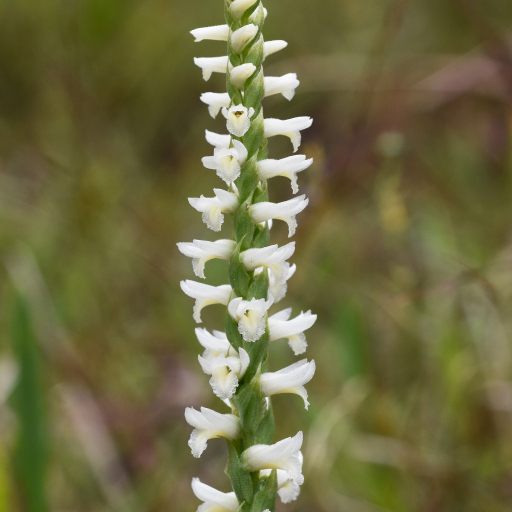
Often called the Great Plains Ladies' Tresses, this delicate orchid is a hidden gem of the autumn prairie. While most wildflowers begin to fade as the frost nears, this orchid saves its grand, fragrant performance for the very end of the growing season. Its name is a poetic nod to the way the tiny, ivory blossoms spiral upward, resembling a meticulously braided lock of hair.
🔍 How to Identify
- 螺旋 The "Braid": The tiny, creamy-white flowers are arranged in a tight, twisting spiral (a spike) that looks like it has been braided.
- 🍃 The Ghost Leaves: Uniquely, the basal leaves usually wither and disappear before the flowers even bloom, leaving a naked, silvery-green stalk standing alone.
- 👃 The Scent: One of its most famous features is its intense fragrance; if you lean in, you’ll notice a heavy, sweet aroma reminiscent of vanilla, jasmine, or almonds.
- 🔔 Flower Shape: Each individual bloom is tubular and downward-nodding, with a crystalline texture that looks like it was dusted with tiny sugar diamonds.
🏡 In Your Garden
- 🌱 Soil Nuance: Unlike many tropical orchids, this species thrives in "calcareous" soil—meaning it loves lime and alkaline conditions. It is often found in rocky prairies or meadows where other plants might struggle with the high pH.
- ☀️ Sun & Competition: It prefers full sun but is a poor competitor. In a garden setting, it needs "open" spots where taller, aggressive grasses won't overshadow it or crowd out its sensitive root system.
- 💧 Drought Strategy: Because it blooms so late (often into October or November), it has evolved to be much more drought-tolerant than its wetland orchid cousins, making it a hardy choice for a native prairie garden.
⚠️ Safety & Toxicity
- ✅ Status: Non-toxic and safe.
- 🐾 Details: There are no known toxic effects on humans, cats, or dogs. However, because it is a relatively rare native orchid, the biggest "safety" concern is for the plant itself—it is highly sensitive to transplanting and should never be "rescued" from the wild, as it relies on specific soil fungi to survive.
✨ Fun Fact
The species name magnicamporum literally translates to "of the great plains." It was only scientifically distinguished from its look-alike cousin, the Nodding Ladies' Tresses, in 1973, primarily because of its distinct "vanilla-cinnamon" scent and its habit of losing its leaves before flowering!

Detailed Care Instructions
Spiranthes magnicamporum, also known as the Great Plains ladies tresses, is a species of orchid native to North America. It typically grows in prairies, meadows, and open woodlands. If you are interested in growing this plant in your garden, here are some steps you can take:
- Choose the right location: Spiranthes magnicamporum prefers full sun to partial shade and well-drained soil. It can tolerate a range of soil types, but it does best in sandy or loamy soil.
- Planting: Plant Spiranthes magnicamporum in the spring or fall. Dig a hole that is slightly larger than the root ball of the plant and place the plant in the hole. Cover the roots with soil and water thoroughly.
- Watering: Keep the soil consistently moist, especially during the plant's active growing season. Avoid overwatering, as this can cause root rot.
- Fertilizing: Spiranthes magnicamporum does not typically require additional fertilization, as it can obtain nutrients from the soil. However, you can apply a balanced fertilizer once a year in the spring if desired.
- Mulching: Mulch around the plant to help retain moisture and suppress weeds. Make sure to leave a gap between the mulch and the stem of the plant to prevent rot.
- Maintenance: Remove any dead or wilted leaves and flowers to encourage new growth. You may also want to divide the plant every few years to prevent overcrowding.
- Wildlife attraction: Spiranthes magnicamporum is known to attract pollinators such as bees and butterflies. Consider planting it near other native plants to create a wildlife-friendly garden.
By following these steps, you can successfully grow Spiranthes magnicamporum in your garden and enjoy its beautiful blooms.

Place in a bright room that is sun drenched almost all day. Or directly in a south-facing window.

To water this plant, you should thoroughly saturate the soil around the base of the plant, allowing the water to penetrate deep into the root system. It is important to water the plant consistently, keeping the soil evenly moist but not waterlogged. Avoid letting the soil dry out completely between waterings, as this can lead to stress and dehydration for the plant. Consider using a watering can or a gentle hose attachment to water the plant slowly and evenly, ensuring that the water reaches all parts of the root system. Additionally, be mindful of the plant's specific watering needs based on factors such as temperature, humidity, and sunlight exposure.
To fertilize Spiranthes magnicamporum, use a balanced, slow-release fertilizer with a higher phosphorus and potassium content than nitrogen. Apply the fertilizer in early spring before new growth appears, following the manufacturer's instructions for dilution and frequency. Be careful not to over-fertilize, as this can lead to nutrient imbalances and harm the plant. Water the plant thoroughly after fertilizing to ensure the nutrients are absorbed properly.
Spiranthes Magnicamporum plants prefer well-draining soil with a slightly acidic pH level. A good mix for this plant would include a combination of peat moss, perlite, and sand. This type of soil allows for proper air circulation and water drainage, which is essential for the health and growth of Spiranthes Magnicamporum plants. Additionally, adding organic matter, such as compost or aged manure, can help provide essential nutrients for the plant to thrive. It is important to avoid heavy or compacted soils, as they can lead to root rot and other issues for Spiranthes Magnicamporum plants. Regularly amending the soil with a balanced fertilizer can also help maintain the plant's overall health and vitality.
Spiranthes magnicamporum can be propagated through division or through seed propagation. To propagate through division, carefully separate the plant into smaller sections, making sure each section has a healthy root system. Replant the sections in well-draining soil and water them thoroughly.
To propagate through seed, collect the seeds from the plant when they are mature and dry. Sow the seeds in a tray filled with a mixture of peat moss and sand, keeping them moist but not waterlogged. Place the tray in a warm, sunny location and wait for the seeds to germinate.
Once the new plants have established themselves, they can be transplanted into individual pots or directly into the garden. Make sure to provide them with adequate sunlight, water, and nutrients to promote healthy growth.








