Plant Overview
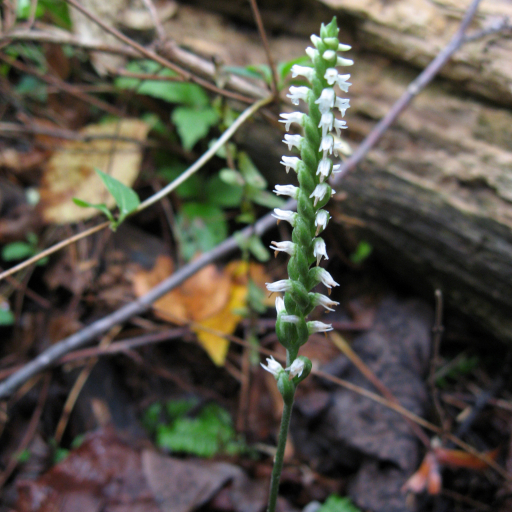
Often called the October Ladies'-tresses, this subtle beauty is the "grand finale" of the orchid season. While many orchids flaunt loud colors in spring, Spiranthes ovalis waits until the air cools and the leaves turn gold to reveal its delicate, braided white spikes. It is a master of camouflage, blending into the forest floor until its ghostly white flowers begin their elegant upward spiral.
🔍 How to Identify
- 🧬 Spiral Arrangement: Small, creamy white flowers are arranged in a distinct "braid" or tight spiral (a spike) around a single central stem.
- 🍃 Leaf Shape: True to its name (ovalis), the leaves at the base are wider and more oval-shaped than many of its slender-leaved orchid cousins.
- 🥛 Flower Texture: The individual blooms are tiny and tubular, often appearing translucent or "frosted" like fine porcelain when viewed up close.
🏡 In Your Garden
- 🌳 Woodland Preference: This orchid thrives in the dappled light of deciduous forests and prefers "moist-but-not-soggy" soil rich in organic leaf mold.
- 🧘 Root Sensitivity: It relies on a complex relationship with specific soil fungi (mycorrhizae) to survive. This makes it very sensitive to chemical fertilizers and extremely difficult to transplant or move.
- 🕰️ Late-Season Value: Because it blooms so late in the year, it serves as a vital nectar resource for small native bees when most other woodland flowers have already faded.
⚠️ Safety & Toxicity
- 🛡️ Safe Status: Spiranthes ovalis is generally considered non-toxic to humans and common household pets like cats and dogs.
- 🚫 Conservation First: While not poisonous, these plants are often rare or protected in the wild. Harvesting them can lead to local extinction, and they rarely survive being moved from their native soil.
✨ Fun Fact
The name Spiranthes is derived from the Greek words for "coil" and "flower." This "spiral staircase" growth pattern is thought to help pollinators, like bumblebees, efficiently navigate the flowers from the bottom to the top without missing a single drop of nectar!

Detailed Care Instructions
To grow Spiranthes Ovalis, also known as the Indian Lady's Tresses or October Ladies Tresses, you can follow these steps:
- Choose a suitable location: Spiranthes Ovalis thrives in full sun to partial shade, so select a spot with these light conditions. The soil should be well-draining, as the plant does not tolerate standing water.
- Prepare the soil: Before planting, enrich the soil with organic matter such as compost or well-rotted manure. This will improve the soil's structure and fertility.
- Planting: Dig a hole that is slightly wider and deeper than the plant's root ball. Place the Spiranthes Ovalis plant in the hole, making sure the crown (where the roots meet the stem) is level with the soil surface. Fill the hole with soil and gently firm it around the plant.
- Watering: After planting, thoroughly water the plant to settle the soil and ensure good root establishment. Keep the soil consistently moist but not waterlogged during the growing season.
- Mulching: Apply a layer of mulch around the plant to help retain moisture, suppress weeds, and moderate soil temperature.
- Fertilizing: Spiranthes Ovalis usually does not require regular fertilization. However, you can apply a balanced, slow-release fertilizer in early spring if the plant appears to be lacking nutrients.
- Pruning: Spiranthes Ovalis does not require extensive pruning. However, you can remove spent flower spikes after they have finished blooming to maintain a neat appearance.
- Watch for pests and diseases: Monitor for any signs of pests such as aphids or diseases such as fungal infections. Promptly address any issues to prevent damage to the plant.
- Propagation: Spiranthes Ovalis can be propagated through division or by collecting and sowing seeds. Divide the plant every few years in early spring or collect seeds after flowering and sow them in a well-prepared seedbed.
- Enjoy the blooms: Spiranthes Ovalis produces small, fragrant white flowers in late summer or fall. Take time to appreciate the beautiful display and the pollinators it attracts.
Remember to consider your local climate and growing conditions when caring for Spiranthes Ovalis. Adjust watering and maintenance practices accordingly to best suit the plant's needs.

Place in a bright room that is sun drenched almost all day. Or directly in a south-facing window.

To water the Spiranthes Ovalis plant, it is important to assess the soil moisture level before proceeding. Start by gently inserting your finger about an inch into the soil near the plant's base. If the soil feels dry, it is an indication that watering is needed. Proceed with the following steps:
1. Prepare a watering can or a hose with a gentle spray attachment. It is essential to provide a soft and gentle stream of water to avoid disturbing the plant's delicate roots.
2. Position the nozzle of the watering can or hose close to the base of the plant to ensure that water reaches the roots directly. Spiranthes Ovalis benefits more from deep root watering instead of surface-level watering.
3. Slowly and evenly apply water around the plant's base, allowing it to be absorbed into the soil. Avoid excessive watering, as this can lead to root rot and other moisture-related problems. The goal is to moisten the soil adequately, not saturate it.
4. Take into account the plant's specific watering needs based on its growth stage and environmental factors. For instance, newer potted plants may require more frequent watering compared to well-established ones. Additionally, plants grown in hot, dry climates might need more watering than those in cooler, humid conditions.
5. After watering, observe the drainage pattern to ensure excess water does not accumulate around the plant. This could help prevent waterlogging, which may harm the plant.
6. Monitor the plant regularly to assess its water needs. Factors such as temperature, humidity, and season can affect the plant's water requirements. Adjust your watering routine accordingly. Remember that it is better to slightly underwater than overwater, as the Spiranthes Ovalis plant prefers slightly drier conditions.
By following these guidelines, you can maintain appropriate watering practices for the Spiranthes Ovalis plant, promoting its health and growth.
To fertilize the Spiranthes Ovalis plant, follow these instructions:
- Use a water-soluble balanced fertilizer, such as a 10-10-10 or 20-20-20 formula.
- Dilute the fertilizer according to the instructions on the packaging. Typically, a ratio of 1 tablespoon of fertilizer per gallon of water is recommended.
- Water the plant thoroughly before applying the fertilizer to ensure the soil is moist.
- Pour the diluted fertilizer mixture around the base of the plant, taking care not to splash it onto the leaves or flowers.
- Repeat the fertilization process every 4-6 weeks during the growing season, which usually spans from spring to early fall.
- Monitor the plant's response to fertilization. If you notice any signs of over-fertilization, such as leaf burn or wilting, reduce the frequency or concentration of fertilizing.
- In late fall, stop fertilizing as the plant prepares for its dormant period.
Remember, every plant's nutrient needs may vary, so it's essential to observe the Spiranthes Ovalis plant and adjust the fertilization routine accordingly.
When it comes to growing Spiranthes Ovalis plant, it is important to choose the right soil type to ensure proper growth and development. The ideal soil for Spiranthes Ovalis should have specific characteristics to support its needs.
Firstly, the soil should be well-draining to prevent waterlogging and saturation, as excess moisture can lead to root rot and other plant diseases. It is recommended to avoid heavy clay soils that retain water excessively.
The soil should also have a pH level that is slightly acidic to neutral, typically ranging between 6.0 to 7.0. This pH range ensures optimal nutrient availability and uptake for the Spiranthes Ovalis plant.
Additionally, the soil should be rich in organic matter, which provides essential nutrients and improves moisture retention. Adding compost or well-rotted organic matter to the soil can enhance its fertility, structure, and overall nutrient content.
The Spiranthes Ovalis plant prefers soil that is moderately fertile, ensuring a sufficient supply of nutrients. It is advisable to amend the soil with a balanced fertilizer or slow-release granules specifically formulated for flowering plants. This will help provide the necessary nutrients for healthy growth and vibrant blooms.
Lastly, the soil should be loose and friable, promoting root growth and allowing for proper airflow. Loose soil allows the roots to penetrate easily, facilitating nutrient absorption and providing stability to the plant.
Overall, choose a well-draining, slightly acidic to neutral soil rich in organic matter and nutrients, while maintaining good soil structure and texture. Following these guidelines will help ensure the successful growth and development of the Spiranthes Ovalis plant.
To propagate the Spiranthes Ovalis plant, you can follow the steps below:
- Begin by selecting a healthy parent plant with mature flowers. Ensure that the plant is disease-free and free from any signs of damage or stress.
- Prepare a growing medium that is well-draining and suitable for orchids. Orchid bark, perlite, and sphagnum moss mixed together in equal parts can provide an ideal growing medium.
- Clean and sterilize the containers or pots that you'll be using for propagation to prevent the spread of diseases or pests. Rinse them thoroughly with warm water and a mild bleach solution, then allow them to air dry.
- Carefully remove the parent plant from its existing pot, taking care not to damage the roots. Gently shake off any excess soil to expose the rhizomes and roots.
- Inspect the plant for any signs of disease or pests. If you notice any issues, treat accordingly before proceeding with propagation.
- Using a clean and sharp pair of scissors or pruners, divide the plant into smaller sections. Each section should have a healthy rhizome and a couple of well-developed roots.
- Dust the cut surfaces with a fungicide powder to prevent any potential infections.
- Fill the prepared pots or containers with the growing medium, leaving enough space to accommodate the divided sections.
- Place each section onto the growing medium in its own pot and gently press it down. Ensure that the rhizomes are slightly above the surface, while the roots are well-covered.
- Mist the newly planted sections with water to settle the growing medium around the roots.
- Move the pots to a warm and well-lit location, preferably where the temperature remains between 60-75°F (15-24°C). Avoid direct sunlight, as it may scorch the plant.
- Maintaining high humidity is crucial for the successful propagation of Spiranthes Ovalis. Cover the pots with clear plastic bags or place them in a propagator to retain moisture.
- Water the plants regularly by misting the foliage and providing a small amount of water in the pot's saucer. Ensure there is no standing water in the saucer, as it can cause root rot.
- Monitor the plants closely for any signs of growth. New growth should emerge from the rhizomes within a few weeks, indicating successful propagation.
- After the new plants have developed a sufficient root system and are showing robust growth, you can gradually acclimate them to lower humidity levels by removing the plastic bags or opening the propagator vents.
- Once the new plants have outgrown their pots and have a well-established root system, you can transplant them into larger pots to give them room to grow.
Remember to research and follow any specific care requirements for Spiranthes Ovalis to ensure its successful growth and development.








