Plant Overview
Known affectionately as the June Plum, Ambarella, or Golden Apple, Spondias dulcis is a tropical powerhouse that brings a taste of the South Pacific to your backyard. This fast-growing tree is prized for its crunchy, tart-to-sweet fruit that transitions from a vivid green to a brilliant sunset yellow. Whether eaten fresh with a pinch of salt or simmered into a spicy chutney, it is a versatile favorite in tropical kitchens worldwide.
🔍 How to Identify
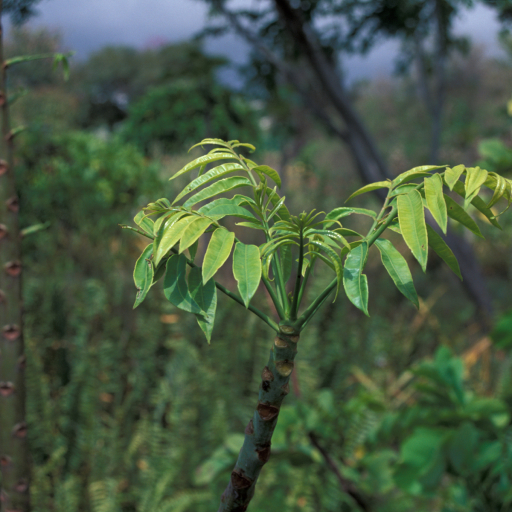
- 🍃 Lush Foliage: Features long, glossy green compound leaves that grow in elegant clusters at the branch tips. These leaves often turn bright yellow before falling during the dry or cold season.
- 🍍 The Fruit: Oval-shaped drupes that hang in heavy clusters. The skin is thin but tough, protecting a crisp, white flesh that surrounds a single, large, fibrous core.
- 🌳 Bark & Structure: A deciduous tree with smooth, grayish-brown bark. In the wild, it can reach impressive heights, but garden varieties are often kept as manageable, wide-canopy shrubs.
🏡 In Your Garden
- ☀️ Sun & Space: This tree is a sun-worshiper. It requires full light to produce a heavy harvest. Because it grows quickly, it needs plenty of room for its roots to stretch, though dwarf varieties are becoming popular for large patio containers.
- 💧 The "Goldilocks" Soil: While it loves a tropical drink, it hates "wet feet." Ensure your soil is rich in organic matter but extremely well-draining. If the roots sit in standing water, the tree will quickly drop its leaves in protest.
⚠️ Safety & Toxicity
- ✅ Status: Non-toxic and widely edible.
- 🦷 Dental Caution: While the fruit is delicious, the central pit is covered in stiff, woody spines. Avoid biting down hard on the core, as these fibers can be quite sharp.
- 🐾 Pet Safety: The fruit itself is safe, but the large, spiky pit is a significant choking and intestinal obstruction hazard for dogs. Keep fallen fruit cleared from the ground if your furry friends are nearby.
✨ Fun Fact
History suggests that the famous Captain Bligh (of the HMS Bounty) was responsible for introducing the June Plum to Jamaica in 1792. While he is most famous for the Breadfruit, the "Golden Apple" became one of his most successful botanical legacies in the Caribbean!

Detailed Care Instructions
To grow a Spondias Dulcis plant, also known as the Ambarella or June Plum, you can follow these steps:
- Propagation: You can start from seeds or by using stem cuttings. If using seeds, soak them in water for 24 hours before planting. If using stem cuttings, choose a healthy branch and cut a 6-8 inch section from it.
- Soil: Use a well-draining soil mix that is rich in organic matter. A mixture of equal parts potting soil, perlite, and compost generally works well.
- Planting: For seeds, plant them 1 inch deep in small pots or seed trays. For cuttings, plant them 2-3 inches deep in a small pot filled with the soil mix. Water thoroughly after planting.
- Light: Spondias Dulcis plants thrive in full sun conditions. Place the potted plant in a sunny location or provide it with at least 6-8 hours of direct sunlight each day.
- Watering: Water the plant regularly, ensuring that the soil remains moist but not waterlogged. Allow the soil to slightly dry out between waterings to prevent root rot.
- Fertilization: Apply a balanced slow-release fertilizer every few months or use a liquid fertilizer diluted according to the package instructions. Avoid over-fertilizing, as this can lead to excessive vegetative growth with reduced fruit production.
- Pruning: Regular pruning can help maintain the size and shape of the plant. Remove any dead or diseased branches and trim back excessive growth to encourage branching and fruit production.
- Support: If the plant begins to grow tall and leggy, consider staking it to provide support and prevent it from falling over.
- Harvest: Spondias Dulcis plants usually start producing fruit within 3-4 years. The fruits are ready to harvest when they turn yellow and are slightly soft to the touch. Simply twist or cut the fruit from the tree.
By following these steps, you can successfully grow a Spondias Dulcis plant and enjoy its delicious fruits.

Place in a bright room that is sun drenched almost all day. Or directly in a south-facing window.

To water this particular plant, it is important to first consider the environmental factors that may impact its growth and hydration needs. This includes the level of sunlight it receives, the type and quality of soil it is planted in, and the climate and humidity of its location. Once these factors have been considered, a watering routine can be established based on the plant's specific requirements.
When watering this plant, the most important thing to avoid is over-watering. This can lead to root rot and other damaging conditions that can ultimately harm the plant's overall health. Instead, it is recommended to water the plant deeply but infrequently, allowing the soil to dry out somewhat between watering sessions. This can help to promote root growth and overall plant health, while reducing the risk of disease and other issues.
To determine when to water the plant, it is often helpful to check the soil moisture using a moisture gauge or by simply feeling the soil with your fingers. When the soil feels dry to the touch, it is time to water the plant again. When watering, it is important to avoid getting water on the plant's leaves or flowers, as this can cause damage or disease.
Finally, it is important to consider any additional care that the plant may require, such as pruning or fertilization, in order to promote its overall health and longevity. With proper care and attention, this plant can thrive and provide a beautiful addition to any garden or indoor space.
To fertilize this plant, you should apply a balanced fertilizer in the early spring and late summer. Use a fertilizer with a ratio of 10-10-10 or similar. Apply the fertilizer around the base of the plant, making sure to avoid the trunk. Water the plant thoroughly after fertilizing. Additionally, you can also top-dress the soil around the plant with organic matter, such as compost or aged manure, to provide a slow-release source of nutrients. Finally, avoid over-fertilizing, as this can cause damage to the plant.
To grow Spondias Dulcis plant, it is recommended to use a well-draining soil that is rich in organic matter. A mix of peat moss, compost, and sand can be used to create a suitable soil medium. The soil pH should be slightly acidic, with a range of 5.5 to 6.5. The plant prefers a soil that is moist but not waterlogged, so it is important to ensure proper drainage. Adding perlite to the soil mixture can help improve drainage, but care should be taken not to use too much as it can cause the soil to become too dry. Overall, the soil should be kept consistently moist but not overly wet or dry. Regular fertilization with a balanced fertilizer, preferably one that is water-soluble, can help promote healthy growth and fruit production.
Spondias Dulcis plant can be propagated through various methods which include:
- Seed propagation: Collect ripe fruits of the plant, extract clean seeds from the fruit, and sow them in a nursery or suitable potting mix. Water the soil regularly and provide a warm and humid environment for the seeds to germinate.
- Cutting propagation: Take cuttings from the mature branches of the plant of about 6 to 8 inches in length. Remove the leaves from the lower portion of the cutting and dip it in rooting hormone powder or gel. Plant the cutting in well-drained soil, water it and mist it regularly to maintain humidity, and provide dappled sunlight until it develops roots.
- Grafting propagation: Choose a healthy scion, which is a small piece of the plant that has desirable traits, and a rootstock, which is another plant species that will provide the root system. Use a sharp knife to make a slanting cut on both the scion and rootstock. Carefully join them and tie them tightly with a grafting tape. Cover the graft with a plastic bag to create a humid environment for the newly grafted plant to grow.
Propagation of Spondias Dulcis plant requires proper care and attention to ensure successful establishment of the new plant.
Common pests of the golden apple include Spider mites, thrips, larvae. Make a habit of checking your golden apple frequently for pests so that any infestations can be caught and managed early.








