Plant Overview
Known fondly as the Hog Plum or Yellow Mombin, this tropical fruit tree is a staple across the Caribbean and Central America. Its name comes from the way livestock—especially pigs—eagerly forage for the fallen, golden fruits that carpet the ground during harvest. Beyond its sweet-and-sour bounty, the tree is celebrated for its incredible resilience, often used by farmers as a "living fence" that thrives even in challenging soil.
🔍 How to Identify
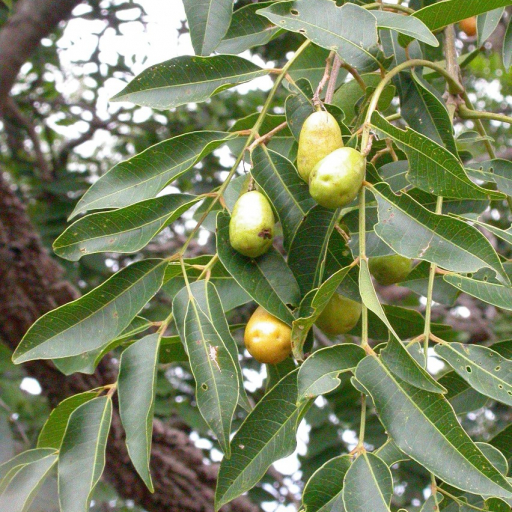
- 🌿 The Foliage: Features long, elegant compound leaves (pinnate) with 5 to 11 pairs of leaflets, giving the canopy a lush, feathery texture.
- 🟡 The Fruit: Look for clusters of oval, plum-sized fruits that transition from green to a vibrant golden-yellow; the skin is thin, while the pulp inside is juicy and acidic.
- 🪵 The Bark: The trunk is highly distinctive, covered in thick, corky bark that often develops "warty" or spine-like projections as the tree matures.
🏡 In Your Garden
- ☀️ Drought Adaptation: This tree is a master of survival; it is deciduous, meaning it will intentionally drop its leaves during the dry season to conserve moisture before blooming into a cloud of tiny, fragrant white flowers.
- 🌱 Propagation Ease: One of the most unique aspects of the Mombin is its ability to grow from "stakes." You can literally drive a large branch into the ground, and it will often take root and grow into a new tree, making it perfect for natural boundary markers.
⚠️ Safety & Toxicity
- ✅ Safe for Consumption: The fruit is entirely edible and rich in Vitamin C, though it is more commonly used for juices and jams than eaten fresh due to its large seed.
- 🦴 Choking Hazard: The "stone" or pit inside the fruit is quite large, fibrous, and hard. Ensure children and pets do not accidentally swallow the pits, as they can cause digestive blockages.
- 🧴 Traditional Use: While the bark and leaves are used in traditional medicine for their astringent properties, always consult a professional before attempting any home remedies.
✨ Fun Fact
In many parts of the Amazon and the Caribbean, the Spondias Mombin is used to produce a traditional fermented drink known as "Vino de Jobo." Because the fruit ferments quickly in the tropical heat, it has been used to make "jungle wine" for centuries!

Detailed Care Instructions
To grow a Spondias mombin plant, also known as the yellow mombin or hog plum, you can follow these steps:
- Obtain seeds or a young seedling of Spondias mombin from a reputable nursery or seed supplier.
- Choose a sunny location with well-draining soil. Spondias mombin thrives in tropical and subtropical regions, so ensure your selected spot receives ample sunlight.
- Prepare the soil by loosening it with a garden fork or tiller. Remove any weeds or rocks that might impede the plant's growth.
- Dig a hole that is slightly larger than the root ball if planting a seedling or, if starting from seeds, follow the instructions on the seed package for correct depth.
- Place the seedling or seeds in the hole, ensuring it rests at the same depth it was initially planted in the pot or seed tray.
- Gently backfill the hole with soil, tamping it down lightly to secure the plant's position.
- Water the plant thoroughly following planting to help settle the soil. Afterward, water the plant regularly, ensuring the soil remains moist but not waterlogged.
- Apply a layer of organic mulch around the base of the plant to help retain moisture and suppress weed growth. This can consist of compost, wood chips, or straw.
- Provide support if necessary. Young Spondias mombin plants may need support, such as a stake or trellis, to help them grow upright.
- Fertilize the plant as needed. Use a balanced, slow-release fertilizer or organic compost to provide adequate nutrients. Follow the manufacturer's instructions for application rates.
- Prune the plant as necessary to shape it and remove any dead or diseased branches. Pruning can help promote bushier growth and better fruit production.
- Protect the plant from extreme temperatures, especially during winter or colder seasons. While Spondias mombin can tolerate some cold, it is best to provide frost protection if temperatures drop below its preferred range.
With proper care, your Spondias mombin plant should grow and eventually produce fruits. This plant is known to take several years before it starts fruiting, so be patient and continue to provide the necessary care and maintenance.

Place in a bright room that is sun drenched almost all day. Or directly in a south-facing window.

To water this plant, it is important to consider the soil moisture level and climatic conditions. Watering should be done when the soil becomes dry to a depth of 2-3 inches. It is best to water the plant deeply once or twice a week rather than light watering every day. Adequate drainage should be provided to prevent waterlogging and rotting of roots. During hot and dry weather, the plant may require more frequent watering. It is important to avoid over-watering and excessive moisture as it can lead to fungal diseases and root rot. Regular monitoring of soil moisture levels, weather conditions, and plant health is essential for proper watering of this plant.
To fertilize the plant, use a balanced fertilizer with an N-P-K ratio of 10-10-10, or a fertilizer specifically formulated for fruit trees. Apply the fertilizer once a month during the growing season (spring and summer). Be sure to follow the manufacturer's instructions for application rate and method. Avoid fertilizing in the winter when the plant is dormant.
When planting the Spondias Mombin plant, it is recommended to use a well-draining soil mixture. The ideal soil should be rich in organic matter and nutrients, with a pH ranging between 6.0 and 7.0. The soil should be light and sandy, with good water-holding capacity while still allowing for proper drainage. It is important to avoid heavy, clay soils that may retain too much moisture and suffocate the roots of the plant. Additionally, the soil should be free from any contaminants or diseases that could harm the plant's growth and development. Regular fertilization and soil testing may also be necessary to maintain adequate soil health and nutrient levels.
Propagation of this plant can be done through various methods, including seed propagation, air layering, and grafting.
Seed propagation involves collecting ripe seeds from the plant, removing the pulp, and air-drying them. The seeds are then sown in a well-draining soil mix and kept moist until germination occurs. This method is relatively easy but may produce plants with varying characteristics.
Air layering involves making a cut in the stem of a mature plant, treating the wound with rooting hormone, and wrapping it in a moist growing medium. Roots will form at the cut, and once they are established, the new plant can be separated from the parent.
Grafting involves taking a cutting from a desirable variety and attaching it to a rootstock of a related species. This method guarantees that the new plant will have the desired genetic characteristics but requires more skill and knowledge.
Once the new plants have been propagated, they should be planted in well-draining soil, given regular water and fertilizer, and protected from pests and diseases. With proper care, Spondias Mombin plants can provide a bountiful crop of delicious fruit.








