Plant Overview
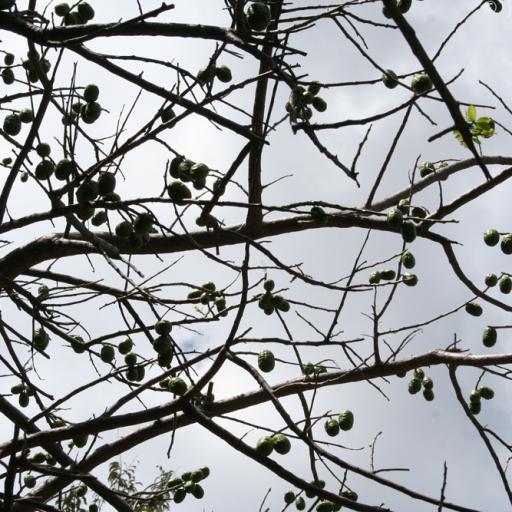
Often called the "Jocote" or "Spanish Plum," Spondias purpurea is a beloved fruit-bearing tree deeply woven into the culinary fabric of Central and South America. During the dry season, these hardy trees shed their leaves and decorate their bare branches with hundreds of small, jewel-toned fruits. Whether eaten raw with a pinch of salt or boiled into a sweet syrup, the Jocote is a nostalgic symbol of tropical summers and vibrant street markets.
🔍 How to Identify
- 🍃 The Foliage: The leaves are "pinnate," meaning they grow in pairs along a central stem, resembling a feather. They often turn bright yellow before falling off during the dry season.
- 🍒 The Fruit: Small, oval-shaped drupes about the size of a large olive. They transition from green to a deep, waxy red or purple (and sometimes yellow) as they ripen.
- 🌸 The Blooms: Tiny, five-petaled flowers that are red or pink. Uniquely, these flowers often sprout directly from the older, thick branches before the new leaves even emerge.
🏡 In Your Garden
- 🪵 Living Fences: One of the most fascinating traits of the Jocote is its ability to grow from large cuttings. In many tropical regions, farmers simply stick a large branch into the ground to create a "living fence" that eventually grows into a sturdy, fruit-bearing row.
- ☀️ Drought Resilience: This tree actually prefers a period of drought. To trigger a heavy harvest, the tree needs a distinct dry season where it can drop its leaves; too much water year-round can actually lead to lots of leaves but very little fruit.
⚠️ Safety & Toxicity
- ✅ Status: Generally safe and widely edible.
- 👄 The Pit: The fruit contains a large, fibrous stone (seed) that is not edible. It can be a choking hazard for small children, and the skin of some varieties can be slightly acidic, potentially irritating the lips if consumed in large quantities.
- 🐾 Pets: While the fruit flesh is non-toxic, the large pits can cause intestinal blockages if swallowed by dogs or cats.
✨ Fun Fact
The name "Jocote" is derived from the Nahuatl word xocotl, which simply means "sour or acidic fruit." In El Salvador and Guatemala, a popular way to enjoy them is "Jocotes en Miel," where the fruit is slow-cooked in a dark, spiced sugar syrup until it becomes soft and candy-like.

Detailed Care Instructions
| Humidity | Normal |
| Lighting | Full Sun |
| Toxicity | Poisonous |
| Difficulty | Medium |
| Temperature | 22°C - 35°C |
| Hardiness Zones | 10 - 12 |
To grow Spondias Purpurea plant, also known as the Purple Mombin or Hog Plum, follow these steps:
- Climate and Soil: Spondias Purpurea thrives in warm, tropical climates. It requires full sun exposure and well-draining soil. The plant can tolerate a variety of soil types, but it prefers loamy soil.
- Propagation: The Spondias Purpurea plant can be propagated through seeds or cuttings. If using seeds, soak them in water for 24 hours before planting. Plant the seeds in pots or directly in the ground, at a depth of 1-2 inches. If using cuttings, take a 6-12 inch long cutting from a healthy mature plant and plant it in a pot with well-draining soil.
- Watering: Water the plant regularly, keeping the soil moist but not waterlogged. During hot, dry periods, increase the frequency of watering. Avoid excessive watering that may lead to root rot.
- Fertilization: Apply a balanced, slow-release fertilizer during the growing season, following the manufacturer's instructions. Additionally, you can use organic matter, such as compost or well-rotted manure, to enrich the soil.
- Pruning: Prune the plant regularly to maintain its shape and promote airflow. Remove any dead or diseased branches. Pruning also helps control the plant's size and encourages better fruit production.
- Pests and diseases: Spondias Purpurea plants can be susceptible to various pests and diseases, including aphids, fruit flies, and fungal infections. Monitor your plant regularly and take appropriate measures to control any pest or disease outbreaks, such as using organic pest control methods or sprays.
- Harvesting: The Spondias Purpurea plant usually starts producing fruit within 3-4 years. Harvest the fruits when they are fully ripe, which is indicated by their color and smell. The fruits can be eaten fresh or used in various culinary preparations.
Remember to provide adequate care, including regular watering, sunlight, and soil maintenance, to ensure the health and growth of your Spondias Purpurea plant.

Place in a bright room that is sun drenched almost all day. Or directly in a south-facing window.

To properly water this type of plant, you should first check the soil moisture level using a moisture meter or by inserting your finger into the top inch of soil. If the soil feels dry, it is time to water the plant.
Use room temperature or lukewarm water and pour it slowly and evenly around the base of the plant. Be sure not to water the leaves as this can lead to fungal growth and other issues. Let the water soak in and drain out of the pot before putting it back in its place. Water the plant once a week or as needed, depending on the temperature and humidity in the environment. Avoid overwatering, which can lead to root rot and other problems.
- Choose a balanced fertilizer with equal amounts of nitrogen, phosphorus, and potassium.
- Apply the fertilizer in the early spring before new growth starts.
- Mix the fertilizer with water according to package instructions.
- Apply the fertilizer evenly around the base of the plant.
- Use caution not to apply too much fertilizer, as this can harm the plant.
- Water the plant immediately after fertilizing to assist the nutrients in reaching the roots.
- Repeat fertilizing once every year.
For optimal growth and health of the Spondias Purpurea plant, it is important to use a well-draining soil mix that contains a blend of organic and inorganic materials. The soil should have a slightly acidic pH level and be rich in nutrients, such as nitrogen, potassium, and phosphorus.
A suitable soil mix can be created using a combination of peat moss, perlite, and vermiculite. These materials will provide good drainage, aeration, and moisture retention while allowing the plant's roots to grow and spread.
It is important to avoid using heavy clay or compacted soils, as they will not allow for proper oxygenation and drainage. Additionally, using a sterile soil mix will help prevent the growth of harmful bacteria, fungi, and other pests that can damage the plant's roots.
Overall, it is important to select a soil mix that will allow the Spondias Purpurea plant to thrive and produce healthy fruit.
To propagate this plant, take a cutting from a healthy and mature parent plant during the active growing season. The cutting should be about 6-8 inches long and have at least three nodes. Remove the leaves from the lower third of the cutting and dip the cut end in rooting hormone. Plant the cutting in a well-draining potting mix and keep the soil moist. Place the pot in a warm and brightly lit area, but not in direct sunlight. It may take several weeks for the cutting to root and establish itself. Once the new plant is established, it can be transplanted into a larger pot or directly into the ground.








