Plant Overview
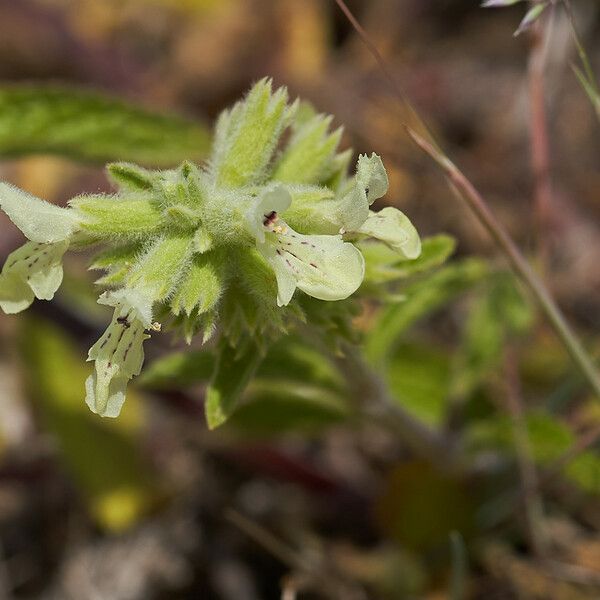
Often called the Sea Woundwort, Stachys maritima is a resilient coastal beauty that looks as if it is wearing a coat of shimmering silver velvet. Found dancing along the sandy shorelines of the Mediterranean and Black Seas, this plant has adapted to harsh salt sprays and scorching sun with its distinctive woolly foliage. In ancient maritime folklore, these soft, felt-like leaves were often tucked into the kits of sailors to help soothe minor scrapes during long voyages.
🔍 How to Identify
- 🍃 Silver Velveteen: The leaves are thick, oval, and covered in a dense, felt-like layer of white, woolly hairs that protect the plant from salt crystals and dehydration.
- 🌼 Creamy Blooms: It produces modest, pale yellow or cream-colored hooded flowers that emerge from the woolly spikes, usually appearing between late spring and mid-summer.
- 🧱 Square Stems: As a member of the Mint family, it features the characteristic four-angled, sturdy stems that help it stand tall against coastal winds.
🏡 In Your Garden
- 🏖️ The Dune Specialist: This plant is an "extremophile" for sandy soils. It thrives in poor, rocky, or sandy substrates where other plants would wither, making it an excellent choice for xeriscaping or rock gardens.
- 💧 Anti-Humidity: While it is incredibly drought-tolerant, its woolly leaves can trap moisture in humid climates, which may lead to rot. It needs maximum airflow and "sharp" drainage—think of its home on the beach where water never sits still.
⚠️ Safety & Toxicity
- 🌿 Generally Safe: Stachys maritima is not known to be toxic to humans, dogs, or cats.
- 🧴 Tactile Texture: While the "wool" on the leaves is soft, very sensitive individuals might find the dense hairs slightly irritating to the skin if handled frequently. It is best enjoyed as a visual silver accent rather than a high-traffic groundcover.
✨ Fun Fact
The genus name Stachys is derived from the Greek word for "an ear of grain," which describes the way the flower spikes stand upright, mimicking the appearance of a wheat stalk swaying in the breeze.

Detailed Care Instructions
To grow Stachys maritima, also known as seaside lamb's ear, you can follow these steps:
- Choose a suitable location: Stachys maritima prefers well-drained soil and full sun or partial shade. It can tolerate sandy or rocky soils and grows well in coastal areas.
- Prepare the soil: Amend the soil with organic matter, such as compost, to improve its fertility and drainage.
- Sow seeds or plant cuttings: You can sow seeds directly in the garden bed or start the plant from stem cuttings. If using seeds, follow the instructions on the packet for the correct planting depth and spacing. If using stem cuttings, take 6-inch long cuttings from healthy plants and remove the lower leaves. Plant the cuttings in a pot or directly in the prepared soil.
- Watering: Keep the soil evenly moist but not waterlogged, especially during dry periods or when the plant is establishing itself. Once established, Stachys maritima is somewhat drought-tolerant.
- Mulching: Apply a layer of mulch around the plant to help conserve moisture, suppress weed growth, and insulate the soil during temperature fluctuations.
- Fertilizing: Stachys maritima typically doesn't require much fertilization. However, you can apply a balanced slow-release fertilizer or compost in the early spring to provide some nutrients.
- Pruning: Prune the plant in early spring to remove any dead or damaged foliage. This promotes new growth and helps maintain a tidy appearance.
- Pests and diseases: Stachys maritima is generally resistant to pests and diseases. However, occasional issues may include aphids or fungal diseases. Monitor the plant regularly and address any problems promptly.
- Division: Every few years, you can divide the plant to rejuvenate it and create new plants. Dig up the clump in early spring or late fall, separate the sections, and replant them in suitable locations.
By following these guidelines, you should be able to successfully grow Stachys maritima in your garden.
Stachys Maritima is a plant that requires regular watering during its growing season. It is important to provide enough water so the plant does not dry out, but also not overwater, as too much moisture can lead to root rot and other diseases.
To water Stachys Maritima, the soil should be checked first, either by poking a finger about an inch into the soil or by using a moisture meter. If the soil is dry, then it is time to water.
When watering, the plant should be soaked thoroughly but not to the point of causing run-off. Watering consistently at the base of the plant helps to ensure that the moisture reaches the roots.
Providing adequate drainage is also important, as Stachys Maritima prefers well-draining soil. If the soil becomes waterlogged, a drainage system can be installed, or the plant can be repotted into a container with proper drainage holes.
During periods of higher temperatures or drought, it may be necessary to water Stachys Maritima more frequently to prevent stress on the plant.
Overall, Stachys Maritima should be watered with care to avoid over or underwatering and to maintain the proper moisture levels for healthy growth.
The plant should be fertilized in the early spring season with a balanced fertilizer that is high in nitrogen, phosphorus, and potassium. The fertilizer should be applied directly to the soil around the plant, making sure to avoid getting any on the leaves or stems. It is best to water the plant before applying the fertilizer to prevent any damage to the roots. Finally, it is recommended to fertilize the plant every 4-6 weeks during the growing season.
Stachys Maritima is a plant that requires well-draining soil with good organic matter content. The soil should be slightly alkaline with a pH range between 6.0 and 7.5. A sandy loam or loamy sand soil type would be ideal for this plant as it prefers soil that is not too heavy or compacted. It is also important to ensure that the soil has good drainage to prevent waterlogging, which could cause root rot. It is recommended to amend the soil with organic compost or well-rotted manure before planting to improve soil fertility and texture. Additionally, this plant prefers full sun and requires regular watering to keep the soil moist, but not waterlogged.
To propagate this plant, you will need to take stem cuttings from a mature and healthy plant. Choose a stem that is healthy, green, and has no signs of disease or damage. Cut the stem using a sharp and sterile pair of scissors or pruning shears. Make sure the cutting is at least 2 to 3 inches long.
Remove the lower leaves from the stem, leaving only a few leaves at the top. Dip the cut end of the stem into rooting hormone, which will encourage the stem to form roots. Plant the stem cutting in a pot filled with a well-draining potting mix, and bury it in the soil up to the leaves. Water the cutting thoroughly, and keep the soil moist until the roots have formed.
Place the pot in a warm and bright location, but not in direct sunlight. Keep the cutting in a humid environment, such as covering it with a plastic bag or placing it in a humidifying tray. Once the roots have formed and the plant starts to produce new leaves, gradually expose it to more light and less humidity.
You can also propagate this plant by division, which involves separating the plant into smaller sections and planting them individually. Dig up the plant and gently separate the roots into smaller sections, ensuring that each section has a healthy root system and some foliage. Plant the sections in separate pots, and care for them as you would a cutting, until they are established.








