Plant Overview
Often called the Mint-leaf Betony, this resilient Mediterranean beauty bridges the gap between a medicinal herb and a soft ornamental. While its leaves look remarkably like a giant sprig of mint, it belongs to the Stachys genus—making it a close cousin to the famous, velvet-soft "Lamb’s Ear." It is a favorite for gardeners who want a romantic, cottage-core aesthetic that can actually survive a heatwave.
🔍 How to Identify
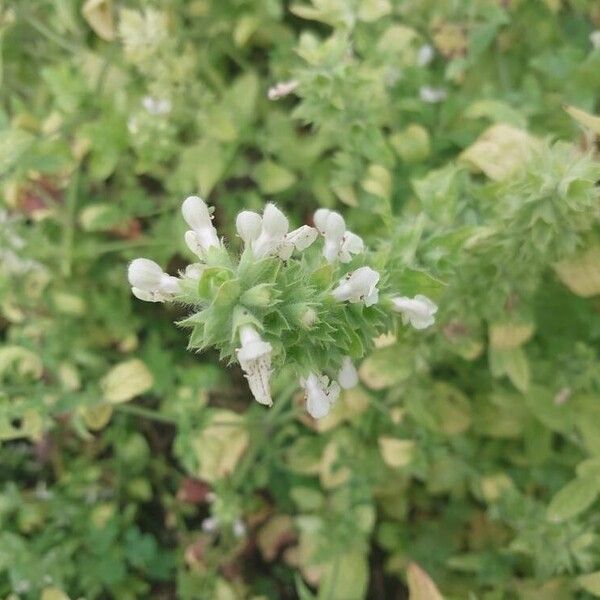
- 🍃 The Foliage: The leaves are heart-shaped or ovate with distinct "scalloped" (crenate) edges. They are covered in a fine layer of soft, downy hairs that give the plant a muted, silvery-green appearance.
- 🌸 Bloom Structure: In mid-to-late summer, it sends up architectural spikes (verticillasters) crowded with tiny, tubular flowers. These are usually a delicate shade of rosy-pink or lavender.
- 🌱 Growth Habit: It grows in a tidy, mounding clump. Unlike some of its mint cousins, it doesn't tend to take over the entire garden, instead remaining a well-behaved perennial "filler."
🏡 In Your Garden
- ☀️ Sun Seeker: Native to the rocky slopes of the Balkans and Greece, this plant craves direct sunlight. If tucked into too much shade, it will lose its compact shape and start "leaning" or stretching toward the light.
- 🏜️ The "Dry Feet" Rule: This species is exceptionally drought-tolerant once established. Its greatest enemy is soggy soil, which can lead to root rot. Ensure you plant it in a gritty or sandy mix where water drains away quickly.
- 🦋 Pollinator Magnet: The hooded flowers are perfectly shaped for bees and butterflies. It is a fantastic choice for a "living landscape" that supports local biodiversity.
⚠️ Safety & Toxicity
- 🟢 Non-Toxic: Stachys menthifolia is generally considered safe and non-toxic for humans, dogs, and cats. It does not possess the invasive "spreading" chemicals or high essential oil concentrations found in true culinary mint.
- 🧤 Tactile Sensitivity: While the leaves are soft, the fine hairs can occasionally trap dust or pollen, which might irritate those with extreme skin sensitivities or hay fever. Wearing gloves while pruning is a simple precaution.
✨ Fun Fact
The genus name Stachys comes from the Greek word for "ear of grain," referring to the way the flowers are stacked vertically on the stem. Historically, its relatives were known as "Woundworts" because their soft, absorbent leaves were used on ancient battlefields as makeshift bandages to stop bleeding!

Detailed Care Instructions







